

Quick answer: Arthrogryposis affects about 1 in 3,000 live births and causes joint stiffness and limited muscle movement from birth. While there’s no cure, physical therapy, surgery, and all-terrain wheelchairs help individuals stay active. Outdoor mobility matters because spending time in nature reduces stress, strengthens resilience, and gives people with arthrogryposis the freedom their families deserve.
Arthrogryposis (Arthrogryposis Multiplex Congenita or AMC) is a rare congenital condition where joints develop with extra connective tissue, limiting movement and causing muscle weakness from birth. It’s uncommon—roughly 1 in 3,000 live births—but individuals living with it face real daily challenges. The good news: with the right treatments, physical therapy, and the right equipment like an all-terrain wheelchair, people with arthrogryposis can live active, independent lives and access outdoor spaces most standard wheelchairs can’t reach.
What Causes Arthrogryposis?
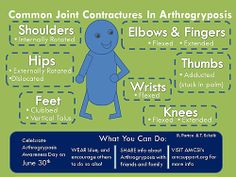
Arthrogryposis occurs when joints develop abnormally during fetal development, resulting in stiffness and limited movement. The exact cause is unknown, but research points to genetic and environmental risk factors:
- Genetic factors — Some cases are inherited or linked to genetic mutations affecting muscle or nerve development.
- Reduced fetal movement — When a developing baby has limited movement in the womb, joints don’t develop properly and become stiff.
- Prenatal conditions — Abnormalities in muscles or the nervous system during pregnancy can prevent normal joint formation.
- Environmental factors — Maternal illness or lack of amniotic fluid during pregnancy may contribute to the condition.
Severity varies widely. Some individuals have stiffness primarily in the hands and feet; others experience full-body joint limitations affecting mobility, strength, and independence.
How Common Is Arthrogryposis?
Arthrogryposis is rare — roughly 1 in 3,000 live births worldwide. However, it presents differently in every person. Some have mild limitations managed with therapy and bracing; others have more severe restrictions affecting walking and self-care. Early intervention during childhood gives the best outcomes.
Treatment Options
There is no cure for arthrogryposis, but treatments address symptoms and improve quality of life based on severity:
- Physical therapy — Strengthens muscles and improves flexibility through gentle, sustained stretching and movement.
- Occupational therapy — Teaches adaptive techniques for eating, dressing, and other daily tasks.
- Surgical interventions — Tendon releases or corrective orthopedic surgeries can improve joint movement and alignment.
- Bracing and orthotics — Supportive devices help maintain joint position and improve function.
- Wheelchairs and mobility aids — For those with significant mobility limitations, wheelchairs provide independence and access to community activities.
Most children with arthrogryposis develop strong adaptive skills and participate fully in school, sports, and social activities with proper support.
Family Impact and Support
Caring for someone with arthrogryposis involves physical, emotional, and financial demands:
- Home modifications — Ramps, accessible bathrooms, wider doorways, and grab bars may be needed.
- Medical costs — Surgery, therapy, orthotics, and adaptive equipment add up quickly.
- Caregiving labor — Parents and family members often provide extensive daily support.
- Advocacy — Pushing for wheelchair-accessible schools, parks, and public spaces remains an ongoing challenge.
Support groups, counseling, and connecting with other families make a real difference. Many parents find that outdoor activities—once made accessible with the right equipment—strengthen family bonds and boost their child’s confidence and sense of possibility.
Wheelchair Mobility and Arthrogryposis
Many individuals with arthrogryposis use wheelchairs for full or partial mobility. Whether someone walks with braces, uses a manual chair, or relies on a powered wheelchair depends on their joint limitations and muscle strength.
The challenge: standard wheelchairs only work on pavement and smooth indoor surfaces. Dirt trails, beaches, gravel, and grass—places most families take for granted—are off-limits with a traditional hospital chair. That’s where all-terrain wheelchairs change everything.
Why Outdoor Access Matters
Time in nature isn’t a luxury—it’s medicine. For people with arthrogryposis, outdoor access brings:
- Mental health boost — Reduced stress, anxiety, and depression; increased mood and sense of agency.
- Physical benefits — Gentle movement, vitamin D from sunlight, improved circulation and joint flexibility.
- Social inclusion — Family outings, friend groups, adaptive sports, and shared experience outside the home.
- Confidence and independence — Exploring on their own terms, not confined to accessible buildings.
Too many people with arthrogryposis stay home because outdoor mobility isn’t possible with standard equipment. An all-terrain wheelchair flips that script.
How an All-Terrain Wheelchair Opens Doors (and Trails)
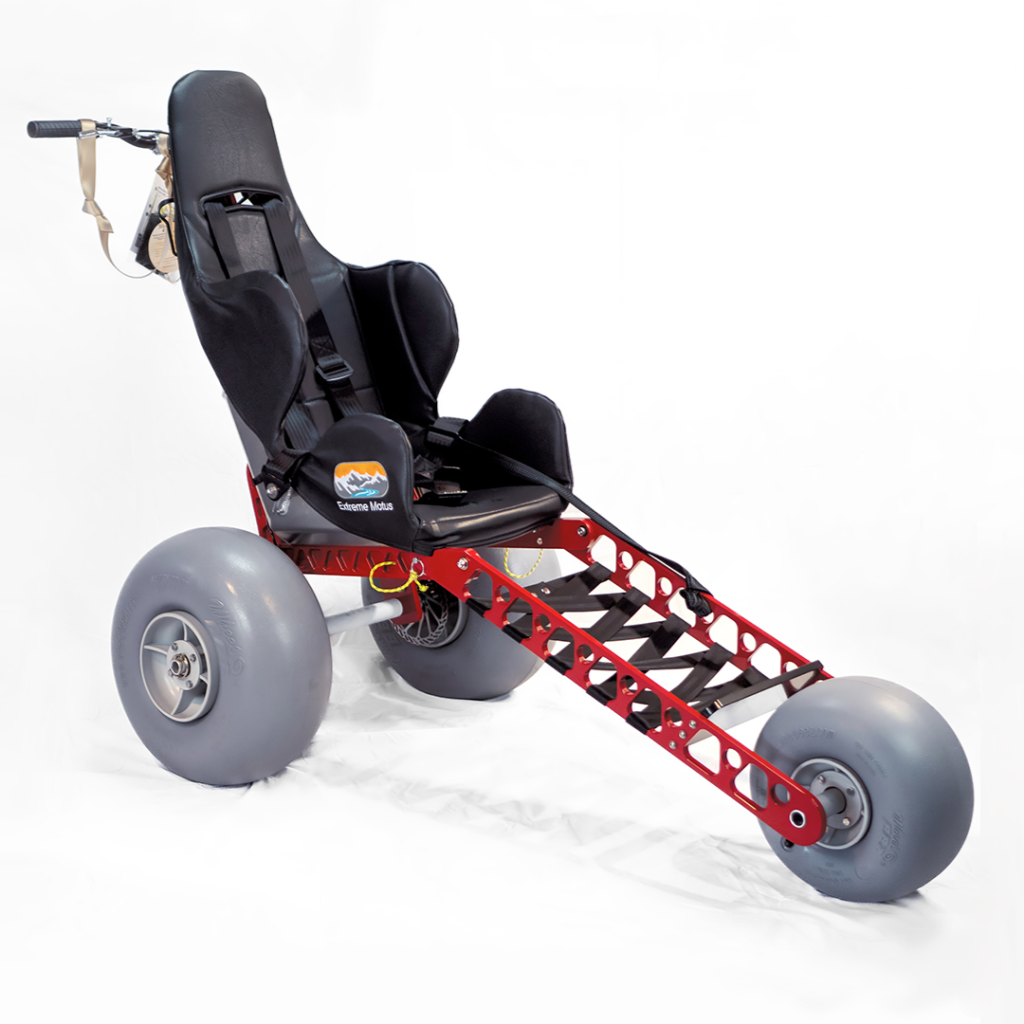
An all-terrain wheelchair like the Extreme Motus all-terrain wheelchair is designed for exactly what standard wheelchairs can’t do: navigate rough terrain, sand, snow, gravel, and water.
Key features for someone with arthrogryposis:
- Balloon tires (low-pressure, wide) — Roll over sand, mud, gravel, and shallow water without sinking.
- Lightweight at 55 lbs — Easy for a caregiver to push, load, and transport. No special equipment needed.
- Shock-absorbing design — Bumps and uneven ground don’t jar the spine or stressed joints.
- Floats in water — Allows beach access, wading, and shallow water exploration.
- Customizable seating — Adjustable headrest, harness, and cushioning match individual support needs and joint limitations.
- Durable and low-maintenance — Built for real outdoor use, not just marketing.
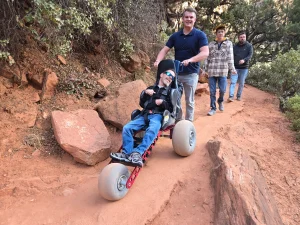
The Extreme Motus gives individuals with arthrogryposis the freedom to visit national parks, hike moderate trails, hit the beach, and experience outdoor life alongside their families—things that would be impossible in a standard wheelchair.
Real-World Impact
We’ve watched children and adults with arthrogryposis experience their first beach day, first hiking trail, first real outdoor freedom in an all-terrain wheelchair. Parents tell us: “We didn’t realize how isolated we’d become until we could finally go places.” That’s the difference between equipment and actual access.
Frequently Asked Questions
What is arthrogryposis?
Arthrogryposis (Arthrogryposis Multiplex Congenita or AMC) is a rare birth defect where joints develop with excess connective tissue, resulting in stiffness and limited movement from birth. Severity ranges from mild joint limitations affecting primarily the hands and feet to full-body stiffness that impacts walking, self-care, and independence. The condition is present at birth but is not progressive.
How common is arthrogryposis?
Arthrogryposis affects about 1 in 3,000 live births worldwide. It occurs in all ethnic groups and affects both males and females equally. Because presentation varies so widely—from mild to severe—many cases are not diagnosed until childhood when movement limitations become apparent.
Do people with arthrogryposis need a wheelchair?
Not always. Severity varies widely. Some individuals walk with braces or crutches and use a wheelchair only for long distances or when fatigued. Others have sufficient lower-body strength for walking but prefer a wheelchair for daily convenience and energy conservation. Those with more severe upper and lower-body involvement use a wheelchair full-time. The right mobility solution depends on individual joint limitations and strength.
What kind of wheelchair is best for someone with arthrogryposis?
For indoor use, a standard wheelchair with good seating support and proper back/neck positioning works fine. For outdoor adventures, an all-terrain wheelchair makes a huge difference. Look for one with balloon tires (to handle sand and gravel), lightweight construction (under 50 lbs for easier transport and caregiver pushing), and customizable seating with good support for the spine and neck to reduce strain on affected joints.
Can insurance pay for an all-terrain wheelchair?
Rarely. Insurance typically classifies all-terrain wheelchairs as “recreational” rather than medically necessary. Better funding options: disability-specific grants (Christopher & Dana Reeve Foundation), disease-specific organizations, state Medicaid waivers (check your state), crowdfunding, manufacturer payment plans, or HSA/FSA with a Letter of Medical Necessity from your doctor.
How does an all-terrain wheelchair help with arthrogryposis?
It removes the biggest barrier to outdoor life. Balloon tires roll over sand, mud, gravel, and grass that would trap a standard wheelchair. The shock-absorbing design prevents jarring that could stress already-limited joints. Families can visit beaches, hike trails, and enjoy parks together—which for someone with arthrogryposis confined to pavement, is life-changing and emotionally powerful.
What is the best age to start therapy for arthrogryposis?
As early as possible. Most specialists recommend starting physical and occupational therapy within the first few weeks or months of life. Early intervention gives the best outcomes because young joints are more responsive to stretching and therapy. Consistent, gentle therapy throughout childhood and adolescence maintains flexibility and function as the child grows.
Conclusion
Living with arthrogryposis presents unique challenges, but spending time outdoors improves mental and physical health in measurable ways. The Extreme Motus all-terrain wheelchair offers an innovative solution to mobility barriers, empowering individuals to explore nature and create lasting memories with family and friends.
Ryan Grassley · ryan@extrememotus.com
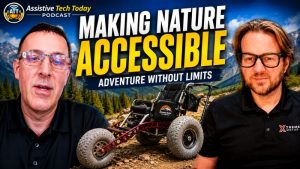
How it all started - Meet Sam & Ryan
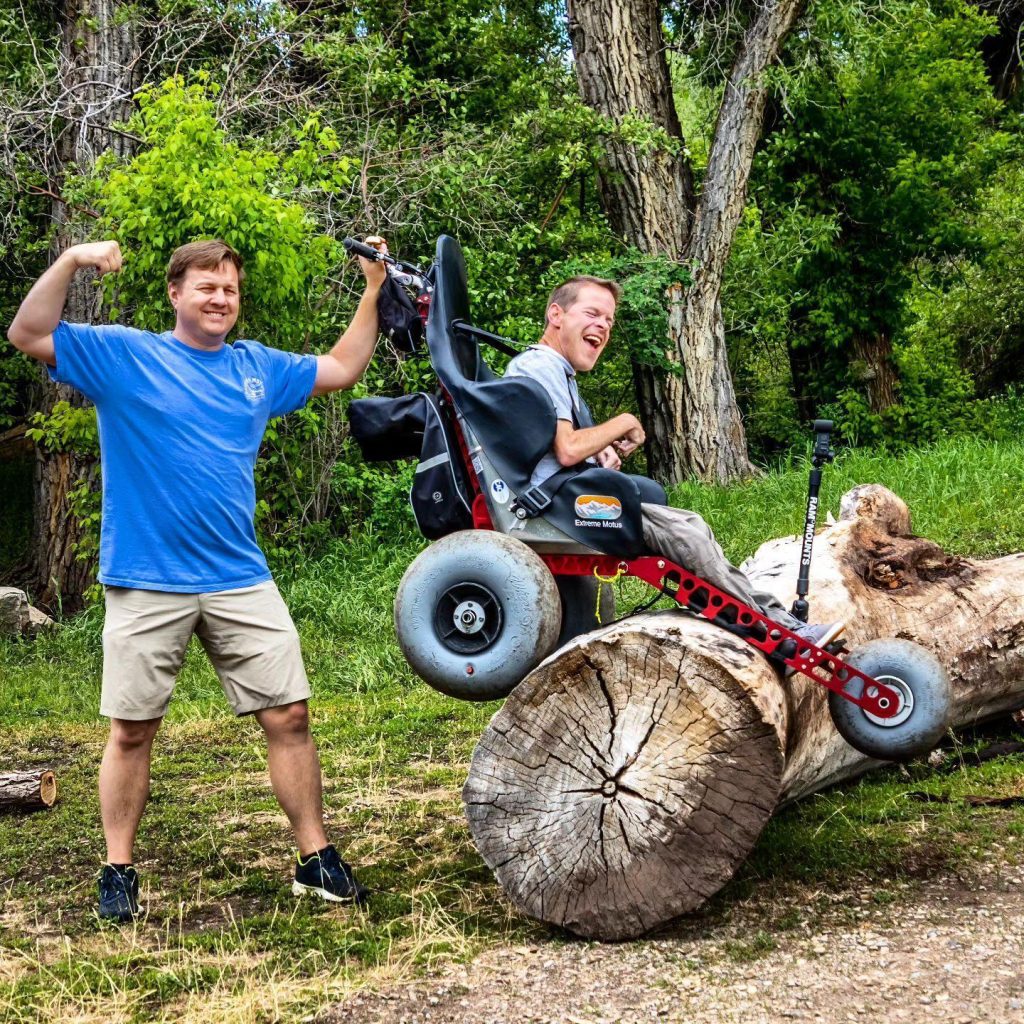
Since 2019, Sam and Ryan have been demonstrating that nature is wheelchair accessible with the Extreme Motus All Terrain Wheelchair. From National Parks to Skateparks, their adventures prove that a manual off-road wheelchair can offer laughter and joy while navigating diverse terrains.
Join us as we continue to share these inspiring journeys.
Discover Freedom with the Extreme Motus All Terrain Wheelchair
Light, comfortable, and compact, the Extreme Motus glides over sand, rocks, grass, gravel, and even floats in water.
It's more than a outdoor wheelchair; it's your ticket to freedom. Embrace the outdoors with confidence, knowing our off-road wheelchair is engineered for durability and ease of use.
Be the first to hear about new gear, upcoming adventures, and exclusive offers. As a welcome gift, you'll get a $100 coupon toward the Motus All-Terrain Wheelchair — delivered straight to your inbox.
By subscribing you agree to receive marketing communications from Extreme Motus, including product updates, promotions, and special offers. I understand I can unsubscribe at any time.