

7 Key Insights About Peripheral Neuropathy Causing Severe Weakness
Quick answer: Peripheral neuropathy affects approximately 20 million Americans, with diabetes accounting for more than half of cases. Symptoms range from numbness and tingling to severe weakness and pain. While no single cure exists, early treatment through medications, physical therapy, and lifestyle modifications can significantly improve outcomes and quality of life.
Peripheral neuropathy is a progressive condition affecting the peripheral nerves—those extending beyond the brain and spinal cord. When severe weakness develops, it can dramatically impact mobility and independence. Understanding the condition, its causes, and management strategies empowers individuals to make informed decisions about treatment and lifestyle adaptation.
1. What is Peripheral Neuropathy?
Peripheral neuropathy results from damage to peripheral nerves, disrupting communication between the central nervous system and muscles, skin, and organs. This damage manifests through:
- Severe muscle weakness
- Numbness or tingling in the hands and feet
- Sharp, stabbing, or burning pain
- Loss of coordination and balance
The condition may affect a single nerve (mononeuropathy), multiple isolated nerves (multiple mononeuropathy), or many nerves simultaneously (polyneuropathy). Most cases present as polyneuropathy.
2. What Causes Peripheral Neuropathy?
Peripheral neuropathy stems from multiple etiologies. The leading causes include:
- Diabetes: The primary cause, accounting for more than half of cases in the diabetic population.
- Infections: Shingles, HIV, Lyme disease, hepatitis B and C.
- Autoimmune Disorders: Lupus, rheumatoid arthritis, Guillain-Barré syndrome.
- Vitamin Deficiencies: Particularly B vitamins (B-1, B-6, B-12) and vitamin E.
- Chemotherapy: Cancer treatment drugs cause peripheral neuropathy as a side effect.
- Toxin Exposure: Heavy metals (lead, mercury) and industrial chemicals.
- Inherited Genetic Conditions: Charcot-Marie-Tooth disease and other hereditary neuropathies.
- Traumatic Injury: Nerve damage from accidents, falls, or surgery.
In some cases, no identifiable cause is found, a situation termed idiopathic peripheral neuropathy.
3. How Common is Peripheral Neuropathy?
Peripheral neuropathy is far more prevalent than commonly recognized. Approximately 20 million people in the United States experience peripheral neuropathy, according to the National Institute of Neurological Disorders and Stroke (NINDS). Risk increases significantly with age, and the condition is often underdiagnosed or initially misdiagnosed due to symptom overlap with other conditions.
4. What Treatments Are Available?
While peripheral neuropathy lacks a single cure, evidence-based treatments effectively manage symptoms and slow progression:
- Medications: Anticonvulsants (gabapentin, pregabalin), antidepressants (duloxetine), topical anesthetics, and pain relievers.
- Physical Therapy: Strengthens muscles, improves balance and coordination, and enhances functional mobility.
- Lifestyle Interventions: Balanced nutrition, regular exercise, smoking cessation, and limiting alcohol.
- Vitamin Supplementation: Addresses deficiencies, particularly B vitamins when indicated.
- Alternative Therapies: Acupuncture, massage, and transcutaneous electrical nerve stimulation (TENS) may reduce pain.
- Surgical Options: Nerve decompression addresses cases where compression contributes to nerve damage.
Early diagnosis and prompt treatment initiation significantly improve long-term outcomes and prevent further nerve damage.
5. Why Outdoor Activity Matters for Individuals with Peripheral Neuropathy
Nature exposure provides therapeutic benefits essential for managing chronic neuropathy:
- Physical Activity: Gentle outdoor exercise improves circulation, strengthens muscles, and may reduce symptom severity.
- Mental Health Benefits: Nature exposure reduces stress, anxiety, and depression—conditions often comorbid with chronic pain.
- Vitamin D Production: Sunlight exposure supports immune function and bone health.
- Social Connection: Outdoor spaces facilitate meaningful interaction, combating isolation.
However, muscle weakness and pain often create barriers to outdoor participation. Adaptive mobility equipment removes these barriers.
6. How All-Terrain Mobility Solutions Enable Outdoor Access
All-terrain wheelchairs are purpose-built to restore outdoor access for individuals with severe weakness:
- Terrain Capability: Navigate trails, grass, sand, gravel, and uneven surfaces unsuitable for standard wheelchairs.
- Reduced Strain: Advanced suspension minimizes physical exertion, conserving energy.
- Stability: Low center of gravity and wide wheelbase prevent tipping on challenging terrain.
- Independence: Users navigate outdoor spaces with minimal caregiver assistance.
- Confidence: Overcome mobility barriers and reclaim activities previously abandoned.
7. Practical Tips for Safe Outdoor Participation with Peripheral Neuropathy
- Select Accessible Routes: Identify wheelchair-friendly parks and trails designed for accessibility.
- Wear Protective Footwear: Use supportive shoes or orthotic devices to minimize discomfort and injury risk.
- Stay Hydrated: Maintain water and electrolyte intake, especially during longer outings.
- Plan Ahead: Check weather, pack medications, sunscreen, and emergency contacts.
- Invest in Appropriate Equipment: An all-terrain wheelchair removes physical barriers to participation.
- Monitor Sensation: Regularly check feet and hands for injury, given reduced sensation.
- Build Gradually: Increase activity duration and difficulty incrementally to avoid symptom flare-ups.
Frequently Asked Questions
Is peripheral neuropathy progressive?
Progression depends on the underlying cause. Untreated diabetic neuropathy typically worsens over time. Early intervention and management of causative conditions can slow or halt progression. Genetic neuropathies like Charcot-Marie-Tooth disease follow variable courses, with some individuals experiencing minimal change and others progressing to significant disability.
Can peripheral neuropathy be reversed?
Full reversal depends on the underlying cause and duration of nerve damage. Neuropathy caused by vitamin deficiency may resolve with supplementation if caught early. Diabetic and inherited neuropathies are typically not reversible, though symptom management and progression slowing are achievable. Early treatment maximizes the potential for nerve recovery.
What foods help manage peripheral neuropathy symptoms?
Anti-inflammatory foods rich in antioxidants support nerve health. These include fatty fish (omega-3s), leafy greens, berries, nuts, legumes, and whole grains. Maintaining stable blood sugar through balanced macronutrition is particularly important for individuals with diabetic neuropathy. Individuals should consult healthcare providers before making significant dietary changes.
How often should individuals with peripheral neuropathy exercise?
The American Academy of Neurology recommends at least 150 minutes of moderate aerobic activity weekly, along with resistance training 2-3 times weekly. However, individuals with severe neuropathy should work with physical therapists to develop safe, personalized programs. Gentle outdoor activity through adaptive mobility tools allows regular, enjoyable movement without excessive strain.
Is a wheelchair necessary for peripheral neuropathy?
Not universally. Mobility aids (canes, walkers, braces) suffice in mild cases. As weakness progresses and balance deteriorates, wheelchairs become necessary for safe mobility. All-terrain wheelchairs specifically enable outdoor participation that standard wheelchairs cannot accommodate, expanding quality of life options.
What should I do if symptoms worsen suddenly?
Rapid symptom progression may indicate an acute underlying condition requiring immediate medical attention. Seek urgent care if experiencing sudden weakness, severe pain, or new symptoms such as difficulty breathing or swallowing. Early diagnosis of complications prevents further nerve damage and hospitalisation risk.
Conclusion
Peripheral neuropathy presenting with severe weakness presents significant challenges, but evidence-based treatment combined with adaptive equipment enables individuals to maintain active, engaged lifestyles. All-terrain mobility solutions remove physical barriers to outdoor participation, delivering documented benefits for physical health and mental wellbeing. Early diagnosis, aggressive management, and appropriate adaptive equipment form the foundation of successful long-term outcomes.
Ryan Grassley · ryan@extrememotus.com

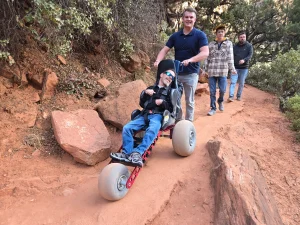

How it all started - Meet Sam & Ryan
Since 2019, Sam and Ryan have been demonstrating that nature is wheelchair accessible with the Extreme Motus All Terrain Wheelchair. From National Parks to Skateparks, their adventures prove that a manual off-road wheelchair can offer laughter and joy while navigating diverse terrains.
Join us as we continue to share these inspiring journeys.
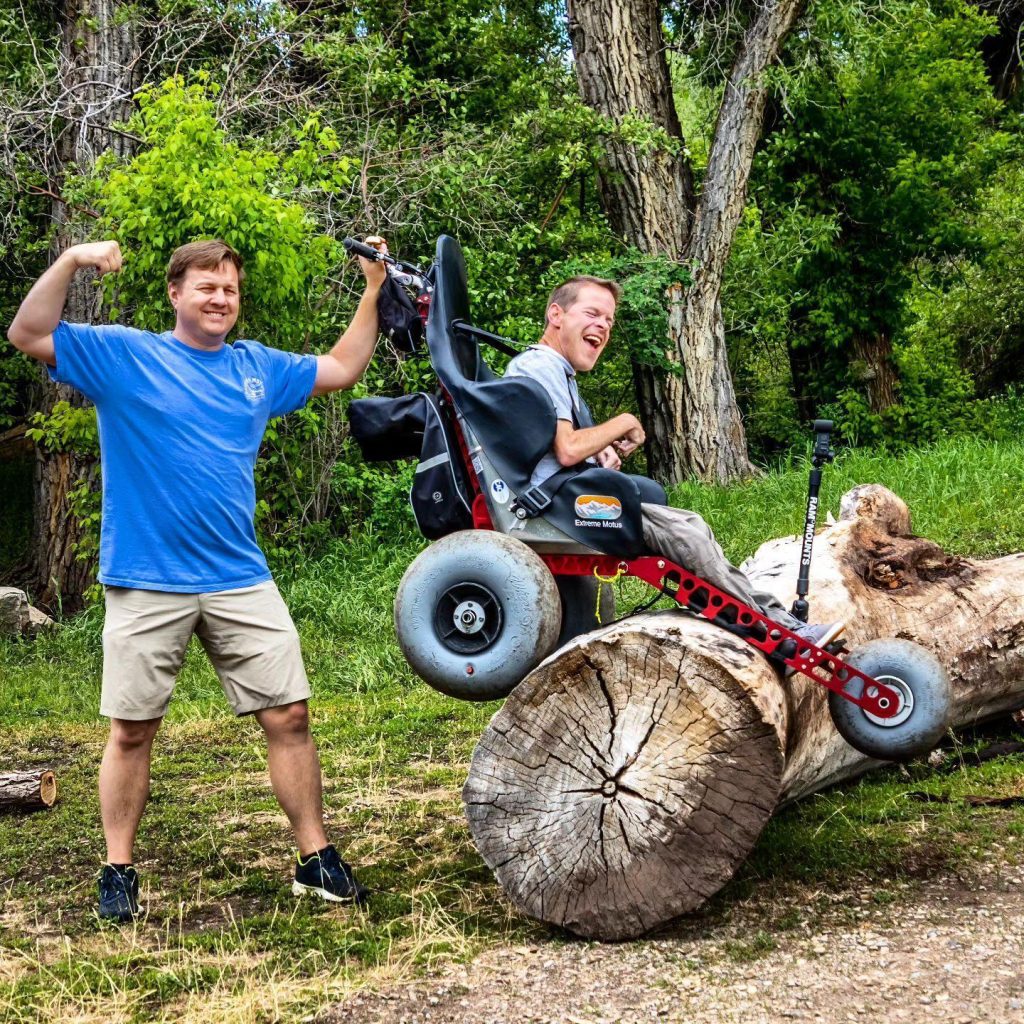
Discover Freedom with the Extreme Motus All Terrain Wheelchair
Light, comfortable, and compact, the Extreme Motus glides over sand, rocks, grass, gravel, and even floats in water.
It's more than a outdoor wheelchair; it's your ticket to freedom. Embrace the outdoors with confidence, knowing our off-road wheelchair is engineered for durability and ease of use.
Be the first to hear about new gear, upcoming adventures, and exclusive offers. As a welcome gift, you'll get a $100 coupon toward the Motus All-Terrain Wheelchair — delivered straight to your inbox.
By subscribing you agree to receive marketing communications from Extreme Motus, including product updates, promotions, and special offers. I understand I can unsubscribe at any time.