

Quick answer: Lyme disease infects roughly 476,000 Americans yearly, but 10-20% develop long-term neurological symptoms including neuropathy, facial paralysis, brain fog, and sometimes paralysis requiring wheelchair mobility. When caught early, antibiotics can prevent progression. Most people improve gradually over 6-12 months with proper treatment. All-terrain wheelchairs help survivors return to outdoor therapy during recovery.
Lyme disease is often dismissed as a minor tick-borne illness, but its effects can be devastating—especially when it infiltrates the nervous system. Those suffering from neurological Lyme disease can experience severe symptoms, including paralysis, cognitive dysfunction, and chronic pain. In the most extreme cases, individuals may require wheelchairs to maintain mobility.
1. The Hidden Cause Behind Lyme Disease
Lyme disease is caused by the bacterium Borrelia burgdorferi, transmitted through the bite of an infected black-legged tick, also known as a deer tick. When left untreated, the bacteria spread throughout the body, attacking the joints, heart, and nervous system. Once the nervous system is involved, the disease can lead to neurological Lyme disease, also called neuroborreliosis, when the bacteria cross the blood-brain barrier, causing inflammation and significant nerve damage. A tick bite often goes unnoticed because ticks secrete an anesthetic that numbs the bite area. If an infected tick remains attached for over 36 hours, the risk of contracting Lyme disease increases significantly.
2. How Many People Are Affected?
Lyme disease is more common than many realize. Each year, approximately 476,000 people in the U.S. are diagnosed with Lyme disease, according to the CDC. While many recover with antibiotics, 10-20% develop long-term symptoms that impact daily life. Neurological symptoms are more likely in cases where Lyme disease is not diagnosed early or if treatment is delayed. Many cases go undiagnosed due to false-negative test results or misdiagnosis, leading to prolonged suffering and increased damage to the nervous system.
3. The Devastating Neurological Impact
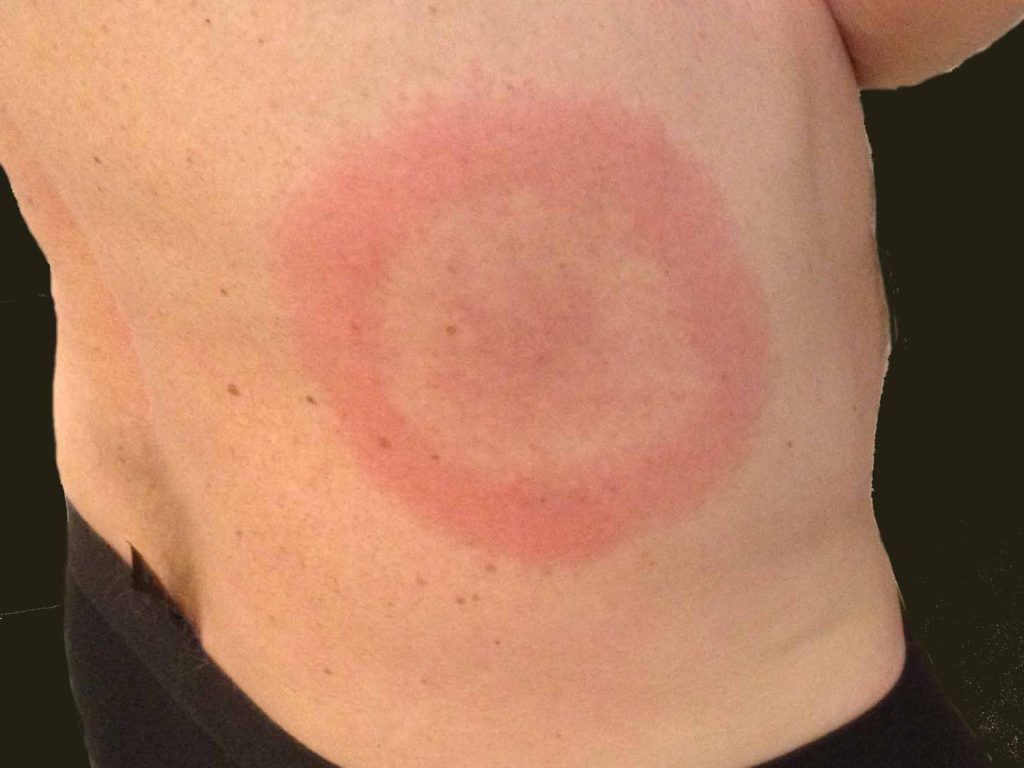
Neurological Lyme disease can mimic conditions such as multiple sclerosis (MS), Parkinson’s disease, and ALS, making diagnosis even more challenging. Some of the most severe neurological symptoms include neuropathy (numbness, tingling, burning sensations in the limbs); Bell’s palsy (partial or complete facial paralysis); cognitive dysfunction (memory loss, difficulty concentrating, confusion); severe fatigue (debilitating exhaustion); seizures and tremors (involuntary muscle movements); and mobility issues with paralysis (loss of walking ability requiring wheelchairs). Because these symptoms overlap with other neurological disorders, many patients undergo years of testing before receiving an accurate diagnosis.
4. Treatments: Is There a Cure?
There is no guaranteed cure for Lyme disease once it reaches the chronic stage. However, treatment can help manage symptoms and improve quality of life. The most common treatments include intravenous (IV) or oral antibiotics as the first line of defense; physical therapy to restore muscle function and improve mobility; cognitive therapy beneficial for memory, focus, and mental clarity; pain management including medications, acupuncture, and alternative therapies; and diet and lifestyle changes with anti-inflammatory diets and immune-boosting regimens. For those with severe neurological damage, long-term rehabilitation and mobility aids may be necessary.
5. The Emotional Toll on Families
Lyme disease doesn’t just affect the patient—it deeply impacts their loved ones. Family members often become caregivers, watching as their loved one battles pain, fatigue, and cognitive struggles. The uncertainty surrounding Lyme disease can lead to emotional strain, feelings of frustration, hopelessness, and anxiety; financial burden from treatment costs, lost income, and medical expenses; and social isolation as many Lyme sufferers and their families withdraw from social activities. Support groups and therapy can help families navigate these challenges together.
6. Why Outdoor Time is Critical for Lyme Patients
Despite the risks associated with tick exposure, spending time outdoors is essential for both physical and mental health. The benefits of outdoor therapy include boosting serotonin levels through fresh air and sunlight to combat depression and anxiety; improving muscle strength through walking or engaging in outdoor activities to help prevent muscle atrophy; enhancing circulation through movement and fresh air to promote better oxygen flow, reducing neurological symptoms; and providing a sense of freedom as many Lyme patients feel trapped by their illness and benefit from a break from isolation. However, mobility issues can make outdoor access difficult—which is where specialized wheelchairs come in.
7. How an All-Terrain Wheelchair Restores Freedom
For individuals with severe neurological Lyme disease, a traditional wheelchair isn’t enough. Uneven terrain, hiking trails, and sandy beaches become inaccessible without the right equipment. The Extreme Motus All-Terrain Wheelchair is designed to help individuals explore the outdoors with ease, with lightweight aluminum frames easier to maneuver and transport; shock-absorbing wheels that handle rough, uneven terrain without discomfort; elevated seating that keeps the user above dirt and mud; and easy push or self-propel options that provide independence for users and caregivers. For those suffering from Lyme-related mobility issues, this wheelchair can allow access to outdoor trails and parks, provide physical therapy through movement, improve mental health by reconnecting with nature, and promote social interaction and adventure.
Frequently Asked Questions
What is neurological Lyme disease?
Neurological Lyme disease (neuroborreliosis) occurs when Borrelia burgdorferi bacteria cross the blood-brain barrier, causing inflammation and nerve damage. Symptoms include facial paralysis, cognitive dysfunction, neuropathy, and sometimes paralysis requiring wheelchair mobility.
How common is Lyme disease in the U.S.?
Approximately 476,000 Americans are diagnosed with Lyme disease yearly. About 10-20% develop long-term neurological symptoms, and many cases go undiagnosed due to false-negative test results or misdiagnosis.
How long does Lyme disease treatment take?
Early-stage Lyme disease typically responds to 10-14 days of antibiotics. Neurological Lyme disease requires 14-28 days of intravenous antibiotics. Chronic symptoms may require long-term rehabilitation and lifestyle modifications.
Can Lyme disease cause permanent disability?
Yes. Untreated or delayed-treatment Lyme disease can cause permanent nerve damage, paralysis, and cognitive dysfunction. Early diagnosis and treatment significantly reduce the risk of long-term disability.
Why do Lyme patients need outdoor access?
Outdoor time boosts mood, improves muscle strength, and provides emotional renewal—all critical for Lyme recovery. All-terrain wheelchairs make outdoor access possible for those with mobility limitations from neurological damage.
What kind of wheelchair is best for Lyme mobility issues?
An all-terrain wheelchair with shock-absorbing tires, lightweight construction, and customizable seating works best. Look for models that handle sand, gravel, trails, and rough terrain—like the Extreme Motus.


How it all started - Meet Sam & Ryan
Since 2019, Sam and Ryan have been demonstrating that nature is wheelchair accessible with the Extreme Motus All Terrain Wheelchair. From National Parks to Skateparks, their adventures prove that a manual off-road wheelchair can offer laughter and joy while navigating diverse terrains.
Join us as we continue to share these inspiring journeys.
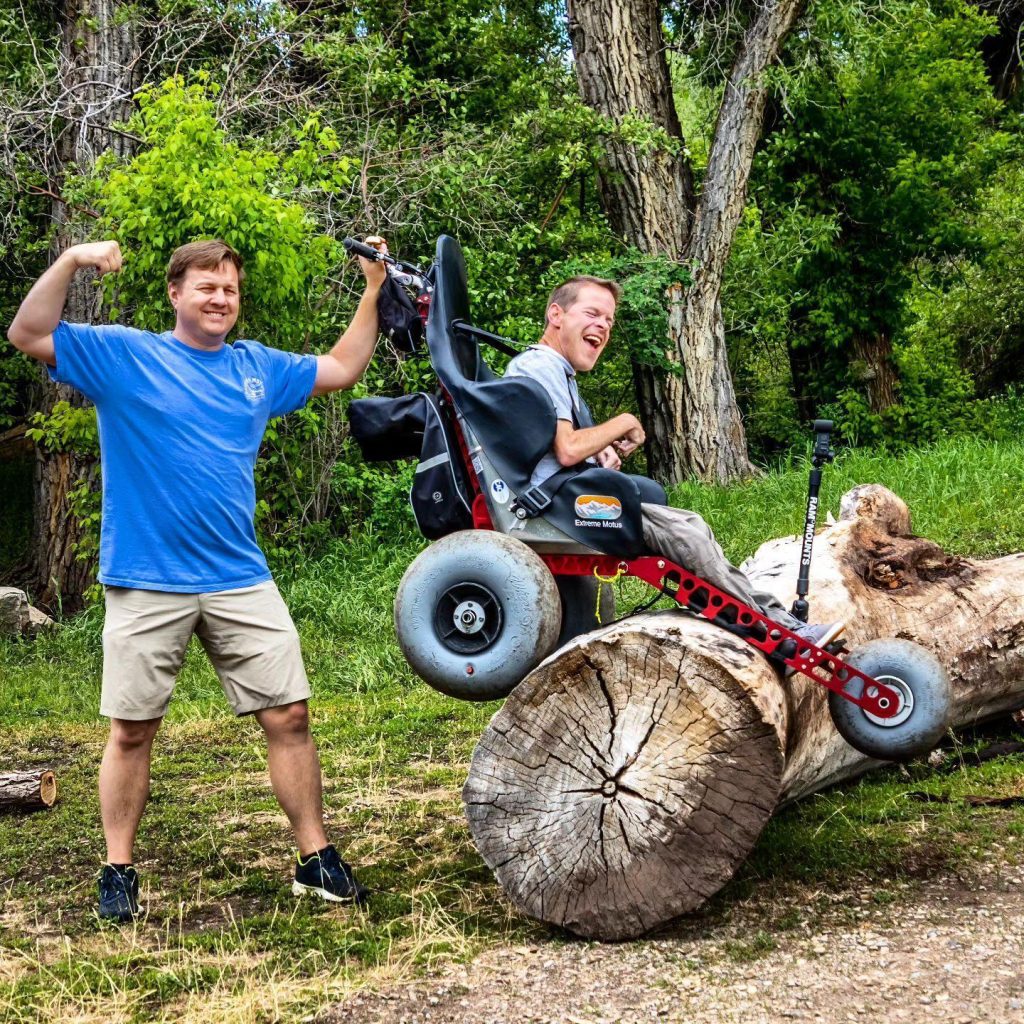
Discover Freedom with the Extreme Motus All Terrain Wheelchair
Light, comfortable, and compact, the Extreme Motus glides over sand, rocks, grass, gravel, and even floats in water.
It's more than a outdoor wheelchair; it's your ticket to freedom. Embrace the outdoors with confidence, knowing our off-road wheelchair is engineered for durability and ease of use.
Be the first to hear about new gear, upcoming adventures, and exclusive offers. As a welcome gift, you'll get a $100 coupon toward the Motus All-Terrain Wheelchair — delivered straight to your inbox.
By subscribing you agree to receive marketing communications from Extreme Motus, including product updates, promotions, and special offers. I understand I can unsubscribe at any time.