

End-Stage Renal Disease (ESRD) is a serious condition in which the kidneys lose nearly all their function. For many people with ESRD, fatigue, muscle weakness, and joint pain can limit mobility. With proper support, including mobility aids and lifestyle adaptations, individuals can maintain independence and quality of life.
Quick answer: End-Stage Renal Disease affects over 810,000 Americans on dialysis or with transplants. Diabetes and hypertension are responsible for about 64% of ESRD cases. While dialysis can extend life for many years, access to support tools like all-terrain wheelchairs helps individuals stay active, reduce fatigue, and maintain social connection despite mobility challenges.
1. Understand the Main Causes of ESRD
End-Stage Renal Disease results from progressive kidney damage, most commonly caused by:
- Diabetes: Approximately 38% of ESRD cases, as high blood sugar damages kidney filters over time.
- Hypertension: Accounts for roughly 26% of cases, as high blood pressure weakens kidney blood vessels.
- Autoimmune Diseases: Conditions like lupus and IgA nephropathy attack the kidneys directly.
- Genetic Conditions: Polycystic kidney disease and other inherited disorders damage kidneys progressively.
Early detection and management of these underlying conditions can slow or prevent ESRD progression.
2. Know the Scale: Over 810,000 Americans Are Affected
According to the 2023 United States Renal Data System (USRDS) report, more than 810,000 Americans are currently living with ESRD, with roughly two-thirds on dialysis and one-third with kidney transplants. ESRD incidence continues to rise, making it a significant public health concern. Early intervention in chronic kidney disease stages can reduce the progression to ESRD.
3. Recognize How ESRD Affects Mobility
ESRD often leads to mobility impairments due to:
- Anemia: Low red blood cell count causes severe fatigue, making even short walks exhausting.
- Muscle Wasting: Loss of muscle mass and strength develops over time with kidney dysfunction.
- Bone and Joint Pain: Mineral imbalances and inflammation cause joint pain and weakness.
- Dialysis Fatigue: Treatment sessions can leave patients drained for hours or days afterward.
Mobility aids become essential tools for maintaining independence and participating in life.
4. Manage Treatment Options Effectively
While there is no cure for ESRD, treatments can extend life and improve quality of life:
- Dialysis: Either hemodialysis (in-center or at-home) or peritoneal dialysis filters waste and excess fluid from blood. Dialysis can sustain life for 10-20+ years depending on overall health.
- Kidney Transplantation: A functioning transplanted kidney offers superior long-term outcomes, with 5-year survival rates significantly higher than dialysis.
- Symptom Management: Medications manage anemia, bone health, blood pressure, and other complications.
- Dietary Management: Strict diet control of sodium, potassium, and phosphorus supports kidney health and reduces fluid buildup.
5. Understand the Impact on Family and Caregivers
ESRD affects not just the individual but the entire family system:
- Caregiving Burden: Family members assist with medical appointments, dialysis transport, dietary planning, and daily care tasks.
- Financial Strain: Dialysis costs roughly $92,000 per year per patient, creating significant household financial pressure even with Medicare coverage.
- Emotional Toll: Anxiety, depression, and caregiver burnout are common among families managing ESRD.
- Lifestyle Changes: Family routines shift around dialysis schedules, dietary restrictions, and medical appointments.
Support groups and counseling services can help families navigate these challenges.
6. Prioritize Outdoor Activity for Mental and Physical Health
Spending time outdoors is especially important for people with ESRD:
- Mental Health Boost: Nature reduces stress, anxiety, and depression—common in chronic kidney disease—and fosters emotional resilience.
- Vitamin D Production: Sunlight exposure supports bone health and immune function, crucial for ESRD patients at risk for bone disease.
- Social Connection: Family outings and community activities reduce feelings of isolation and strengthen relationships.
- Gentle Physical Activity: Outdoor exploration encourages light movement without overexertion, supporting cardiovascular health.
7. Embrace Mobility Solutions for Independence and Adventure
The Extreme Motus All-Terrain Wheelchair empowers individuals with ESRD to overcome mobility barriers and reclaim outdoor access:
- Energy Conservation: Reduces physical exertion, allowing longer outings without exhaustion—critical for managing dialysis-related fatigue.
- Comfort and Support: Shock-absorbing suspension and ergonomic seating minimize pain and discomfort during outdoor activities.
- Terrain Versatility: Handles trails, sand, gravel, and uneven paths, making parks, beaches, and natural spaces fully accessible.
- Independence: Users navigate outdoor spaces safely with minimal assistance, building confidence and self-reliance.
- Family Participation: Enables shared outdoor experiences, strengthening bonds and fostering inclusion.
Frequently Asked Questions
How Long Do People Live with ESRD?
Life expectancy on dialysis varies widely but averages 5-10 years, with many patients living 10-20+ years or longer. Kidney transplant recipients typically live longer, with median graft survival of 15-20+ years. Overall lifespan depends on age at diagnosis, comorbidities, and quality of care.
Can ESRD Be Prevented?
ESRD cannot always be prevented, but progression of chronic kidney disease can be slowed or halted. Managing diabetes and hypertension, maintaining a kidney-healthy diet, staying active, avoiding excess alcohol, and regular kidney function monitoring are key prevention strategies.
What Dietary Restrictions Apply to ESRD Patients?
ESRD patients typically need to restrict sodium, potassium, phosphorus, and fluids. Since dialysis removes only some of these substances, careful diet management is essential to prevent electrolyte imbalances and fluid overload. Working with a renal dietitian is critical for managing these restrictions effectively.
How Can I Improve Quality of Life with ESRD?
Beyond medical treatment, quality of life improves through: staying active within capability, maintaining social connections, participating in outdoor activities, managing stress through counseling or support groups, adhering to dietary and medication regimens, and using mobility aids to overcome physical barriers.
Are There Resources and Support Available?
Yes. The National Kidney Foundation, American Kidney Fund, and patient advocacy organizations provide education, financial assistance, and support groups. Medicare and most insurance plans cover dialysis and transplant costs. Social workers at dialysis centers can connect patients with community resources and counseling services.
Conclusion
Living with End-Stage Renal Disease requires ongoing medical management, lifestyle adaptation, and emotional resilience. While the condition is serious, modern dialysis and transplantation have extended lifespans significantly. With proper support, including mobility solutions like all-terrain wheelchairs, individuals with ESRD can maintain independence, enjoy outdoor experiences, and live fulfilling lives despite their medical challenges.
Ryan Grassley · ryan@extrememotus.com
How it all started - Meet Sam & Ryan
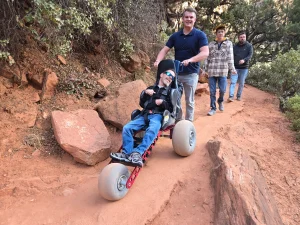
Since 2019, Sam and Ryan have been demonstrating that nature is wheelchair accessible with the Extreme Motus All Terrain Wheelchair. From National Parks to Skateparks, their adventures prove that a manual off-road wheelchair can offer laughter and joy while navigating diverse terrains.
Join us as we continue to share these inspiring journeys.
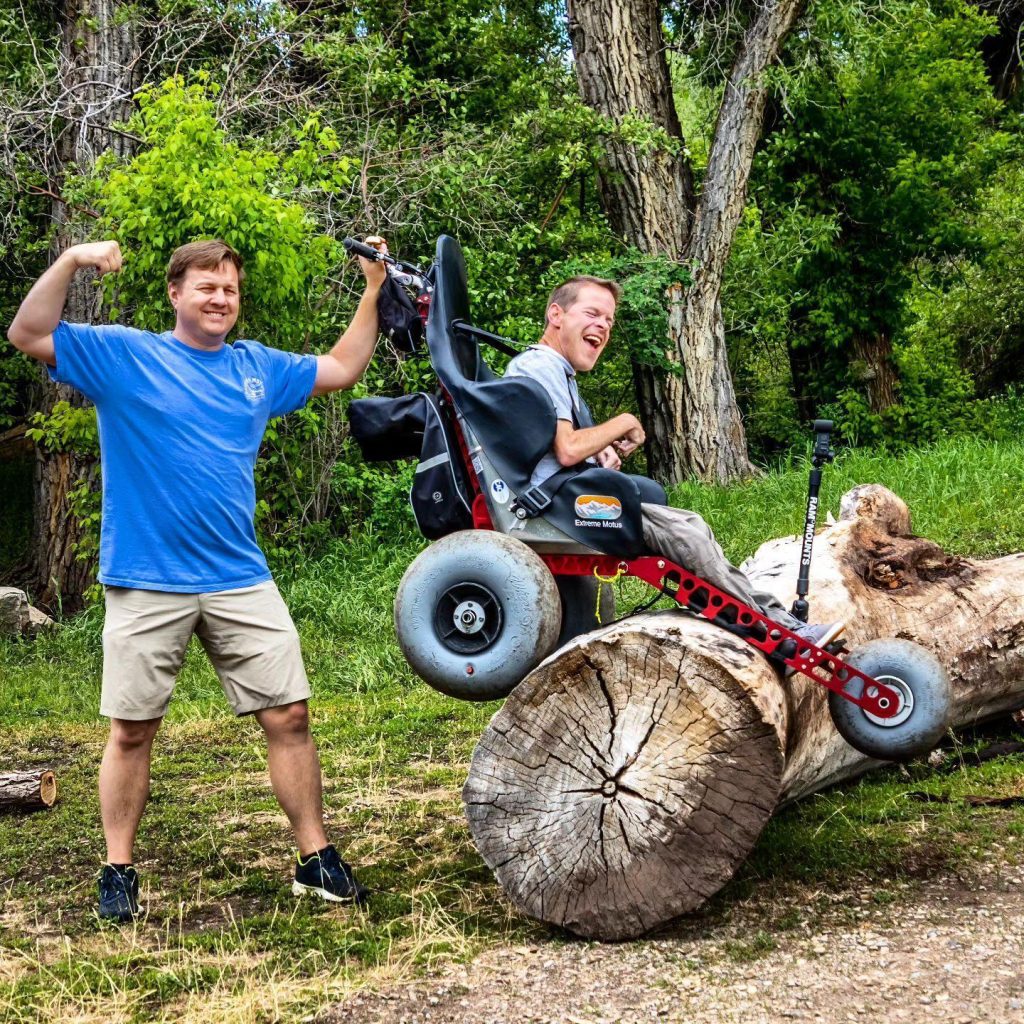
Discover Freedom with the Extreme Motus All Terrain Wheelchair
Light, comfortable, and compact, the Extreme Motus glides over sand, rocks, grass, gravel, and even floats in water.
It's more than a outdoor wheelchair; it's your ticket to freedom. Embrace the outdoors with confidence, knowing our off-road wheelchair is engineered for durability and ease of use.
Be the first to hear about new gear, upcoming adventures, and exclusive offers. As a welcome gift, you'll get a $100 coupon toward the Motus All-Terrain Wheelchair — delivered straight to your inbox.
By subscribing you agree to receive marketing communications from Extreme Motus, including product updates, promotions, and special offers. I understand I can unsubscribe at any time.