

Quick answer: Systemic lupus erythematosus (SLE) affects approximately 1.5 million Americans, with a peak onset between ages 15 and 44. Though there is no cure, modern treatments including hydroxychloroquine, immunosuppressants, and biologic therapies help manage symptoms and enable individuals—even those using mobility aids like all-terrain wheelchairs—to thrive outdoors.
What is Lupus?
Systemic lupus erythematosus (SLE), commonly called lupus, is a chronic autoimmune disease in which the body’s immune system mistakenly attacks healthy tissues, causing widespread inflammation across multiple organs and systems. Living with lupus presents unique challenges, but advances in treatment, supportive therapies, and tools like the Extreme Motus All-Terrain Wheelchair enable individuals to reclaim their quality of life and outdoor experiences.
1. What Causes Lupus?
The exact cause of lupus remains unclear, but research indicates a combination of genetic and environmental factors trigger the autoimmune response. Risk factors include:
- Genetic Predisposition: Family history of autoimmune diseases increases susceptibility.
- Environmental Triggers: Ultraviolet (UV) sunlight exposure, infections, and high stress can precipitate flares.
- Hormonal Factors: Estrogen-related changes explain the higher prevalence in women and peak onset during reproductive years.
2. How Many People Does Lupus Affect?
Lupus is more prevalent than many realize. Approximately 1.5 million Americans have been diagnosed with lupus, with at least 5 million cases worldwide. The disease predominantly affects women—approximately 90% of people living with lupus are women—with peak onset occurring between ages 15 and 44. Notably, lupus disproportionately affects women of color, with African American, Hispanic/Latina, and Native American women experiencing two to three times higher prevalence than white women.
3. What Are the Main Types of Lupus?
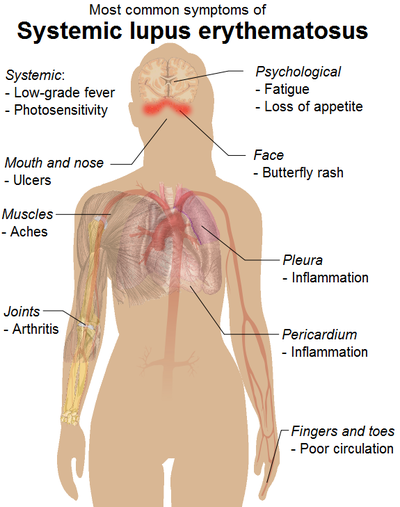
Lupus encompasses several types, with systemic lupus erythematosus (SLE) accounting for approximately 70% of all lupus cases. SLE is the most severe form, potentially affecting multiple organ systems including the kidneys, heart, lungs, brain, and joints. Other types include discoid (cutaneous) lupus, drug-induced lupus, and neonatal lupus. Each type presents with distinct symptom patterns and severity levels.
4. What Are Current Treatment Options?
While lupus has no cure, modern medical interventions have transformed disease management. First-line treatments include:
- Hydroxychloroquine: A foundational antimalarial medication prescribed for most lupus patients, reducing autoantibodies and disease flares over months.
- Corticosteroids and Nonsteroidal Anti-inflammatory Drugs (NSAIDs): Manage inflammation and acute flare symptoms.
- Immunosuppressants: Reserved for severe organ involvement, these medications suppress aberrant immune responses affecting the kidneys, brain, or heart.
- Biologic Therapies: Newer agents such as belimumab and anifrolumab target specific immune pathways, offering options for treatment-resistant disease.
Alongside pharmacological treatment, physical therapy, stress management, and lifestyle modifications significantly improve outcomes.
5. How Does Lupus Impact Families?
Beyond the individual, lupus creates ripple effects within families:
- Emotional and Psychological Burden: Loved ones grapple with anxiety about unpredictable disease flares and long-term prognosis.
- Caregiving Responsibilities: Family members provide support during medical appointments, manage medications, and assist during periods of reduced mobility.
- Financial Pressures: Ongoing medical costs, specialty treatments, and potential lost work hours strain household budgets.
Shared outdoor activities and moments of normalcy help strengthen family bonds and provide emotional respite.
6. When Does Lupus Require Mobility Support?
Lupus severity varies widely. Moderate to severe disease presentations—particularly those affecting joints, muscles, or causing profound fatigue—can necessitate mobility aids. Individuals experiencing persistent joint pain, muscle weakness, or organ-related fatigue may benefit from assistive devices to maintain independence and quality of life during daily activities and outdoor exploration.
7. Why Is Outdoor Time Therapeutically Important for Lupus Management?
Nature offers measurable psychological and physiological benefits for individuals managing chronic autoimmune diseases:
- Mental Health Benefits: Natural environments reduce cortisol levels, decrease anxiety and depression, and foster psychological resilience during illness.
- Physical Health Support: Gentle outdoor activity improves circulation, strengthens bone density, and supports cardiovascular function.
- Sense of Agency: Participating in outdoor experiences despite lupus reinforces personal autonomy and emotional well-being.
These benefits extend to caregivers as well, creating shared moments that strengthen family relationships.
8. How All-Terrain Mobility Solutions Enable Outdoor Access
For individuals with lupus whose joint pain, fatigue, or weakness limits walking, all-terrain wheelchairs represent a transformative solution:
- Terrain Versatility: Navigates dirt trails, gravel paths, sand, and grassy fields—environments inaccessible to standard wheelchairs.
- Energy Conservation: Eliminates the physical toll of walking, allowing users with lupus-related fatigue to participate longer in activities.
- Shock Absorption: Suspension systems minimize vibration and joint stress, critical for individuals with lupus arthritis.
- Social Participation: Empowers individuals to join family outings, community events, and group activities without physical compromise.
The Extreme Motus All-Terrain Wheelchair for Lupus
The Extreme Motus All-Terrain Wheelchair is purpose-built for individuals with lupus seeking to maintain independence and engagement with outdoor environments. Its design addresses the specific mobility challenges posed by lupus-related fatigue, joint dysfunction, and variable disease activity.
Key Features for Lupus Management
1. Fatigue Mitigation Through Powered and Manual Options
- Eliminates the energy expenditure required for extended walking or standing.
- Allows individuals to navigate longer distances and more challenging terrain than lupus-related fatigue would otherwise permit.
2. Joint Protection Through Ergonomic Design
- Shock-absorbing suspension minimizes impact on inflamed joints.
- Ergonomic seating provides proper spinal and pelvic alignment, reducing strain during extended use.
3. All-Terrain Capability
- Engineered to traverse sand, gravel, dirt trails, and grass—expanding access to parks, beaches, and natural spaces.
- Durable construction withstands frequent outdoor use and variable terrain.
4. Psychological and Social Benefits
- Restores agency and independence despite lupus limitations.
- Enables shared outdoor experiences that strengthen family bonds and combat isolation.
Frequently Asked Questions About Lupus and Outdoor Activity
Q: Can people with lupus safely spend time outdoors?
A: Yes, with precautions. Ultraviolet (UV) sunlight is a known lupus trigger for many individuals. Protective measures such as high-SPF sunscreen, protective clothing, and timing outdoor activity during lower-UV hours (before 10 a.m. or after 4 p.m.) allow safe outdoor engagement.
Q: Is it safe to use a wheelchair if lupus affects only some joints?
A: Absolutely. Mobility aids are not an admission of total disability—they conserve energy and reduce flare risk by minimizing joint stress. Many individuals use them selectively during high-activity outings or periods of disease activity, then reduce use during remission.
Q: How does exercise fit into lupus management?
A: Gentle, low-impact activity supports cardiovascular health, bone density, and mental well-being. An all-terrain wheelchair allows participation in outdoor activities without the joint trauma of prolonged walking, striking a therapeutic balance.
Q: Does lupus run in families?
A: Genetic factors increase susceptibility. If a family member has lupus, relatives have a higher risk of developing the condition, though environmental triggers are also required for disease manifestation.
Q: What is the long-term prognosis for lupus?
A: Prognosis has improved dramatically with modern treatments. Many individuals with lupus live full lifespans with good quality of life, particularly when managed with consistent medication adherence and disease monitoring. Outcomes vary based on disease severity and organ involvement.
Conclusion
Lupus remains a serious chronic condition, but advances in immunological treatment and mobility technology have fundamentally changed what individuals can accomplish. With appropriate medical management, protective strategies, and supportive tools, people living with lupus can thrive outdoors, participate fully in family life, and maintain meaningful independence.
Ryan Grassley · ryan@extrememotus.com
Sources: Lupus Foundation of America, CDC, NIH/NIAMS, Mayo Clinic, Cleveland Clinic
How it all started - Meet Sam & Ryan
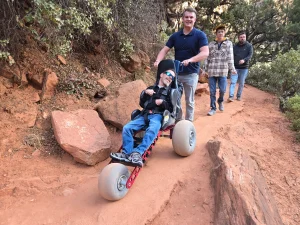
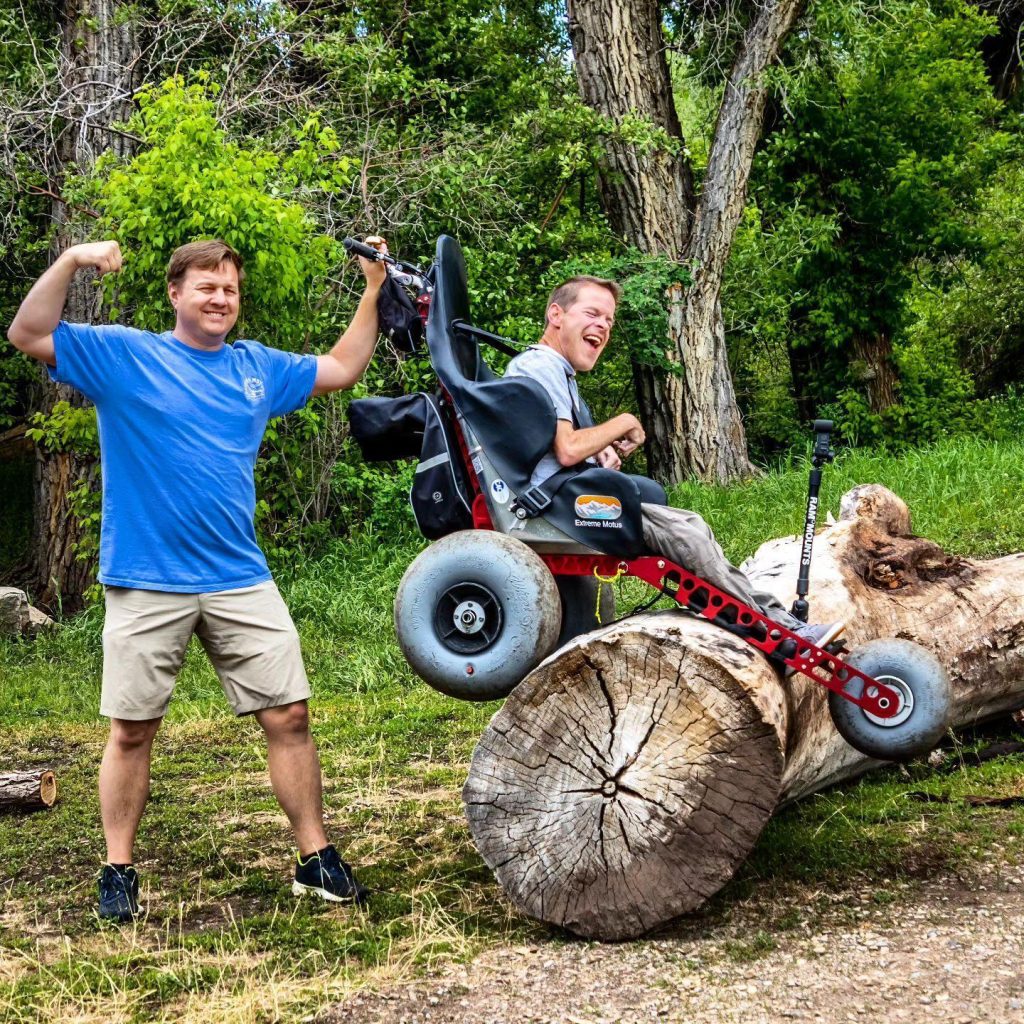
Since 2019, Sam and Ryan have been demonstrating that nature is wheelchair accessible with the Extreme Motus All Terrain Wheelchair. From National Parks to Skateparks, their adventures prove that a manual off-road wheelchair can offer laughter and joy while navigating diverse terrains.
Join us as we continue to share these inspiring journeys.
Discover Freedom with the Extreme Motus All Terrain Wheelchair
Light, comfortable, and compact, the Extreme Motus glides over sand, rocks, grass, gravel, and even floats in water.
It's more than a outdoor wheelchair; it's your ticket to freedom. Embrace the outdoors with confidence, knowing our off-road wheelchair is engineered for durability and ease of use.
Be the first to hear about new gear, upcoming adventures, and exclusive offers. As a welcome gift, you'll get a $100 coupon toward the Motus All-Terrain Wheelchair — delivered straight to your inbox.
By subscribing you agree to receive marketing communications from Extreme Motus, including product updates, promotions, and special offers. I understand I can unsubscribe at any time.