

Pulmonary Hypertension (PH) is a rare but serious condition affecting the blood vessels in the lungs, leading to restricted mobility and reduced quality of life. With proper management and the right assistive tools, individuals with PH can safely access nature and maintain an active, fulfilling lifestyle.
Quick answer: Pulmonary Hypertension affects 5-15 people per million annually, with pulmonary arterial hypertension (PAH) showing a 3:1 female predominance. Modern treatments include phosphodiesterase-5 inhibitors, endothelin receptor antagonists, and prostacyclins. With medical management and outdoor activity, individuals can improve mental health, maintain circulation, and preserve quality of life.
1. Understanding the Causes of Pulmonary Hypertension
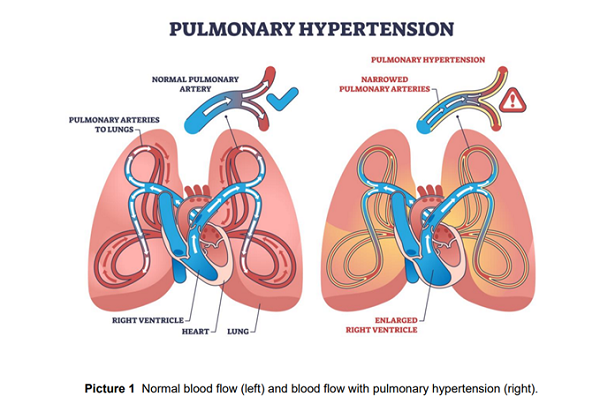
Pulmonary Hypertension develops when arteries in the lungs narrow, thicken, or become blocked, forcing the heart to work harder to pump blood. Common causes include:
- Congenital Heart Disease: Heart defects present from birth can lead to PH over time.
- Lung Diseases: Conditions like COPD, pulmonary fibrosis, and chronic sleep apnea reduce oxygen and increase pressure in lung vessels.
- Autoimmune Diseases: Scleroderma, systemic lupus erythematosus (SLE), and rheumatoid arthritis increase risk.
- Genetic Factors: Mutations in genes like BMPR2 create familial risk for pulmonary arterial hypertension (PAH).
- Left Heart Disease: Heart failure or valve problems can elevate pulmonary pressures.
2. How Many People Are Affected by Pulmonary Hypertension?
Pulmonary Hypertension is a rare condition, affecting approximately 5-15 people per million annually, though exact prevalence varies by type. Pulmonary Arterial Hypertension (PAH), the most studied form, shows a marked female predominance of approximately 3:1, meaning women are three times more likely to develop PAH than men. The condition can occur at any age but is more common in adults over 30. Early diagnosis and treatment significantly improve outcomes.
3. What Modern Treatments Are Available?
While there is no cure for PH, advances in targeted therapies have dramatically improved quality of life. Treatments fall into several categories:
- Phosphodiesterase-5 Inhibitors: Medications like sildenafil relax blood vessel smooth muscle and improve exercise capacity.
- Endothelin Receptor Antagonists: Block the action of endothelin, a substance that narrows blood vessels.
- Prostacyclins: Expand blood vessels and reduce clotting, improving pulmonary hemodynamics.
- Oxygen Therapy: Supplemental oxygen maintains oxygen saturation during rest and activity.
- Anticoagulation: Blood thinners reduce clot risk in certain PH types.
- Surgical Interventions: In advanced cases, atrial septostomy or lung transplantation may be necessary.
4. How Does Pulmonary Hypertension Impact Families?
A chronic PH diagnosis affects the entire family system:
- Emotional Burden: Family members face worry, uncertainty, and the stress of supporting someone managing a serious condition.
- Caregiving Demands: Appointments, medication management, and activity monitoring create ongoing responsibilities.
- Lifestyle Restrictions: Families must adapt routines, limit strenuous activities, and plan around medical needs.
- Financial Pressure: Medications, assistive devices, and ongoing medical care represent substantial costs.
Shared outdoor experiences and accessible activities help families maintain connection and hope.
5. When Does Pulmonary Hypertension Require Wheelchair Support?
In advanced stages of PH, severe dyspnea (breathlessness), fatigue, and right ventricular dysfunction can limit walking capacity. A wheelchair becomes essential for maintaining mobility and quality of life when:
- Walking more than short distances causes significant breathlessness or chest discomfort.
- Energy levels are insufficient for daily activities without assistance.
- Heart function is severely compromised (NYHA Class III-IV).
- Individuals wish to participate in community or family activities beyond walking range.
6. Why Is Outdoor Time Critical for Pulmonary Hypertension Management?
Outdoor activity, when medically appropriate, provides both tangible and psychological benefits:
- Improved Mental Health: Nature reduces cortisol levels, alleviates depression and anxiety, and promotes emotional resilience.
- Better Oxygen Saturation: Fresh air and gentle movement can improve respiratory function and oxygen levels.
- Sense of Freedom: Connecting with nature fosters independence and counteracts feelings of confinement from illness.
- Social Connection: Group outdoor activities reduce isolation and strengthen family bonds.
- Cognitive Benefits: Natural settings promote mindfulness and mental clarity.
7. How Can an All-Terrain Wheelchair Enable Outdoor Access for PH Patients?
The Extreme Motus all-terrain wheelchair is specifically engineered to support individuals with PH-related mobility limitations:
- Terrain Versatility: Handles uneven surfaces (trails, sand, gravel, grass) that standard wheelchairs cannot navigate.
- Energy Conservation: Eliminates walking effort, allowing users to preserve limited cardiopulmonary reserve for breathing.
- Shock Absorption: Smooth suspension minimizes physical strain and discomfort during outdoor exploration.
- Postural Support: Ergonomic seating aids breathing by optimizing lung expansion and reducing physical stress on the heart.
- Family Integration: Enables participation in group outings, reducing social isolation and strengthening relationships.
- Independence and Dignity: Users explore at their own pace without relying on caregivers for mobility assistance.
Extreme Motus: Freedom for Those Living with Pulmonary Hypertension
The Extreme Motus All-Terrain Wheelchair is engineered to support individuals with PH, providing safe access to nature while conserving vital energy. Beyond physical benefits, it restores independence, enables social participation, and supports mental health—all critical components of comprehensive PH management.
Conclusion: Reconnect with Nature While Managing PH
Living with Pulmonary Hypertension presents real challenges to mobility and quality of life, yet with advances in treatment and supportive devices, individuals can maintain meaningful outdoor engagement. The combination of medical management, appropriate assistive devices, and access to nature creates a comprehensive approach to living fully with PH. An all-terrain wheelchair is not merely a mobility aid—it is a gateway to independence, connection, and emotional resilience.
Ryan Grassley · ryan@extrememotus.com
Frequently Asked Questions
Is Pulmonary Hypertension the same as regular high blood pressure?
No. Pulmonary Hypertension refers specifically to high blood pressure in the arteries of the lungs, not systemic blood pressure. It requires different management approaches and can be much more serious if untreated.
Can PH be cured?
There is no cure, but modern targeted therapies can dramatically slow progression and improve quality of life. Some forms of PH (like those secondary to other conditions) may improve if the underlying cause is treated.
What is the life expectancy for someone with PH?
Prognosis depends on PH type, severity at diagnosis, and treatment response. Advances in therapy have extended survival significantly—early detection and aggressive management are critical.
Is it safe to exercise with PH?
Light, supervised activity is often beneficial, but intense exertion should be avoided without medical clearance. An all-terrain wheelchair enables safe, energy-appropriate outdoor engagement.
Why do women develop PAH more often than men?
The biological reasons for the 3:1 female predominance in PAH are not fully understood but involve genetic, hormonal, and immunological factors. Research continues to clarify these mechanisms.
What support resources are available for PH patients?
Organizations like the Pulmonary Hypertension Association (phassociation.org), support groups, patient registries, and specialized PH centers provide medical expertise, emotional support, and community connection.
How it all started - Meet Sam & Ryan
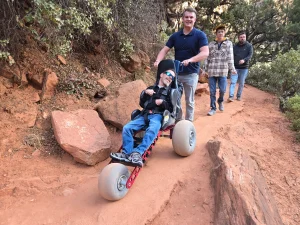
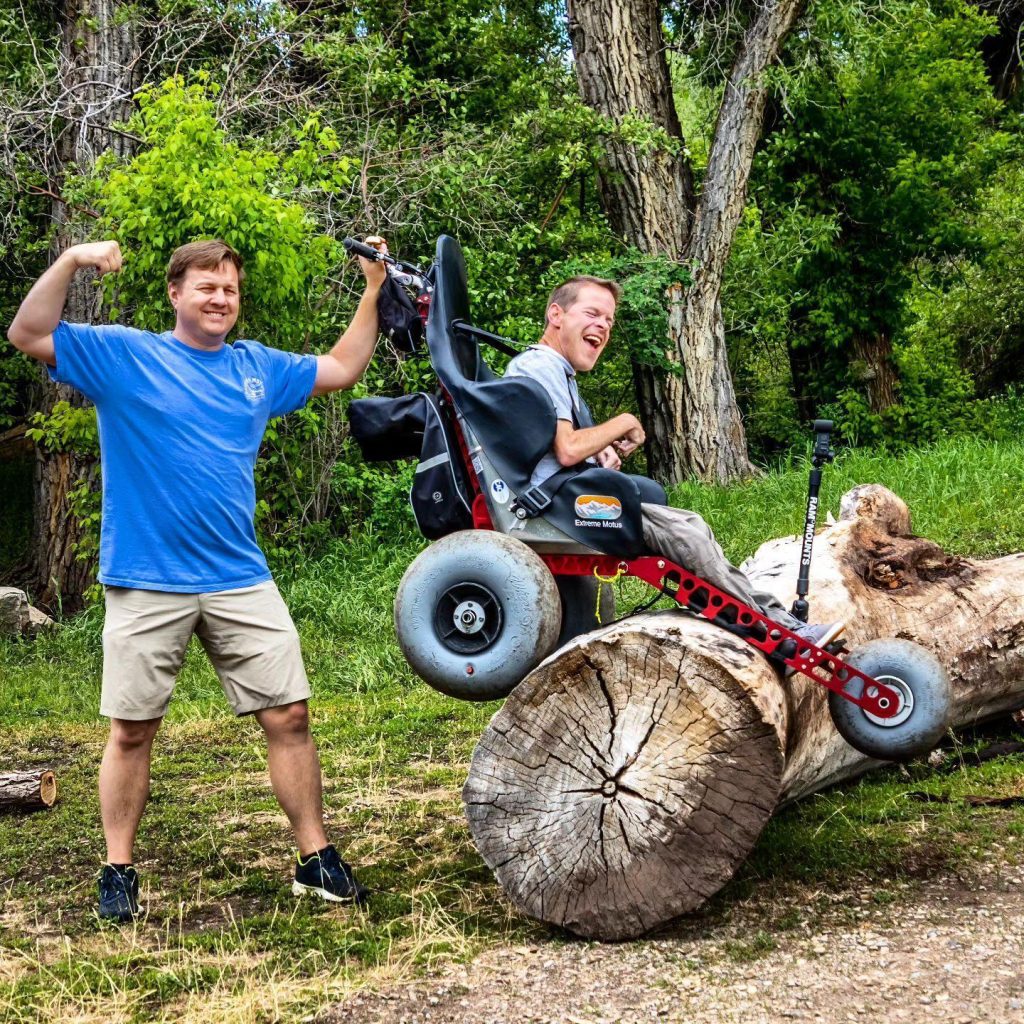
Since 2019, Sam and Ryan have been demonstrating that nature is wheelchair accessible with the Extreme Motus All Terrain Wheelchair. From National Parks to Skateparks, their adventures prove that a manual off-road wheelchair can offer laughter and joy while navigating diverse terrains.
Join us as we continue to share these inspiring journeys.
Discover Freedom with the Extreme Motus All Terrain Wheelchair
Light, comfortable, and compact, the Extreme Motus glides over sand, rocks, grass, gravel, and even floats in water.
It's more than a outdoor wheelchair; it's your ticket to freedom. Embrace the outdoors with confidence, knowing our off-road wheelchair is engineered for durability and ease of use.
Be the first to hear about new gear, upcoming adventures, and exclusive offers. As a welcome gift, you'll get a $100 coupon toward the Motus All-Terrain Wheelchair — delivered straight to your inbox.
By subscribing you agree to receive marketing communications from Extreme Motus, including product updates, promotions, and special offers. I understand I can unsubscribe at any time.