

Quick answer: Developmental Dysplasia of the Hip (DDH), formerly called congenital hip dysplasia, affects approximately 1 in 1,000 infants with frank dislocation and up to 10 in 1,000 with broader dysplasia. Girls are affected 80% more often than boys. Early detection via newborn screening enables conservative treatment; untreated cases may progress to arthritis in adulthood.
Developmental Dysplasia of the Hip (DDH), also known as congenital hip dysplasia, is a condition in which the hip joint fails to develop properly during gestation or infancy. Understanding its causes, age-appropriate treatments, and long-term management is essential for optimizing outcomes and quality of life.
1. What Causes Developmental Dysplasia of the Hip?
DDH develops when the hip joint fails to align properly during fetal development. Multifactorial causes include:
- Genetic Predisposition: Family history of DDH substantially increases risk (up to 10-fold in some populations).
- Breech Presentation: Babies positioned feet-first in utero have elevated risk due to altered hip mechanics.
- Intrauterine Space Constraints: Low amniotic fluid volume, firstborn status, or uterine malformations restrict fetal hip movement during critical ossification phases.
- Hormonal Influences: Maternal hormones (especially relaxin) can increase fetal hip ligament laxity.
2. How Many People Are Affected?
DDH prevalence varies by population and diagnostic criteria. Approximately 1 in 1,000 infants present with frank hip dislocation; however, broader definitions including instability and dysplasia affect up to 10 in 1,000 newborns. Girls account for roughly 80% of cases. Importantly, many adults (3–5% of the general population) have undiagnosed childhood DDH that manifests as pain and osteoarthritis in the 20s through 40s.
3. What Are the Age-Appropriate Treatments?
Treatment is tailored to age at diagnosis and severity of dysplasia:
- Infants (Birth–6 months): The Pavlik harness is first-line therapy, maintaining the hip in flexion and abduction to promote normal acetabular development. Success rates exceed 90% with early use.
- Older Infants and Toddlers (6–18 months): Abduction bracing or closed reduction under anesthesia may be required if the Pavlik harness is ineffective.
- Surgical Intervention (Age 18 months+): Osteotomy (pelvic or femoral bone realignment) or open reduction becomes necessary for late diagnoses or failed conservative treatment.
- Physical Therapy: Strengthens hip stabilizers and supports functional recovery across all age groups.
- Adult Management: Conservative care (anti-inflammatory medications, exercise, weight management) slows progression. Hip replacement may be necessary in symptomatic adults with secondary osteoarthritis.
4. How Does DDH Affect Families?
The impact extends beyond the child to the entire family unit:
- Emotional Burden: Parents navigate anxiety about surgical outcomes, developmental delays, and long-term prognosis.
- Caregiving and Logistics: Families manage multiple specialist appointments, therapies, and potential hospitalizations during infancy and childhood.
- Financial Impact: Early intervention and surgery generate substantial costs, even with insurance coverage.
- Lifestyle Accommodation: Harness-wearing affects bathing, sleep routines, and mobility for young children.
5. When Does DDH Require Wheelchair Use?
In most cases of childhood DDH detected early, wheelchair use is not necessary. However, in adults with undiagnosed or severe childhood DDH who develop significant arthritis, mobility aids become important:
- Advanced Osteoarthritis: Chronic pain and joint deterioration may restrict walking distance and load-bearing capacity.
- Post-Surgical Recovery: Wheelchair use aids mobility during rehabilitation after osteotomy or hip replacement.
- Energy Conservation: Long-distance outdoor activities may require a wheelchair to prevent pain exacerbation and fatigue.
6. Why Is Outdoor Engagement Important?
Outdoor activity provides significant benefits across childhood and adulthood:
- Physical Development: Nature exposure and light activity promote bone density, muscle development, and proprioceptive function.
- Vitamin D Synthesis: Sunlight exposure supports bone metabolism and immune function, particularly critical during skeletal maturation.
- Psychological Well-Being: Nature reduces stress and anxiety, fostering emotional resilience in children facing medical challenges.
- Social Integration: Outdoor play and activities enable peer interaction and reduce isolation during treatment phases.
7. How Can an All-Terrain Wheelchair Support Mobility?
For adults with DDH-related arthritis or mobility limitations, all-terrain wheelchair technology enables outdoor participation previously constrained by pain or functional limitations:
- Terrain Versatility: Navigates trails, sand, gravel, and grass—opening access to parks and natural spaces beyond paved environments.
- Joint Protection: Shock-absorbing suspension and ergonomic seating minimize impact and strain on arthritic hips.
- Independence: Users explore outdoor environments with reduced dependence on caregivers or pain management constraints.
- Social Participation: Enables family outings, community events, and recreational activities that enhance quality of life.
Frequently Asked Questions
When is DDH typically diagnosed?
Newborn screening via clinical examination and ultrasound (before 6 weeks) detects most cases. Late diagnosis, unfortunately common in some regions, may occur when children present with limp or pain in toddlerhood or adulthood.
What is the success rate of early treatment?
With the Pavlik harness started before 6 months, success rates exceed 90%. Success declines with age; surgical intervention becomes more likely after 18 months.
Can untreated DDH be diagnosed in adulthood?
Yes. Adults often present with groin pain, limp, or imaging findings of early arthritis and acetabular dysplasia. Lifestyle modifications and, in some cases, hip-preserving or replacement surgery are options.
Does DDH affect both hips?
DDH can be unilateral or bilateral. Bilateral disease occurs in approximately 20% of cases and may have different treatment timelines for each hip.
What is the long-term prognosis for children treated early?
Children diagnosed and treated before 6 months typically achieve normal hip anatomy and pain-free function into adulthood. The risk of arthritis is substantially lower than in untreated cases.
How does childhood DDH differ from adult-onset hip dysplasia?
Childhood DDH is a structural maldevelopment during gestation/infancy. Adult-onset dysplasia typically refers to residual dysplasia from undiagnosed childhood DDH manifesting as symptomatic osteoarthritis. They share similar imaging findings but differ in timing and treatment urgency.
Conclusion
Developmental Dysplasia of the Hip is a treatable condition when detected early. Newborn screening, timely intervention with conservative methods, and surgical management when needed offer excellent outcomes for children. Adults with residual dysplasia benefit from activity modification and, when necessary, mobility aids that enable continued participation in outdoor and social activities. Early diagnosis remains the most powerful prognostic factor—emphasizing the importance of universal newborn DDH screening.
Ryan Grassley · ryan@extrememotus.com

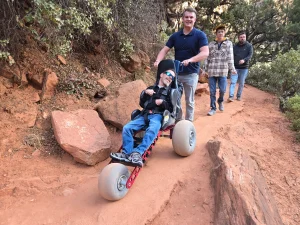
How it all started - Meet Sam & Ryan
Since 2019, Sam and Ryan have been demonstrating that nature is wheelchair accessible with the Extreme Motus All Terrain Wheelchair. From National Parks to Skateparks, their adventures prove that a manual off-road wheelchair can offer laughter and joy while navigating diverse terrains.
Join us as we continue to share these inspiring journeys.
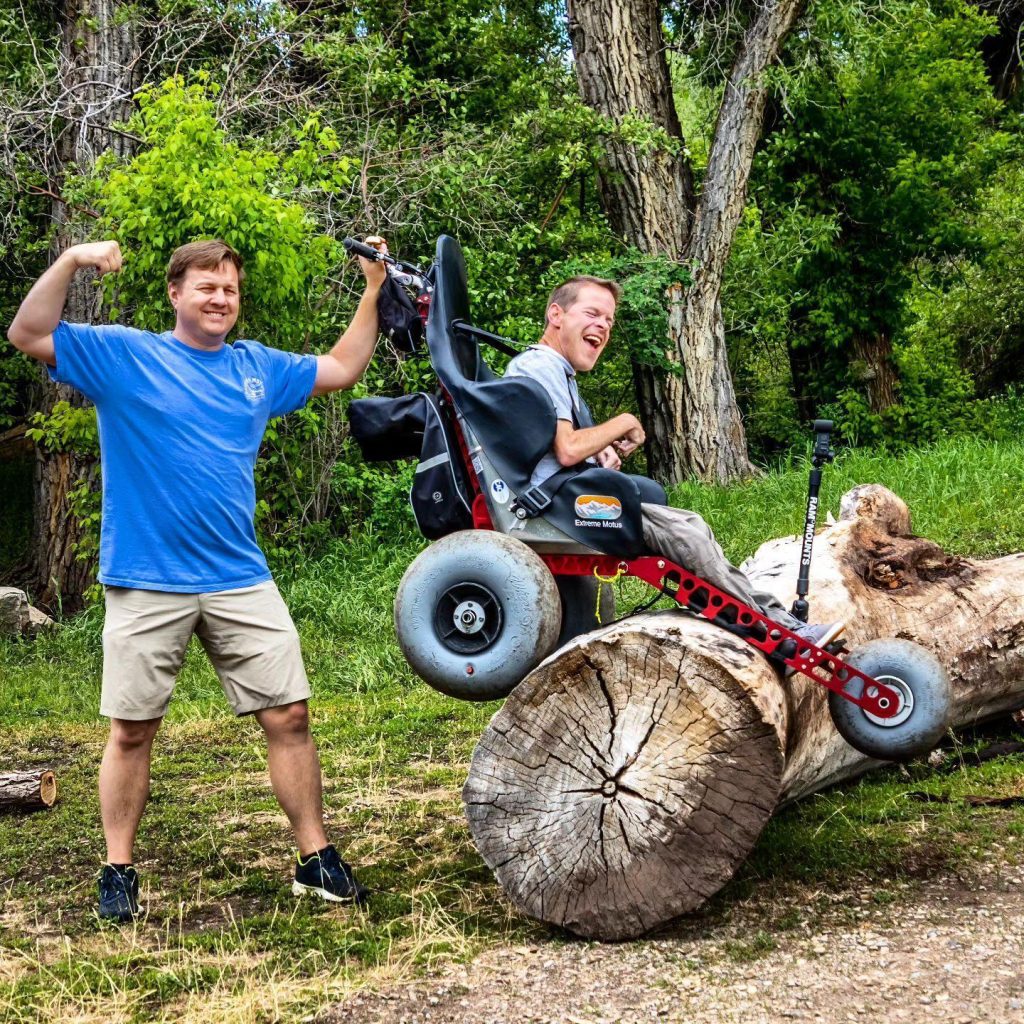
Discover Freedom with the Extreme Motus All Terrain Wheelchair
Light, comfortable, and compact, the Extreme Motus glides over sand, rocks, grass, gravel, and even floats in water.
It's more than a outdoor wheelchair; it's your ticket to freedom. Embrace the outdoors with confidence, knowing our off-road wheelchair is engineered for durability and ease of use.
Be the first to hear about new gear, upcoming adventures, and exclusive offers. As a welcome gift, you'll get a $100 coupon toward the Motus All-Terrain Wheelchair — delivered straight to your inbox.
By subscribing you agree to receive marketing communications from Extreme Motus, including product updates, promotions, and special offers. I understand I can unsubscribe at any time.