

ALS, or Amyotrophic Lateral Sclerosis, is a progressive neurodegenerative disease that affects motor neurons controlling voluntary muscle movement. Understanding the condition, treatment landscape, and quality-of-life strategies—including outdoor access—helps patients and families plan ahead.
Quick answer: ALS affects about 30,000 people in the United States, with roughly 5,000 new diagnoses annually. The disease progresses from muscle weakness to paralysis, with median survival of 2–5 years after symptom onset, though 20% of patients survive 5 or more years. No cure exists yet, but medications, therapies, and adaptive equipment like all-terrain wheelchairs help maintain quality of life and outdoor mobility.

Find your grant in 90 seconds
Answer 5–7 quick questions and we’ll narrow 50+ adaptive-equipment grants down to the ones you’re most likely to win.
Free. No email required. Plus a 30-min strategy call with Kenny if you want help applying.
Take the Grant Match Quiz →1. What Causes ALS?
The exact cause of Amyotrophic Lateral Sclerosis remains unknown, but researchers have identified multiple contributing factors:
- Genetics: Approximately 5–10% of ALS cases are familial (inherited), following autosomal dominant inheritance with a 50% transmission risk to offspring. The remaining 90–95% are sporadic cases without known family history.
- Age and Gender: ALS typically develops between ages 40–70, with peak incidence at 55–75 years. Men are affected at slightly higher rates than women.
- Environmental Factors: Exposure to certain toxins, heavy metals, or pesticides may increase risk, though no single agent has been conclusively proven.
- Neuroinflammation and Cellular Dysfunction: Chronic inflammation, mitochondrial dysfunction, and protein aggregation in motor neurons contribute to progressive nerve cell death.
2. How Many People Are Affected by ALS?
ALS affects an estimated 30,000 people in the United States at any given time, with approximately 5,000 new cases diagnosed annually. Globally, ALS affects about 1 in 50,000 people. While it can occur at any age, onset is most common in adults over 50.
3. What Are the Current FDA-Approved Treatments?
While there is no cure for ALS, FDA-approved medications and therapies help slow disease progression and manage symptoms:
- Riluzole (Rilutek): An FDA-approved medication that may extend median survival by 2–3 months by slowing motor neuron degeneration.
- Edaravone (Radicava): Reduces oxidative stress in nerve cells and may slow functional decline in early-stage ALS.
- Physical Therapy: Maintains muscle strength, flexibility, and range of motion; slows functional decline.
- Occupational Therapy: Adapts daily tasks and living spaces to support independence as mobility declines.
- Speech and Swallowing Therapy: Manages communication and eating challenges as muscles weaken.
- Respiratory Support: Non-invasive ventilation (BiPAP) and mechanical ventilators assist with breathing as the disease progresses.
4. Is There a Cure for ALS?
Currently, there is no cure for Amyotrophic Lateral Sclerosis. However, ongoing clinical trials are investigating gene therapy, stem cell therapy, antisense oligonucleotide treatments, and neuroprotective medications. Early intervention and symptom management significantly improve quality of life and extend survival.
5. How Does ALS Progress?
ALS progression varies among individuals. Most people survive 2–5 years after symptom onset, though approximately 20% of patients live 5 or more years, and 10% survive a decade or longer. Younger age at onset and limb-onset (versus bulbar-onset) disease are associated with longer survival.
- Early Stage: Muscle weakness in one limb or area; speech or swallowing difficulties emerge gradually.
- Middle Stage: Weakness spreads to other muscles; increased dependence on aids (crutches, walkers, wheelchairs).
- Advanced Stage: Paralysis of voluntary muscles; respiratory support becomes necessary; communication may require augmentative devices.
6. Why Is Outdoor Access Important for People with ALS?
For individuals with ALS, outdoor engagement provides measurable mental and physical health benefits:
- Mental Health: Time in nature reduces anxiety, depression, and emotional distress—critical for maintaining psychological resilience.
- Social Connection: Outdoor activities facilitate family outings and community participation, reducing isolation.
- Mood Enhancement: Sunlight exposure boosts serotonin production, improving overall well-being.
- Sensory Stimulation: Natural environments provide rich sensory input that supports cognitive and emotional engagement.
7. How Does ALS Affect Family Members?
ALS has profound impacts on families serving as caregivers:
- Emotional Burden: Witnessing progressive decline creates grief, anxiety, and emotional exhaustion.
- Physical Caregiving Demands: Lifting, transferring, and 24-hour monitoring place physical strain on family members.
- Financial Strain: Medical care, equipment, home modifications, and lost income accumulate rapidly.
- Social Disruption: Family routines shift; outdoor and recreational activities often become inaccessible with standard equipment.
Support groups, respite care, and shared outdoor experiences help families build resilience and maintain connection during the disease course.
8. How Can an All-Terrain Wheelchair Help?
For individuals with ALS, mobility challenges often isolate people indoors. An all-terrain wheelchair removes barriers to outdoor life by:
- Navigating Any Terrain: Designed to handle dirt paths, gravel, sand, grass, and water—surfaces standard wheelchairs cannot access.
- Providing Stability and Comfort: Shock-absorbing suspension and ergonomic seating reduce discomfort during rough terrain.
- Reducing Caregiver Strain: Enables users to explore independently or with minimal assistance.
- Facilitating Family Activities: Allows participation in parks, nature trails, picnics, and community events.
- Supporting Independence and Pride: Users reclaim control, confidence, and access to activities they value.
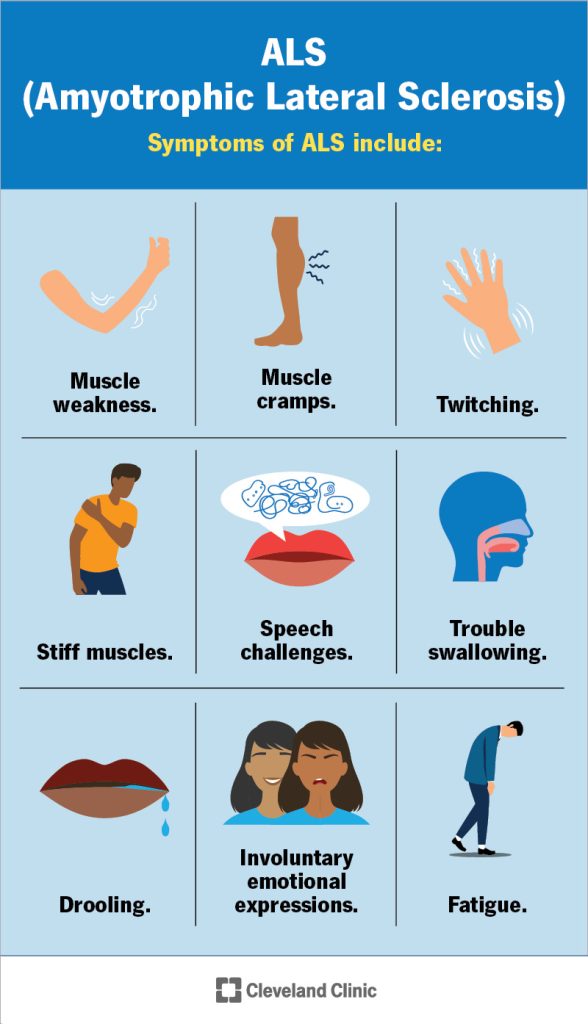
Frequently Asked Questions
What is the difference between familial and sporadic ALS?
Familial ALS (fALS) accounts for 5–10% of cases and is inherited with a 50% chance of transmission from an affected parent. Sporadic ALS (sALS) represents 90–95% of cases and occurs without known family history or genetic inheritance. Both types follow the same disease course and are treated similarly.
Can ALS run in families?
Yes. Familial ALS runs in families due to inherited genetic mutations in genes such as C9orf72, SOD1, FUS, and others. If a parent has familial ALS, each child has a 50% chance of inheriting the mutation. Genetic counseling and testing are recommended for families with ALS history.
How does exercise affect ALS progression?
Appropriate, moderate exercise (supervised physical therapy) helps maintain muscle strength, flexibility, and cardiovascular fitness early in disease course. However, overexertion can accelerate decline; the key is balanced, guided activity adjusted as the disease progresses. Speech and occupational therapy also support function.
Is there genetic testing for ALS?
Yes. Genetic testing can identify mutations in familial ALS cases (60–70% yield in families with clear inheritance). Testing is recommended for individuals with family history of ALS and is useful for family planning. Consult a genetic counselor or neurologist experienced in ALS genetics.
What is the typical lifespan after an ALS diagnosis?
Median survival is 2–5 years after symptom onset. However, 20% of patients survive 5 or more years, 10% live 10 years or longer, and 5% may reach 20 years or beyond. Age at onset (earlier onset = longer survival), site of onset (limb vs. bulbar), and overall health significantly influence individual prognosis.
How can all-terrain wheelchairs improve quality of life?
Standard wheelchairs are limited to pavement and indoor surfaces. All-terrain wheelchairs enable access to parks, trails, beaches, and nature—places people with ALS are often unable to reach. This removes a major barrier to outdoor activity, social connection, and emotional well-being during a progressive disease.
Conclusion
ALS is a serious progressive disease, but advances in treatment, symptom management, and adaptive equipment help individuals maintain independence and quality of life. Supporting outdoor access and social connection—through all-terrain wheelchairs and accessible experiences—enables patients and families to build meaning during the disease course.
Ryan Grassley · ryan@extrememotus.com
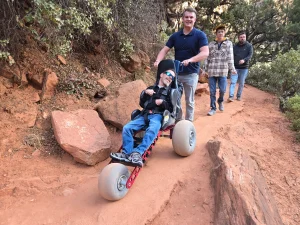
How it all started - Meet Sam & Ryan
Since 2019, Sam and Ryan have been demonstrating that nature is wheelchair accessible with the Extreme Motus All Terrain Wheelchair. From National Parks to Skateparks, their adventures prove that a manual off-road wheelchair can offer laughter and joy while navigating diverse terrains.
Join us as we continue to share these inspiring journeys.
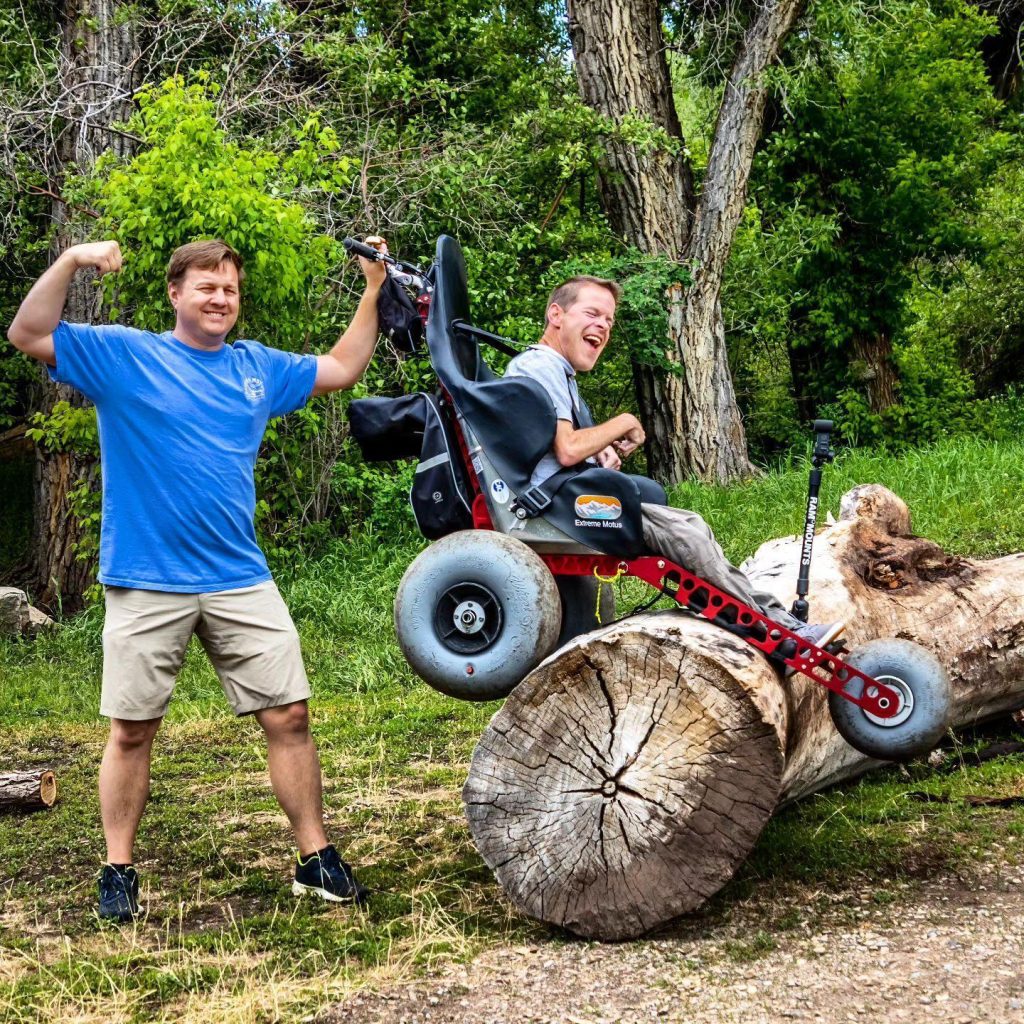
Discover Freedom with the Extreme Motus All Terrain Wheelchair
Light, comfortable, and compact, the Extreme Motus glides over sand, rocks, grass, gravel, and even floats in water.
It's more than a outdoor wheelchair; it's your ticket to freedom. Embrace the outdoors with confidence, knowing our off-road wheelchair is engineered for durability and ease of use.
Be the first to hear about new gear, upcoming adventures, and exclusive offers. As a welcome gift, you'll get a $100 coupon toward the Motus All-Terrain Wheelchair — delivered straight to your inbox.
By subscribing you agree to receive marketing communications from Extreme Motus, including product updates, promotions, and special offers. I understand I can unsubscribe at any time.