
Quick answer: Polymyositis is a rare autoimmune myopathy affecting approximately 1–2 per 100,000 people annually, with peak onset between ages 30 and 60. Treatment centers on corticosteroids and immunosuppressants to reduce inflammation and restore muscle function.
Polymyositis is a rare autoimmune inflammatory disease that weakens skeletal muscles, affecting mobility and daily function. This overview covers the condition’s causes, epidemiology, treatment landscape, and strategies for maintaining quality of life.
1. What Causes Polymyositis?
Polymyositis is an autoimmune condition in which the immune system mistakenly attacks healthy muscle fibers, causing chronic inflammation and progressive weakness. The precise trigger remains incompletely understood; contributing factors include:
- Autoimmune Response: The body attacks its own muscle tissue, leading to inflammation.
- Genetic Predisposition: Family history of autoimmune disease increases susceptibility.
- Viral Triggers: Some viral infections may initiate the disease in genetically susceptible individuals.
2. How Many People Are Affected?
Polymyositis is rare. Annual incidence ranges from 1 to 2 per 100,000 people, with some estimates as low as 0.5 per 100,000. The disease typically emerges between ages 30 and 60, affecting women approximately twice as often as men. Early diagnosis and treatment significantly improve outcomes.
3. What Are the Standard Treatments?
While no cure currently exists, evidence-based treatments aim to suppress inflammation, restore muscle strength, and manage complications:
- Corticosteroids: Prednisone is first-line therapy to reduce muscle inflammation and weakness.
- Immunosuppressive Agents: Methotrexate, azathioprine, or other steroid-sparing drugs maintain long-term remission.
- Physical Therapy: Restores strength, endurance, and functional capacity during recovery.
- Speech and Swallowing Therapy: Addresses pharyngeal and esophageal complications from muscle weakness.
- Lifestyle Modifications: Nutrition, rest, and graded exercise optimize recovery.
4. How Does Polymyositis Affect Families?
The chronic nature of polymyositis extends its impact beyond the individual to caregivers and family members:
- Caregiving Burden: Family members provide physical assistance with daily activities and medical management.
- Emotional and Psychological Impact: Coping with chronic disease and progressive limitations affects mental health.
- Financial Strain: Medications, therapies, and assistive devices generate substantial costs over time.
- Social and Lifestyle Adjustments: Family activities must accommodate mobility limitations and fatigue.
5. Can Polymyositis Necessitate Wheelchair Use?
In severe cases, progressive muscle weakness may require mobility aids. Approximately 10–15% of patients develop significant disability despite treatment. Wheelchair use may become necessary to:
- Manage Mobility Limitations: Leg and trunk weakness restrict walking ability.
- Conserve Energy: Chronic fatigue requires conservation of metabolic resources.
- Reduce Fall Risk: Impaired balance and coordination require external stability.
6. Why Is Outdoor Activity Beneficial?
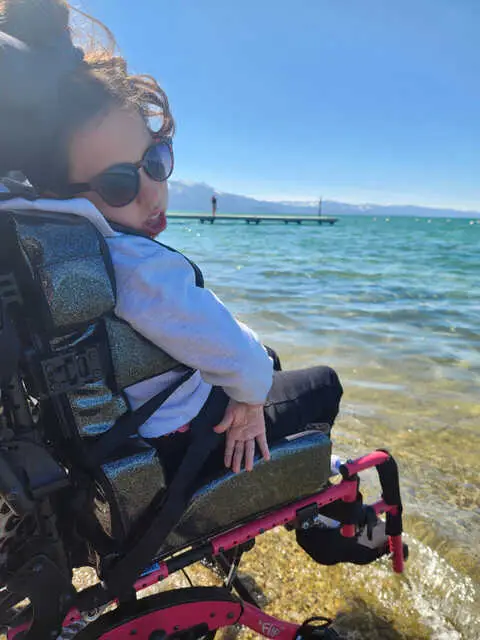
For individuals with polymyositis, outdoor engagement provides clinically recognized physical and psychological benefits:
- Stress Reduction: Nature exposure activates parasympathetic nervous system function, lowering cortisol and reducing anxiety.
- Vitamin D Synthesis: Sunlight exposure supports immune regulation and bone health.
- Gentle Movement: Low-impact outdoor activities maintain circulation and preserve functional capacity.
- Social Engagement: Shared outdoor experiences strengthen relationships and reduce isolation.
7. How Does an All-Terrain Wheelchair Enable Outdoor Access?
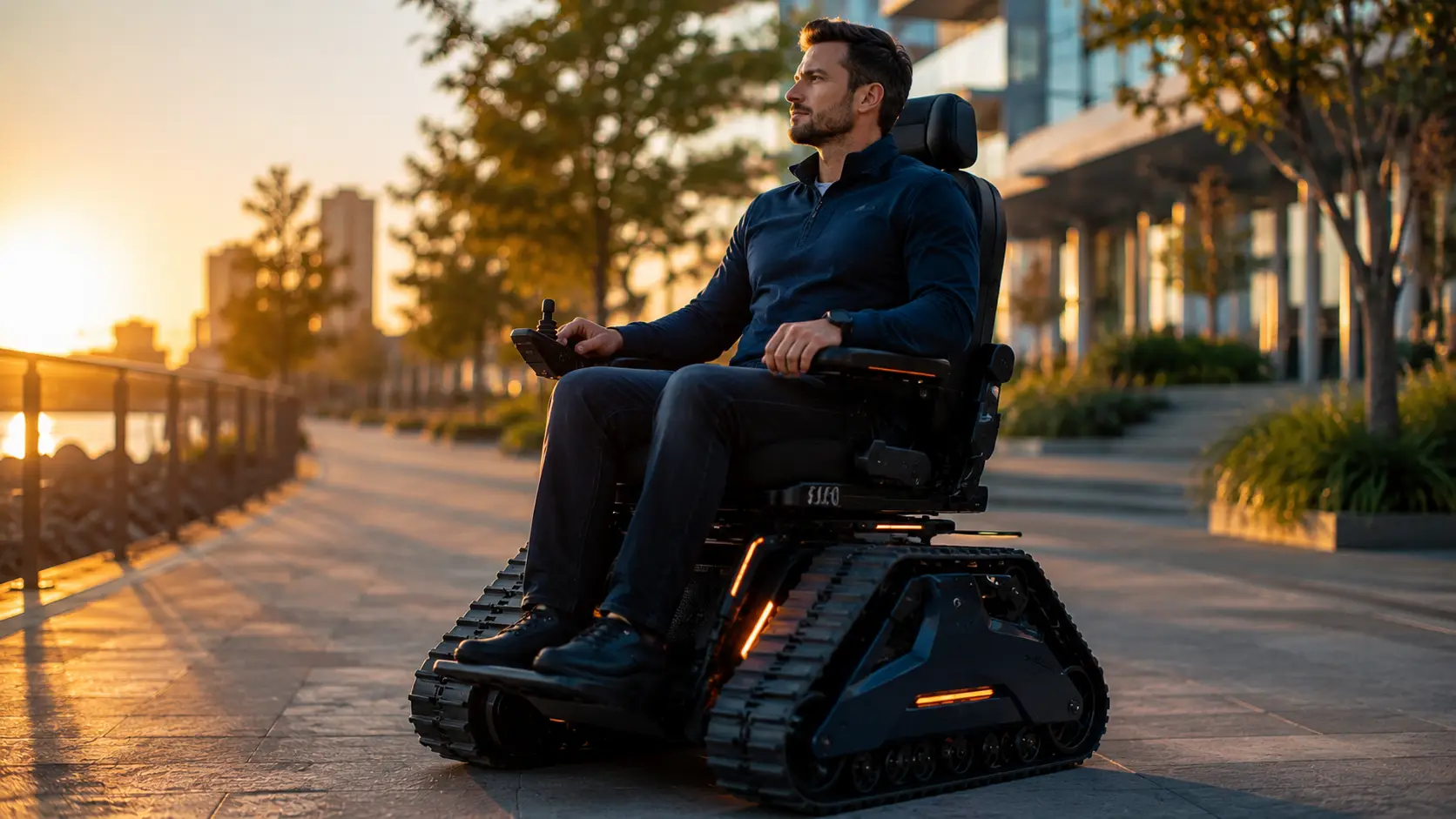
All-terrain wheelchair technology removes a significant barrier to outdoor participation for individuals with mobility limitations:
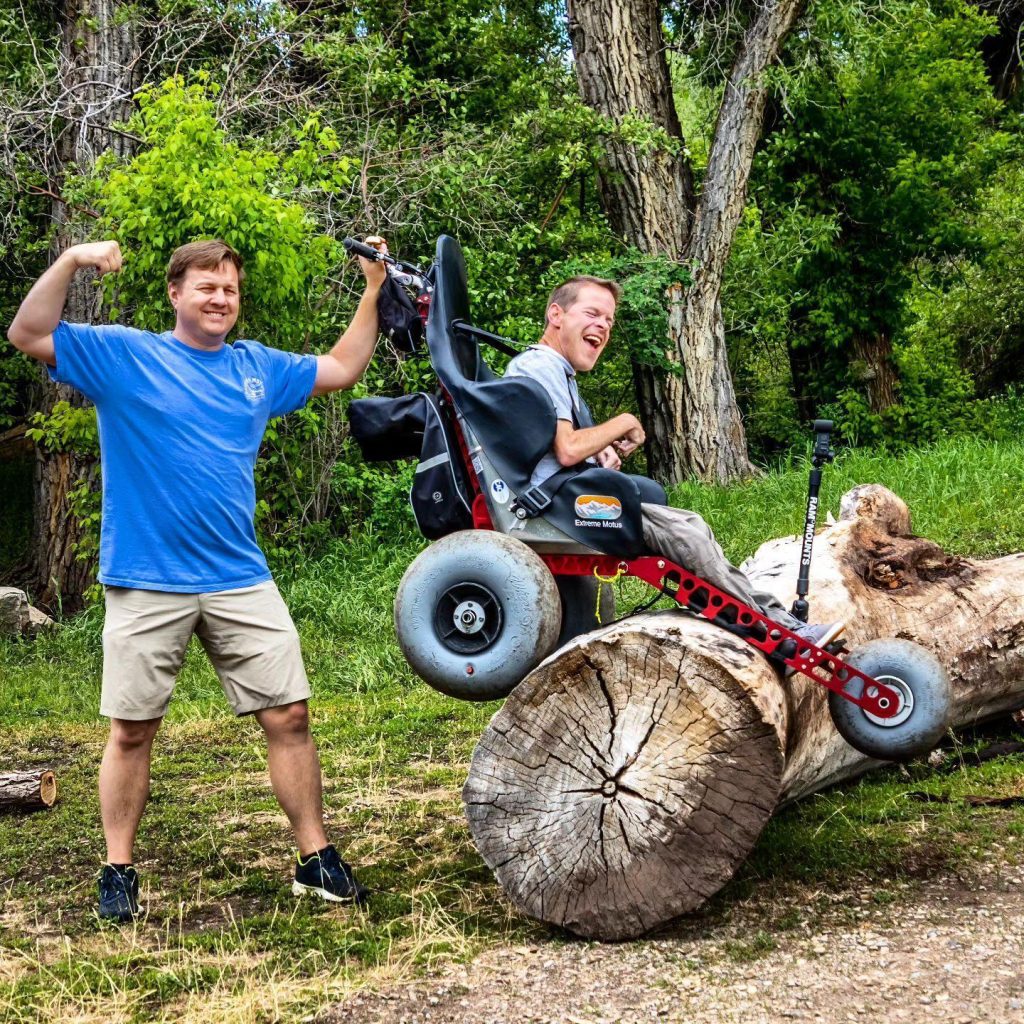
- Terrain Capability: Handles trails, sand, gravel, and grass—environments inaccessible by standard wheelchairs.
- Shock Absorption: Suspension systems minimize vibration on rough surfaces, reducing joint strain.
- Enhanced Independence: Users explore parks and natural areas with reduced dependence on caregivers.
- Family Inclusion: Enables group outings and shared experiences previously limited by mobility constraints.
Frequently Asked Questions
Is polymyositis the same as dermatomyositis?
No. Dermatomyositis includes polymyositis symptoms plus a characteristic skin rash (heliotrope or periorbital). Inclusion body myositis, another distinct condition, typically appears later in life (age 50+) with asymmetric weakness and different treatment responses.
Is polymyositis hereditary?
While a family history of autoimmune disease increases risk, polymyositis is not directly inherited. It develops when genetic susceptibility meets environmental triggers.
Can polymyositis go into remission?
Yes. Approximately 70% of patients respond well to corticosteroids and immunosuppressants, achieving remission or minimal disease activity within 2–5 years of appropriate treatment.
What complications can occur?
Potential complications include interstitial lung disease (10–15% of cases), cardiac involvement, malignancy screening (especially for older adults), and dysphagia-related aspiration risk.
How is polymyositis diagnosed?
Diagnosis involves clinical assessment, elevated muscle enzymes (CK, aldolase), electromyography (EMG), and muscle biopsy showing inflammatory infiltrates. Myositis-specific autoantibody testing refines diagnosis and prognosis.
What is the long-term outlook?
With modern treatment, most patients achieve functional recovery and extended disease-free periods. Mortality rates have declined significantly over the past two decades; however, early and aggressive treatment yields the best outcomes.
Conclusion
Polymyositis is a rare but treatable autoimmune condition. While it demands ongoing medical management and lifestyle adaptation, evidence-based interventions—combined with supportive tools like all-terrain wheelchairs—enable individuals to maintain mobility, social engagement, and quality of life. Early diagnosis, aggressive treatment, and access to outdoor environments are key to optimizing outcomes and resilience.
Ryan Grassley · ryan@extrememotus.com