

7 Essential Facts About Friedreich’s Ataxia and Mobility
Quick answer: Friedreich’s Ataxia is a rare autosomal recessive neurological disorder affecting approximately 1 in 50,000 people, typically beginning in childhood. While progressive, the FDA-approved drug omaveloxolone (Skyclarys, 2023) offers the first disease-specific treatment, and modern supportive care, including mobility aids, can significantly extend lifespan and improve quality of life.
Friedreich’s Ataxia (FA) is a rare genetic condition that progressively impacts movement and coordination. Understanding its causes, effects, approved treatments—including the groundbreaking omaveloxolone—and the role of mobility solutions can help individuals and families navigate this condition with greater confidence and independence.
1. What Causes Friedreich’s Ataxia?
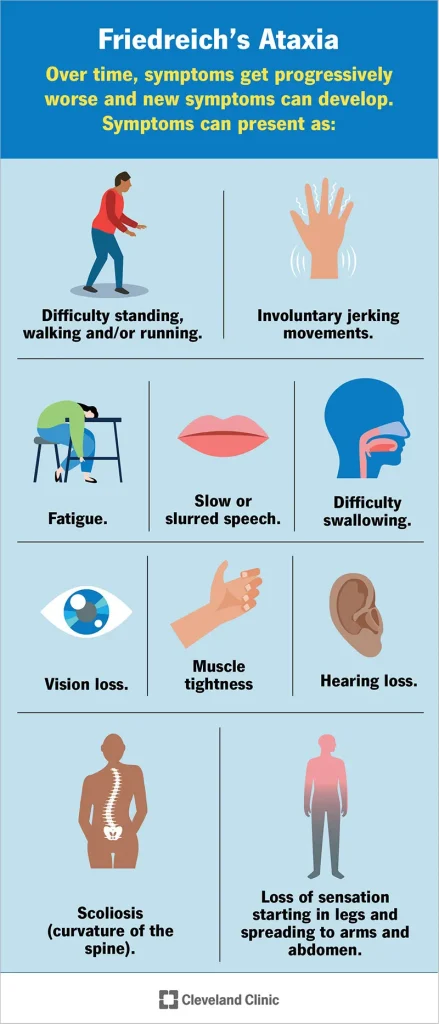
Friedreich’s Ataxia results from a mutation in the FXN gene, which causes reduced production of the frataxin protein. This deficiency leads to oxidative damage in nerve and heart cells. FA is inherited in an autosomal recessive pattern, meaning both parents must carry the gene mutation for a child to be affected.
Primary Effects:
- Degeneration of the spinal cord and peripheral nerves, impairing motor coordination.
- Progressive loss of muscle control and balance.
- Potential cardiomyopathy, diabetes, and scoliosis as systemic complications.
2. How Many People Are Affected?
Friedreich’s Ataxia affects approximately 1 in 50,000 people worldwide, making it the most common inherited ataxia. In the United States, an estimated 5,000–6,000 individuals live with the condition. Onset typically occurs between ages 5 and 15, though some cases manifest later in adolescence.
3. What Are Current Treatments for FA?
Recent advances in FA treatment now include disease-specific medication alongside traditional supportive care. Management strategies include:
- Omaveloxolone (Skyclarys): FDA-approved in February 2023, this is the first disease-modifying treatment for FA. It reduces oxidative stress and has shown efficacy in slowing functional decline in clinical trials.
- Physical and Occupational Therapy: Maintains muscle strength, flexibility, and daily living skills as long as possible.
- Cardiac Management: Medications and monitoring to address heart complications; electrocardiograms and echocardiograms are standard.
- Diabetes Management: Blood glucose monitoring and insulin therapy when needed.
- Assistive Devices: Walkers, braces, and wheelchairs enhance safety and independence as mobility declines.
- Emerging Research: Ongoing clinical trials are exploring additional gene therapies and neuroprotective agents.
4. How Does Friedreich’s Ataxia Impact Families?
FA is a condition that affects entire families, creating both emotional and practical challenges:
- Emotional Impact: Families cope with the progressive nature of the condition, uncertainty about progression rates, and long-term care planning.
- Caregiving Burden: Relatives often assume significant caregiving responsibilities, potentially leading to caregiver fatigue and stress.
- Financial Considerations: Costs for medical visits, therapies, mobility aids, and home modifications can accumulate substantially over time.
- Lifestyle Adjustments: Families adapt routines, plan for accessibility, and may modify recreational activities to accommodate mobility and symptom management needs.
5. Does Friedreich’s Ataxia Eventually Require a Wheelchair?
Many individuals with FA eventually require a wheelchair as their condition progresses, particularly as neurological decline intensifies. This is typically due to:
- Progressive loss of balance and proprioception (sense of body position).
- Muscle weakness and atrophy affecting lower extremities.
- Chronic fatigue that makes sustained walking unsafe or impossible.
A wheelchair—including specialized all-terrain models—enables continued participation in activities, maintains independence, and supports overall quality of life.
6. Why Is Outdoor Activity Beneficial for People with FA?
Outdoor engagement provides substantial physical and mental health benefits for individuals with Friedreich’s Ataxia:
- Mental Health Support: Natural environments reduce stress, anxiety, and depression while promoting emotional resilience.
- Gentle Movement: Light outdoor activity—from strolling in parks to sitting in nature—supports circulation and helps prevent muscle stiffness.
- Vitamin D Production: Sunlight exposure supports bone health, immune function, and may help regulate mood.
- Social Connection: Parks and outdoor spaces facilitate meaningful interaction with loved ones and community.
- Environmental Enrichment: Nature’s sensory experiences—sounds, sights, and smells—provide cognitive and emotional stimulation.
7. How Can an All-Terrain Wheelchair Enable Independence?
An all-terrain wheelchair removes barriers to outdoor participation, allowing individuals with FA to maintain autonomy and enjoy natural environments:
- Terrain Adaptability: Designed to navigate grass, gravel, sand, trails, and uneven paths where standard wheelchairs struggle.
- Shock Absorption: Advanced suspension systems smooth rides on rough surfaces, reducing discomfort and strain.
- Enhanced Stability: Wide stance and low center of gravity provide security on slopes and varied terrain.
- Independence: Reduces dependence on caregivers for outdoor mobility, fostering personal agency and freedom.
- Community Participation: Enables joining family outings, hikes, beach visits, and social gatherings without mobility limitations.
- Psychological Benefit: Overcoming mobility barriers boosts confidence and fosters a sense of possibility and adventure.
Life Expectancy and Modern Care for Friedreich’s Ataxia
With advances in medical management—particularly the introduction of omaveloxolone and improved cardiac and metabolic care—median life expectancy for individuals with FA has extended to approximately 37 years with modern comprehensive care. Earlier diagnosis, preventive treatment, and multidisciplinary support continue to improve outcomes.
Conclusion
Friedreich’s Ataxia presents significant challenges, but the landscape of care has transformed with the arrival of disease-modifying treatment. Combining omaveloxolone therapy, supportive care, mobility solutions, and outdoor engagement can help individuals and families maximize quality of life, maintain independence, and foster meaningful connections to their communities and loved ones.
Ryan Grassley · ryan@extrememotus.com
Frequently Asked Questions
What is the difference between Friedreich’s Ataxia and other types of ataxia?
Friedreich’s Ataxia is the most common inherited form of ataxia and the only autosomal recessive ataxia that causes prominent heart disease. Other ataxias may be dominant, X-linked, or sporadic, and have different genetic causes and progression patterns.
How is Friedreich’s Ataxia diagnosed?
Diagnosis typically involves genetic testing to identify FXN gene mutations, combined with clinical evaluation, nerve conduction studies, and cardiac assessment. MRI may show spinal cord atrophy.
Is Friedreich’s Ataxia inherited?
Yes, FA is inherited in an autosomal recessive pattern. Both parents must carry a mutation in the FXN gene for their child to have the condition. Children of two carrier parents have a 25% chance of being affected.
How does omaveloxolone (Skyclarys) work?
Omaveloxolone activates cellular pathways that reduce oxidative stress and inflammation, which are key mechanisms of neuronal damage in FA. It is designed to slow functional decline in people with the condition.
What support resources are available for people with Friedreich’s Ataxia?
Organizations such as the Friedreich’s Ataxia Research Alliance (FARA), the National Ataxia Foundation, and the Muscular Dystrophy Association offer clinical information, research updates, and patient support networks.
How it all started - Meet Sam & Ryan
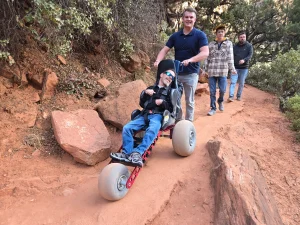
Since 2019, Sam and Ryan have been demonstrating that nature is wheelchair accessible with the Extreme Motus All Terrain Wheelchair. From National Parks to Skateparks, their adventures prove that a manual off-road wheelchair can offer laughter and joy while navigating diverse terrains.
Join us as we continue to share these inspiring journeys.
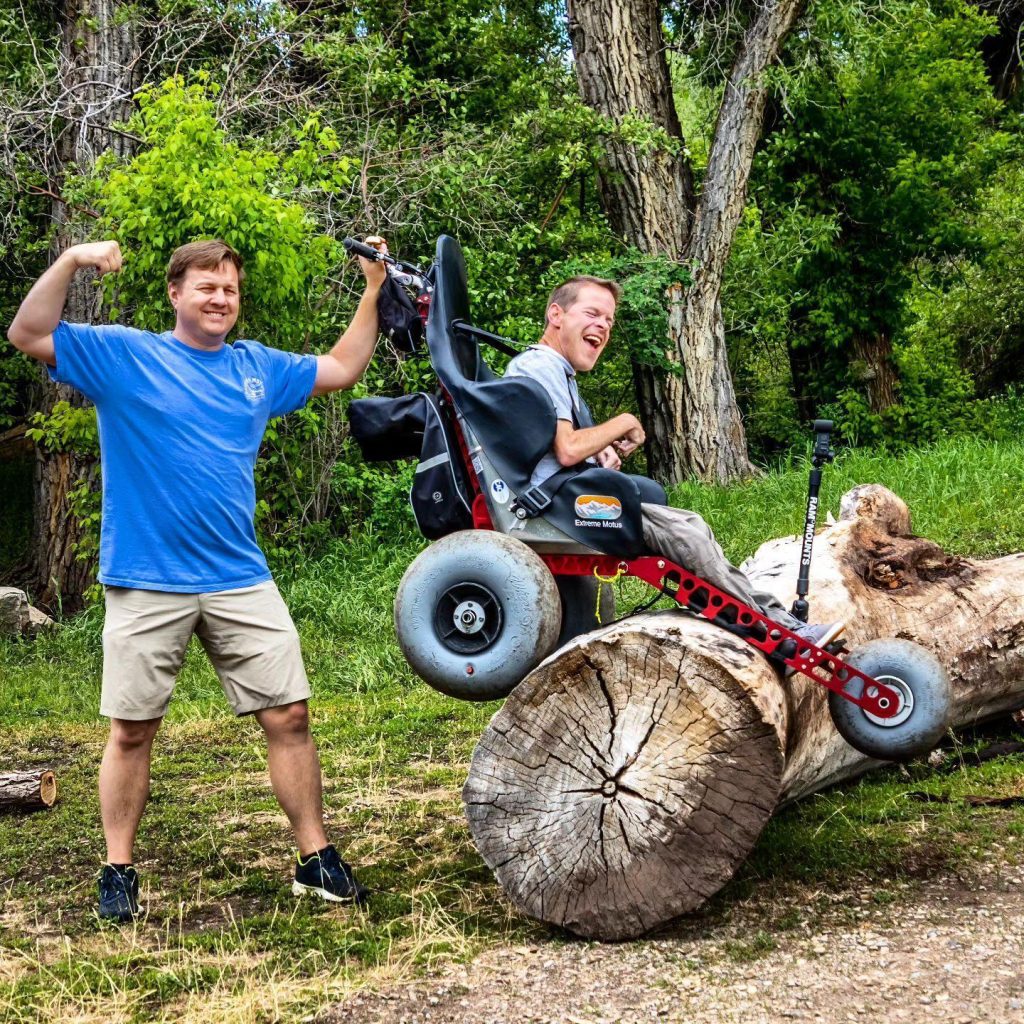
Discover Freedom with the Extreme Motus All Terrain Wheelchair
Light, comfortable, and compact, the Extreme Motus glides over sand, rocks, grass, gravel, and even floats in water.
It's more than a outdoor wheelchair; it's your ticket to freedom. Embrace the outdoors with confidence, knowing our off-road wheelchair is engineered for durability and ease of use.
Be the first to hear about new gear, upcoming adventures, and exclusive offers. As a welcome gift, you'll get a $100 coupon toward the Motus All-Terrain Wheelchair — delivered straight to your inbox.
By subscribing you agree to receive marketing communications from Extreme Motus, including product updates, promotions, and special offers. I understand I can unsubscribe at any time.