

What is Paget’s Disease?
Quick answer: Paget’s Disease is a chronic bone disorder affecting 1-3% of adults over 55 in Western countries, characterized by excessive bone breakdown and disorganized rebuilding. While often asymptomatic, it can cause pain, deformity, and fractures, managed with bisphosphonates and lifestyle modifications.
Paget’s Disease is a chronic bone condition that disrupts the body’s normal bone remodeling process, leading to weakened and deformed bones. Understanding its causes, treatments, and the benefits of outdoor activities can help those affected live fuller lives.
1. What Causes Paget’s Disease?
Paget’s Disease is caused by abnormalities in the bone remodeling process, where old bone is broken down and replaced with new bone. In Paget’s, this process occurs too rapidly, producing weak and disorganized bone tissue.
Contributing Factors:
- Genetics: Family history increases risk; approximately 15-30% of patients have affected relatives.
- Environmental Factors: Possible viral triggers, though causation remains unclear.
- Age: More common in adults over 55 due to cumulative bone remodeling changes.
2. How Many People Are Affected by Paget’s Disease?
Paget’s Disease affects approximately 1-3% of people over the age of 55 in the United States, United Kingdom, and Australia, making it one of the most common bone disorders after osteoporosis. It is significantly less common in Africa and Asia. The condition becomes more prevalent with advancing age.
3. What Are the Primary Treatments for Paget’s Disease?
While there is no cure, treatments can manage symptoms and prevent complications:
- Bisphosphonates (First-Line): Medications like zoledronic acid and pamidronate reduce bone turnover, strengthen bones, and decrease fracture risk.
- Calcitonin (Alternative): Helps regulate calcium levels and slows bone breakdown in patients who cannot tolerate bisphosphonates.
- Pain Management: Over-the-counter and prescribed analgesics address bone pain and inflammation.
- Physical Therapy: Improves mobility, strengthens supporting muscles, and reduces fall risk.
- Orthopedic Surgery: In severe cases, surgical intervention repairs fractures or corrects bone deformities.
4. How Does Paget’s Disease Affect Families?
Paget’s Disease impacts family members in multiple ways:
- Emotional Strain: Loved ones may feel helpless witnessing a family member’s pain or mobility challenges.
- Caregiving Responsibilities: Family members may assist with daily activities and transportation to medical appointments.
- Financial Challenges: Costs of treatments, therapies, mobility aids, and home modifications can accumulate.
- Genetic Awareness: Family history increases disease risk for relatives, necessitating health monitoring.
5. Can Paget’s Disease Necessitate Wheelchair Use?
Yes. In advanced stages or with severe complications, Paget’s Disease can require wheelchair support:
- Bone Pain and Fractures: Severe pain or recurrent breaks significantly limit walking capacity.
- Joint Deformities: Affected bones can develop arthritis or misalignment, making ambulation difficult.
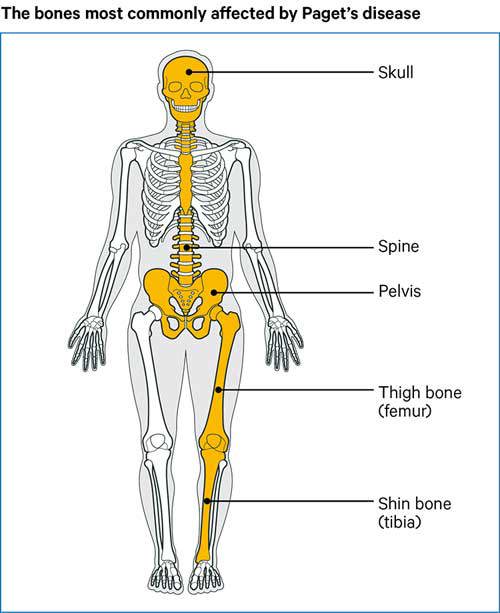
- Spinal Involvement: Paget’s affecting the spine can compromise mobility and stability.
- Energy Conservation: A wheelchair allows individuals to conserve energy for other daily activities.
6. Why Is Spending Time Outdoors Important?
Outdoor activities provide significant benefits for those with Paget’s Disease:
- Mental Health: Fresh air and nature reduce stress, anxiety, and depression.
- Gentle Movement: Low-impact outdoor activities improve joint mobility and circulation.
- Bone Health: Sunlight provides vitamin D, essential for calcium absorption and bone strength.
- Social Engagement: Outdoor spaces encourage connection with family and community.
- Overall Wellness: Nature offers therapeutic benefits for relaxation and mental clarity.
7. How Can an All-Terrain Wheelchair Help?
An all-terrain wheelchair empowers individuals with Paget’s Disease to safely and comfortably explore the outdoors:
- Handles Varied Terrains: Designed for grass, gravel, sand, and uneven trails without compromising safety.
- Comfort and Stability: Shock-absorbing wheels and ergonomic seating reduce discomfort and improve balance.
- Promotes Independence: Enables users to explore parks, beaches, and trails with minimal assistance.
- Encourages Inclusion: Makes family outings and social gatherings more accessible.
- Inspires Confidence: Overcomes physical barriers, fostering freedom and adventure.
Frequently Asked Questions
Is Paget’s Disease hereditary?
While not directly inherited, Paget’s Disease shows familial clustering. About 15-30% of patients have a family history, suggesting a genetic predisposition combined with environmental triggers.
Is Paget’s Disease curable?
There is no cure for Paget’s Disease, but treatments effectively manage symptoms and slow bone remodeling. Many individuals achieve remission with bisphosphonate therapy.
What are the main complications of Paget’s Disease?
Complications include pathological fractures, bone deformities, spinal cord compression, hearing loss (if skull is affected), and in rare cases (less than 1%), bone cancer.
How is Paget’s Disease diagnosed?
Diagnosis involves elevated alkaline phosphatase levels on blood tests, characteristic radiographic findings on X-rays, and sometimes bone biopsy. Many cases are discovered incidentally during imaging for other reasons.
Does Paget’s Disease affect life expectancy?
With appropriate treatment, Paget’s Disease does not significantly reduce life expectancy in most cases. Early diagnosis and management of complications improve long-term outcomes.
Conclusion: Thrive with Paget’s Disease
Paget’s Disease presents unique challenges, but with modern treatment options and supportive tools, individuals can maintain quality of life and mobility. Spending time outdoors and using adaptive equipment like all-terrain wheelchairs enables those affected to build lasting memories with loved ones while managing their condition effectively.
Ryan Grassley · ryan@extrememotus.com

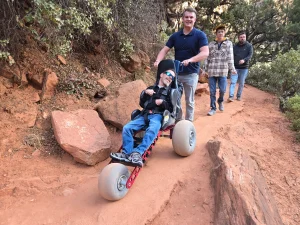
How it all started - Meet Sam & Ryan
Since 2019, Sam and Ryan have been demonstrating that nature is wheelchair accessible with the Extreme Motus All Terrain Wheelchair. From National Parks to Skateparks, their adventures prove that a manual off-road wheelchair can offer laughter and joy while navigating diverse terrains.
Join us as we continue to share these inspiring journeys.
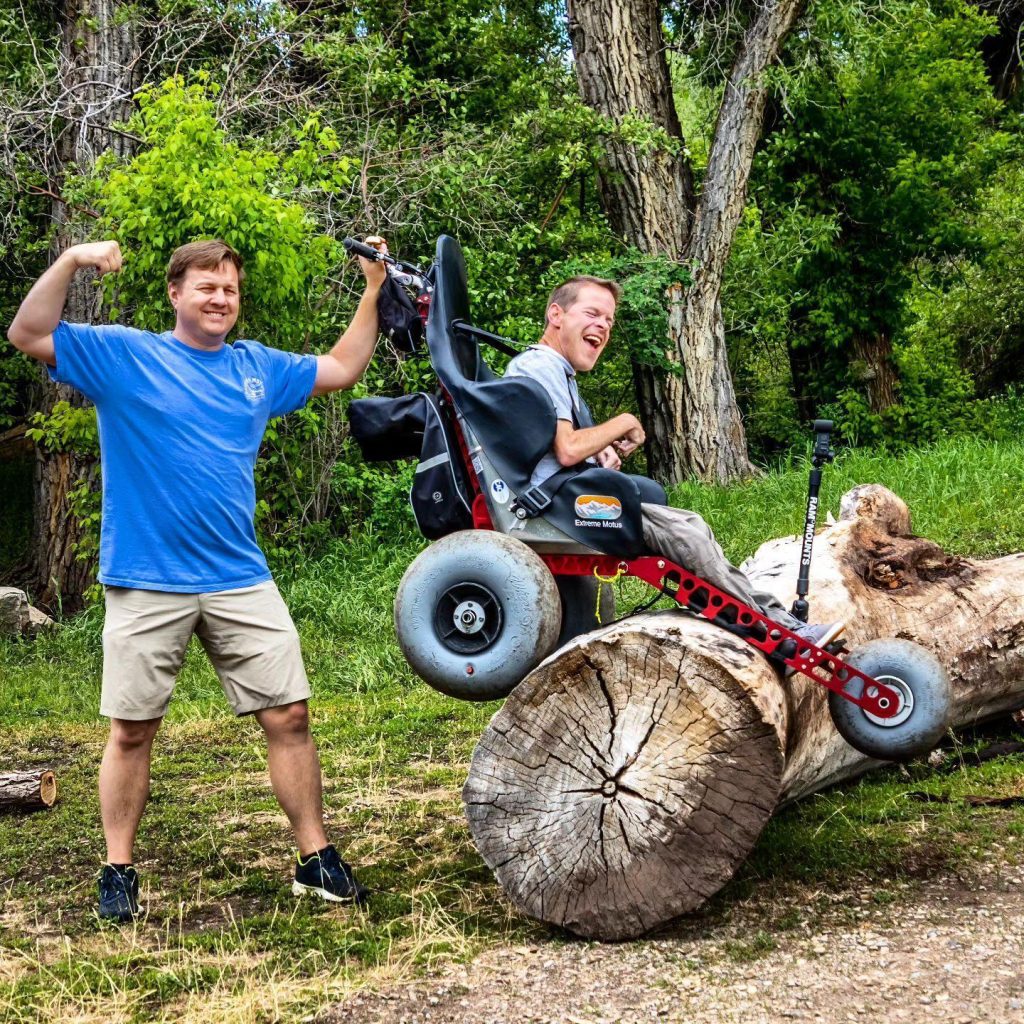
Discover Freedom with the Extreme Motus All Terrain Wheelchair
Light, comfortable, and compact, the Extreme Motus glides over sand, rocks, grass, gravel, and even floats in water.
It's more than a outdoor wheelchair; it's your ticket to freedom. Embrace the outdoors with confidence, knowing our off-road wheelchair is engineered for durability and ease of use.
Be the first to hear about new gear, upcoming adventures, and exclusive offers. As a welcome gift, you'll get a $100 coupon toward the Motus All-Terrain Wheelchair — delivered straight to your inbox.
By subscribing you agree to receive marketing communications from Extreme Motus, including product updates, promotions, and special offers. I understand I can unsubscribe at any time.