

Quick answer: The EXPLORE Act (signed into law January 4, 2025) expands outdoor recreation access for underserved communities, military veterans, and people with disabilities through funding for trail improvements, accessibility upgrades, free park passes for children, and veteran fee waivers.
The EXPLORE Act: Transforming Outdoor Access for All Americans
The Expanding Public Lands Outdoor Recreation Experiences (EXPLORE) Act represents a landmark legislative achievement signed into law on January 4, 2025. This transformative package includes multiple provisions aimed at enhancing accessibility, promoting inclusivity, and fostering a stronger connection between all Americans and the great outdoors. In this article, we explore the key components of the EXPLORE Act, its potential impact, and how innovations like the Extreme Motus all-terrain wheelchair contribute to its vision.
7 Powerful Ways the EXPLORE Act Transforms Outdoor Recreation
1. Expanded Access to Public Lands for All Communities
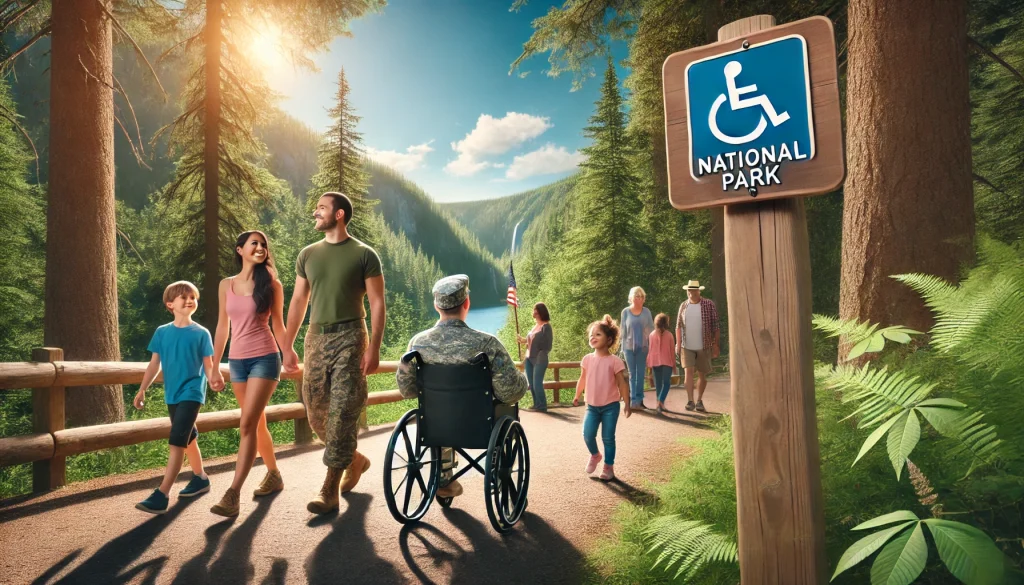
The EXPLORE Act prioritizes improving access to outdoor spaces and recreational opportunities for underserved communities, military veterans, children, and individuals with disabilities. By addressing systemic barriers that prevent certain groups from enjoying outdoor activities, the legislation aims to create a culture where outdoor recreation is truly for everyone.
2. Increased Infrastructure Funding for Trail and Park Improvements
The act allocates significant funding for infrastructure upgrades to national parks, public lands, and recreation areas. These improvements include enhanced trail accessibility, ADA-compliant facilities, improved parking, and visitor amenities that make outdoor spaces more welcoming and usable for diverse visitors.
3. The Outdoors for All Act: Urban Park Equity
A key component of the EXPLORE Act, the Outdoors for All Act focuses on improving access to urban parks and green spaces. It prioritizes funding for communities that lack recreational facilities, ensuring that everyone, regardless of location or socioeconomic status, has a place to connect with nature.
4. Military Veterans in Parks Act: Healing Through Nature
The Military Veterans in Parks Act provides free or reduced-cost access to national parks and public lands for military veterans and Gold Star families. It acknowledges the therapeutic benefits of nature for veterans dealing with post-traumatic stress disorder (PTSD) and other challenges. By removing financial barriers, this provision encourages veterans to utilize public lands as spaces for reflection, healing, and recreation.
5. Every Kid Outdoors Act: Building the Next Generation
The Every Kid Outdoors Act is a federal initiative that provides free access to national parks and public lands for fourth-grade students and their families. The goal is to instill a lifelong appreciation for nature in children by exposing them to the outdoors during their formative years. Through partnerships with schools and community organizations, this program bridges the gap for children from underserved areas who might not otherwise have the opportunity to explore public lands.
6. Accessibility Requirements and ADA Compliance Standards
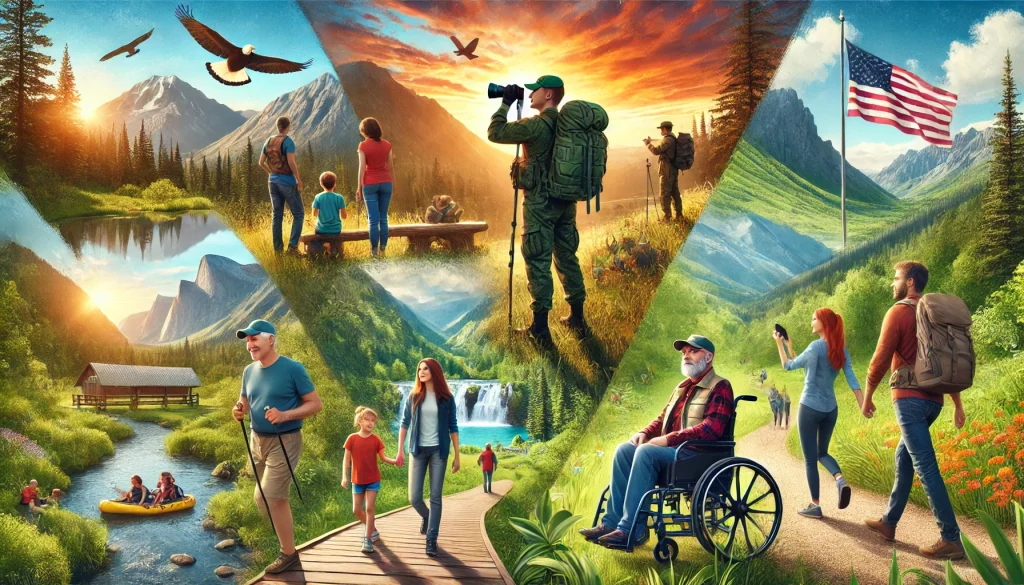
The EXPLORE Act mandates accessibility improvements across federal recreation areas. This includes upgrading trails, facilities, and amenities to meet Americans with Disabilities Act (ADA) standards, ensuring that people with mobility challenges can safely access and enjoy outdoor spaces.
7. Fishing and Hunting Access for All Backgrounds
The legislation promotes equitable access to fishing and hunting on public lands, supporting programs that introduce these activities to underrepresented communities. This ensures that outdoor recreation traditions are available to all Americans regardless of background or prior experience.
Why the EXPLORE Act Matters for Outdoor Recreation Access
Access to outdoor spaces is a matter of equity and wellness. Spending time outdoors offers numerous benefits:
- Physical Health: Activities like hiking and camping promote cardiovascular health and fitness.
- Mental Health: Time in nature reduces stress, anxiety, and depression.
- Community Connection: Outdoor spaces foster inclusivity and shared experiences, breaking down social barriers.
- Cultural Representation: Increased diversity in outdoor spaces ensures that everyone feels welcomed and represented in these environments.
By addressing barriers to access, the EXPLORE Act aims to make these benefits universally available.
The Role of Innovation: Extreme Motus and the EXPLORE Act Vision
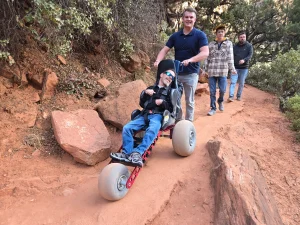
The Extreme Motus all-terrain wheelchair embodies the spirit of the EXPLORE Act by providing a practical solution to one of the most significant barriers to outdoor accessibility: terrain limitations.
- Rugged Design: Designed to handle uneven trails, rocky paths, and sandy beaches, the wheelchair ensures users can explore areas previously deemed inaccessible.
- Inclusivity: Its user-friendly design enables individuals with mobility challenges to participate fully in outdoor activities, promoting equality in recreation.
- Alignment with EXPLORE Act Goals: As parks and trails are upgraded to meet accessibility standards, tools like the Extreme Motus wheelchair enhance the experience, ensuring that improvements are meaningful and practical.
The Extreme Motus wheelchair represents the innovation and inclusivity that the EXPLORE Act strives to achieve, making outdoor adventures a possibility for everyone.
Implementation and Next Steps
With the EXPLORE Act now signed into law, implementation is underway. Federal agencies and local communities are working to identify priority areas for infrastructure improvements, develop guidelines for accessibility standards, establish funding mechanisms for state and local projects, and create educational partnerships to expand program reach.
Public engagement remains vital for the effective implementation of these policies. Citizens can participate through contacting elected representatives, attending public meetings, engaging with advocacy organizations, and supporting local conservation efforts.
Frequently Asked Questions
When was the EXPLORE Act signed into law?
The EXPLORE Act was signed into law on January 4, 2025, by President Biden, after passing both the House and Senate with bipartisan support.
What does EXPLORE stand for?
EXPLORE stands for Expanding Public Lands Outdoor Recreation Experiences Act.
Who benefits most from the EXPLORE Act?
The act is designed to benefit underserved communities, military veterans, children, individuals with disabilities, and anyone seeking greater access to outdoor recreation on public lands.
Are there free park passes available under the EXPLORE Act?
Yes. The Every Kid Outdoors Act provides free annual passes to fourth-graders and their families, while the Military Veterans in Parks Act offers free or reduced access for veterans and Gold Star families.
How will the EXPLORE Act improve accessibility for people with disabilities?
The act mandates ADA compliance upgrades to trails, facilities, and recreation areas, improving wheelchair accessibility, parking, and amenities across federal lands.
Can I use an all-terrain wheelchair on improved trails?
Yes. As parks and trails are upgraded per EXPLORE Act standards, all-terrain wheelchairs like the Extreme Motus provide enhanced access to terrain that traditional wheelchairs cannot navigate, extending outdoor recreation opportunities even further.
Ryan Grassley · ryan@extrememotus.com
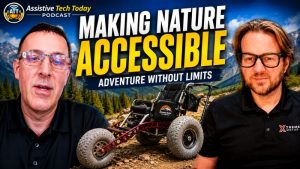
How it all started - Meet Sam & Ryan
Since 2019, Sam and Ryan have been demonstrating that nature is wheelchair accessible with the Extreme Motus All Terrain Wheelchair. From National Parks to Skateparks, their adventures prove that a manual off-road wheelchair can offer laughter and joy while navigating diverse terrains.
Join us as we continue to share these inspiring journeys.
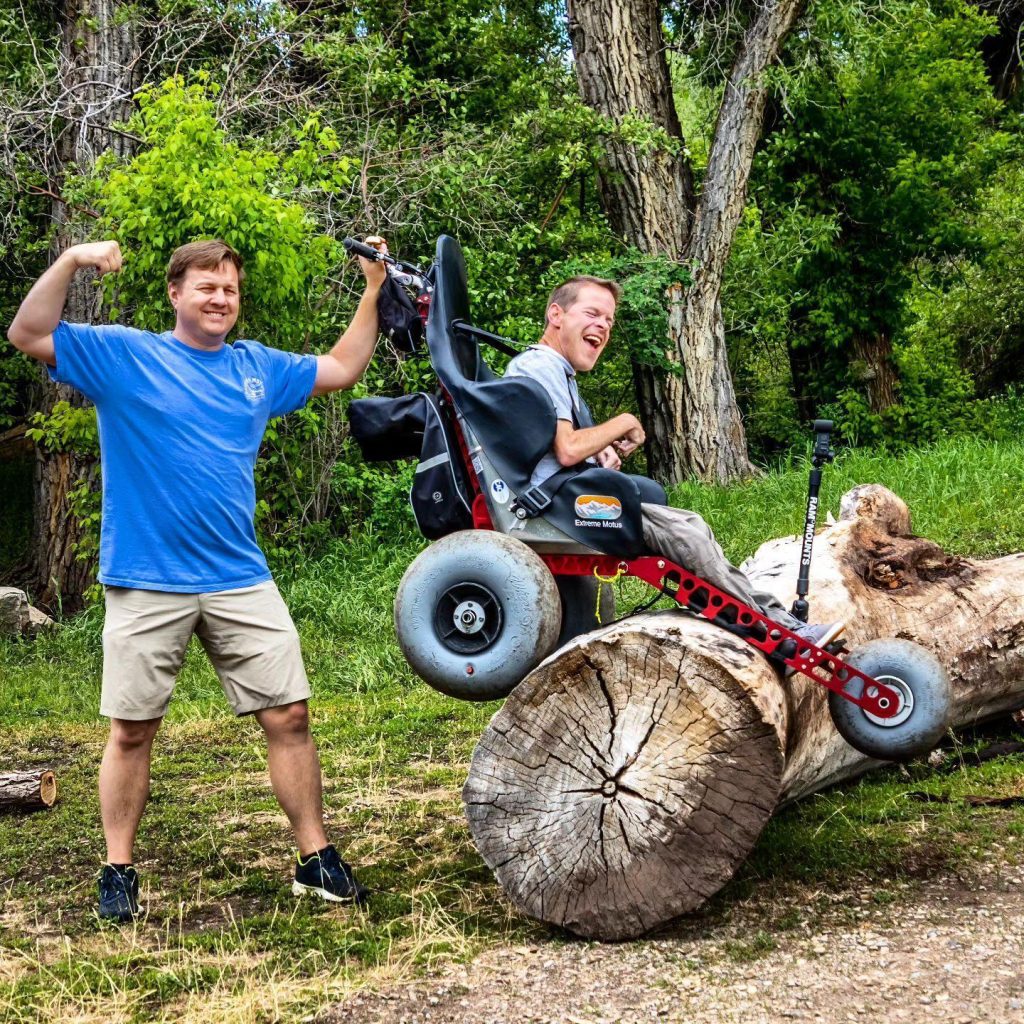
Discover Freedom with the Extreme Motus All Terrain Wheelchair
Light, comfortable, and compact, the Extreme Motus glides over sand, rocks, grass, gravel, and even floats in water.
It's more than a outdoor wheelchair; it's your ticket to freedom. Embrace the outdoors with confidence, knowing our off-road wheelchair is engineered for durability and ease of use.
Be the first to hear about new gear, upcoming adventures, and exclusive offers. As a welcome gift, you'll get a $100 coupon toward the Motus All-Terrain Wheelchair — delivered straight to your inbox.
By subscribing you agree to receive marketing communications from Extreme Motus, including product updates, promotions, and special offers. I understand I can unsubscribe at any time.