

Living With Chronic Obstructive Pulmonary Disease (COPD)
Quick answer: COPD affects approximately 11.7 million diagnosed Americans (4.6% of the adult population), with smoking accounting for about 75-90% of cases. The condition encompasses emphysema and chronic bronchitis, causing progressive airflow blockage and breathing difficulties. Early diagnosis and proper management significantly improve quality of life and outcomes.
Chronic Obstructive Pulmonary Disease (COPD) is a progressive lung condition that impacts millions of people worldwide, ranking as a leading cause of disability and mortality. Despite its severity, individuals with COPD can maintain quality of life through proper management, activity, and the right mobility tools—such as all-terrain wheelchairs—that enable outdoor engagement and independence.
What Is Chronic Obstructive Pulmonary Disease?
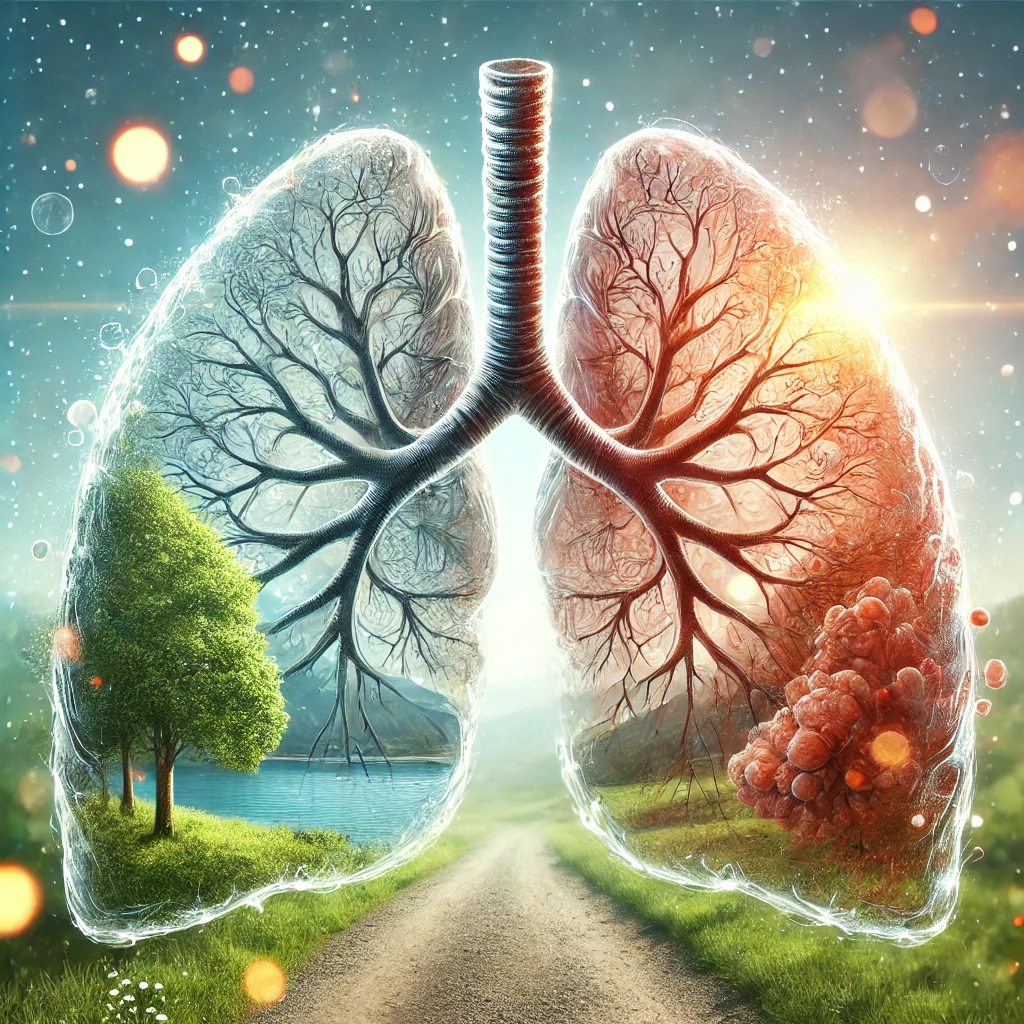
Chronic Obstructive Pulmonary Disease is a group of progressive lung diseases that block airflow and make breathing difficult. The two primary diseases that make up COPD are emphysema and chronic bronchitis, which often occur together. Characteristic symptoms include:
- Persistent cough, often with mucus production
- Shortness of breath, particularly with physical exertion
- Wheezing and chest tightness
- Frequent respiratory infections
- Fatigue and reduced exercise tolerance
The primary cause is long-term exposure to irritants—most commonly cigarette smoke, which accounts for approximately 75-90% of COPD cases. However, air pollution, occupational dust, and chemical exposure also contribute to disease development.
How Many Americans Have COPD?
According to 2023 CDC data, approximately 11.7 million Americans (3.8% of adults age 18+) report a COPD diagnosis. However, prevalence has been reported as high as 15 million in earlier surveys. The condition is more common in women (4.1%) than men (3.4%), and increases significantly with age, affecting 10.5% of Americans age 75 and older. Importantly, underdiagnosis is widespread—estimates suggest up to 18 million Americans have evidence of impaired lung function consistent with COPD but have not been diagnosed.
What Happens Inside the Body With COPD?
COPD causes progressive damage to the lungs and airways. In emphysema, the air sacs (alveoli) lose elasticity, trapping air and making exhalation difficult. In chronic bronchitis, the airways become inflamed and produce excess mucus, further obstructing airflow. Over time, the lungs cannot effectively deliver oxygen to the bloodstream, leading to low blood oxygen levels. This systemic oxygen deficit causes fatigue, cognitive difficulties, and puts strain on the heart and other organs.
Even routine activities such as walking up stairs or light exertion can trigger severe breathlessness. This limitation often leads to reduced physical activity, which accelerates muscle weakness, deconditioning, and heightened risk of anxiety and depression.
Why Outdoor Activity Benefits People With COPD
Nature engagement offers measurable physical and mental health benefits for individuals managing COPD:
- Improved Air Quality in Natural Settings: Parks and natural areas often have cleaner air than urban environments, reducing irritant exposure that can trigger exacerbations.
- Mental Health Support: Time in nature reduces stress, anxiety, and depression—conditions that frequently accompany chronic respiratory disease.
- Vitamin D Production: Sunlight exposure supports immune function and bone health, particularly important for individuals with reduced activity levels.
- Gentle Physical Activity: Walking or light movement in outdoor settings can improve lung function, cardiovascular fitness, and overall endurance without the stress of structured exercise.
- Social Connection: Shared outdoor experiences with family and community reduce isolation and foster emotional resilience.
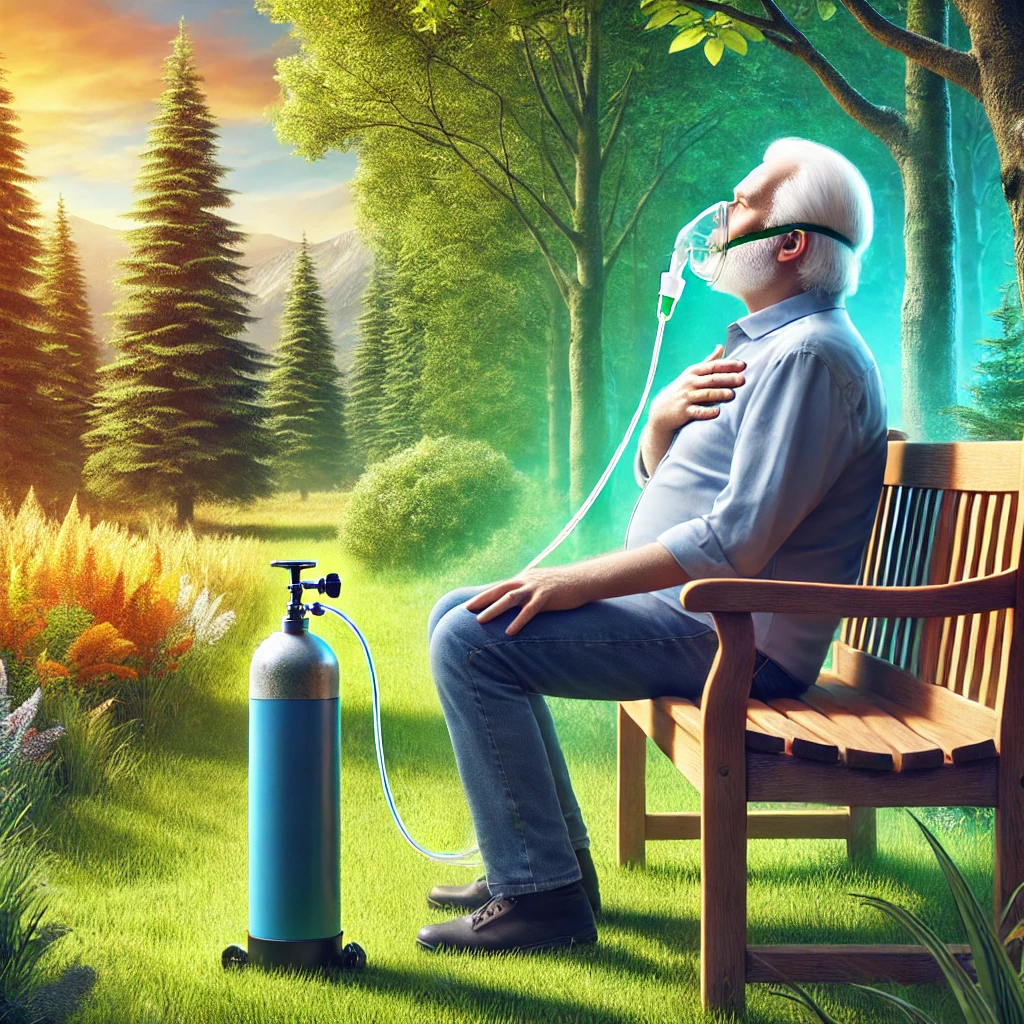
The accessibility challenge: Mobility limitations and uneven terrain often prevent individuals with COPD from accessing these outdoor benefits. Fatigue and reduced exercise tolerance make standard ambulation difficult, and standard wheelchairs are inadequate for natural terrain.
How All-Terrain Wheelchairs Enable Outdoor Access for COPD
An all-terrain wheelchair addresses the unique mobility challenges of COPD by reducing physical demand while expanding access to natural environments.
- Energy Conservation: Wheeled mobility minimizes exertion, allowing users to preserve respiratory capacity for activities they choose, rather than exhausting it on walking.
- Terrain Capability: Purpose-built for gravel, sand, dirt paths, grass, and forest trails, all-terrain wheelchairs make parks and nature accessible where standard wheelchairs fail.
- Comfort and Stability: Shock-absorbing suspension and ergonomic seating reduce jarring movements that can trigger breathing distress, while secure positioning enhances confidence.
- Social Participation: Increased independence enables participation in family outings and community activities, reducing the isolation that often accompanies COPD.
The Extreme Motus All-Terrain Wheelchair for COPD
The Extreme Motus All-Terrain Wheelchair is specifically engineered to address the complex needs of individuals with COPD. By combining stability, comfort, and rugged terrain capability, it removes barriers to outdoor engagement and helps users reclaim independence and quality of life.
Key Benefits for COPD Management
1. Reduces Physical Strain and Preserves Respiratory Capacity
- Energy Conservation: Eliminates the physical exertion of walking, allowing users to direct limited respiratory capacity toward activities and social engagement.
- Ergonomic Support: Proper seating alignment reduces upper body strain and optimizes breathing efficiency while seated.
2. Enhances Safety and Stability
- Secure Frame: Provides stability for users who may feel lightheaded or unsteady from low oxygen saturation.
- Shock-Absorbing Suspension: Smoothly absorbs impact from uneven terrain, preventing jarring that could trigger breathing exacerbations.
3. Expands Access to Healing Outdoor Environments
- All-Terrain Capability: Navigates parks, trails, beaches, and other natural settings that promote physical and mental well-being.
- Durable Design: Built to withstand rugged conditions, enabling confident exploration without worry about equipment failure.
4. Supports Mental and Emotional Well-Being
- Reduces Isolation: Enables participation in outdoor activities and social events, combating the depression and anxiety common with chronic illness.
- Promotes Sense of Agency: Independence in exploration fosters confidence and self-efficacy.
- Fresh Air Benefits: Exposure to natural light and outdoor air supports cognitive function and mood.
5. Facilitates Social Connection and Family Participation
- Group Accessibility: Makes it feasible to participate in family outings, community events, and shared experiences.
- Strengthens Relationships: Shared outdoor experiences create meaningful memories and reduce caregiver burden.
6. Promotes Physical Independence
- User-Friendly Operation: Enables independent navigation with minimal assistance.
- Builds Confidence: Overcomes mobility barriers and fosters a sense of freedom and control.
Frequently Asked Questions About COPD and Outdoor Mobility
Q: Is COPD curable?
A: COPD is not curable but is manageable. Early diagnosis, smoking cessation, medications, pulmonary rehabilitation, and lifestyle modifications can significantly slow progression and improve quality of life. Some individuals maintain stable function for years with proper management.
Q: Can someone with COPD use an all-terrain wheelchair safely?
A: Yes. All-terrain wheelchairs are designed to minimize physical exertion and provide stable, shock-absorbing support—ideal for individuals with limited respiratory capacity. Always consult with a healthcare provider to ensure suitability for your specific condition.
Q: Will outdoor air quality affect my COPD?
A: Air quality varies by location and season. Parks and natural areas generally have cleaner air than urban centers, but individuals should monitor air quality indices and avoid outdoor activity during high pollution days or seasonal triggers (pollen, cold air).
Q: What medications are commonly used to manage COPD?
A: Treatment typically includes bronchodilators (to open airways), corticosteroids (to reduce inflammation), and supplemental oxygen when needed. A pulmonologist tailors the regimen to individual severity and response. Pulmonary rehabilitation and exercise are essential components of comprehensive care.
Q: How does smoking cessation affect COPD progression?
A: Quitting smoking stops further lung damage and slows disease progression significantly. Even after decades of smoking, cessation improves lung function and reduces exacerbation frequency. The sooner someone quits, the greater the benefit.
Q: Can I exercise with COPD?
A: Yes, exercise is recommended. Pulmonary rehabilitation programs teach breathing techniques and provide supervised, graduated exercise training tailored to capacity. Outdoor activities via all-terrain wheelchair offer gentle activity without the stress of walking, making sustained engagement more feasible.
Conclusion: Reclaiming Life and Independence
COPD is a serious condition, but it need not isolate individuals from nature, activity, and social connection. With proper medical management and the right mobility tools, people with COPD can maintain quality of life, engage with their communities, and enjoy the therapeutic benefits of outdoor environments. An all-terrain wheelchair removes the final barrier—enabling independence, confidence, and freedom to explore the world on one’s own terms.
Ryan Grassley · ryan@extrememotus.com
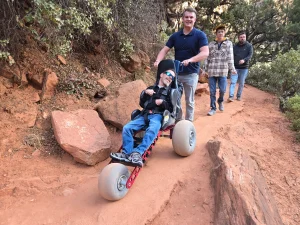
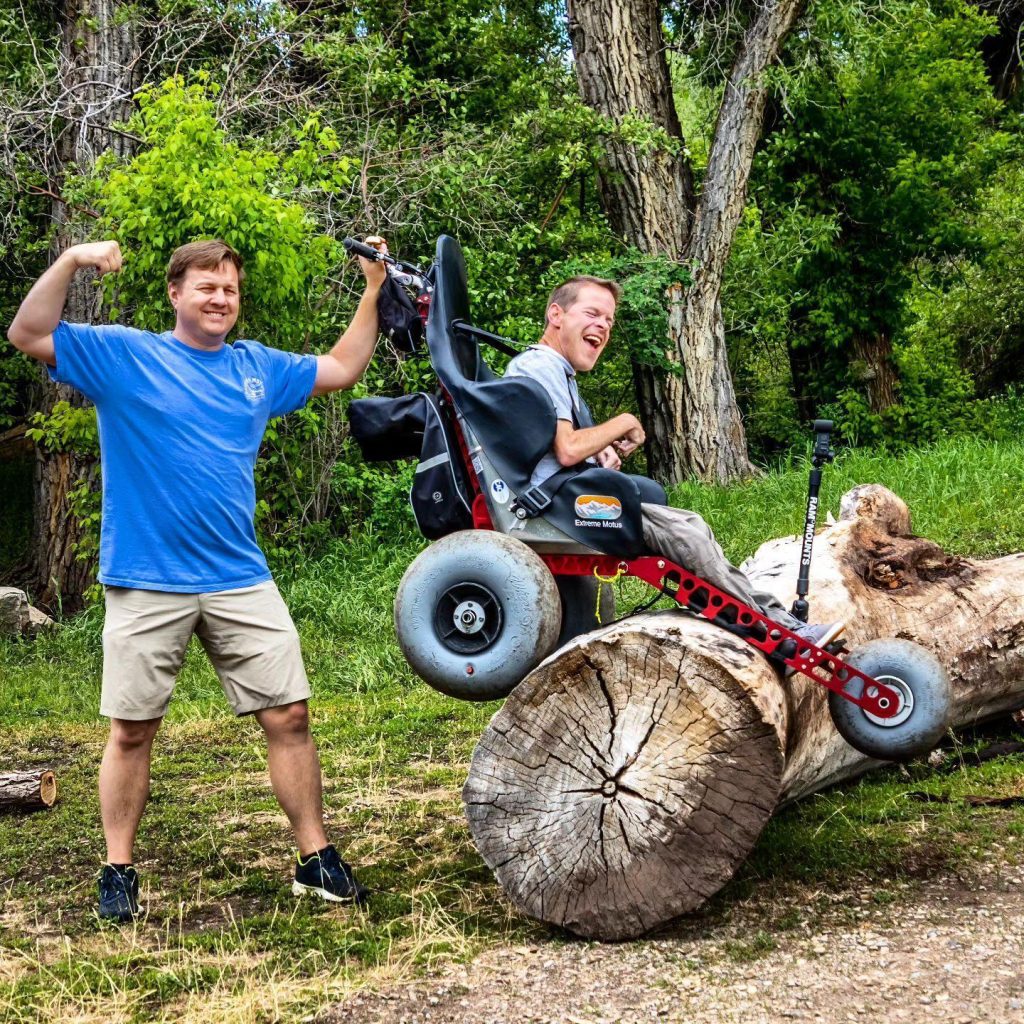
How it all started - Meet Sam & Ryan
Since 2019, Sam and Ryan have been demonstrating that nature is wheelchair accessible with the Extreme Motus All Terrain Wheelchair. From National Parks to Skateparks, their adventures prove that a manual off-road wheelchair can offer laughter and joy while navigating diverse terrains.
Join us as we continue to share these inspiring journeys.
Discover Freedom with the Extreme Motus All Terrain Wheelchair
Light, comfortable, and compact, the Extreme Motus glides over sand, rocks, grass, gravel, and even floats in water.
It's more than a outdoor wheelchair; it's your ticket to freedom. Embrace the outdoors with confidence, knowing our off-road wheelchair is engineered for durability and ease of use.
Be the first to hear about new gear, upcoming adventures, and exclusive offers. As a welcome gift, you'll get a $100 coupon toward the Motus All-Terrain Wheelchair — delivered straight to your inbox.
By subscribing you agree to receive marketing communications from Extreme Motus, including product updates, promotions, and special offers. I understand I can unsubscribe at any time.