

Quick answer: Polio paralyzed hundreds of thousands annually before vaccination efforts dropped cases by 99%+ since 1988. Today 12 cases were reported in 2023 worldwide. There’s no cure, but physical therapy, bracing, and all-terrain wheelchairs help survivors reclaim outdoor mobility. Pick an all-terrain wheelchair when standard chairs prevent trail or beach access.
Polio is a devastating disease that has affected millions worldwide. While vaccines have drastically reduced cases, many survivors still face lifelong challenges, including mobility issues. Here’s everything you need to know about polio and how all-terrain wheelchairs like the Extreme Motus can help individuals regain independence and enjoy the outdoors.
1. What Causes Polio?
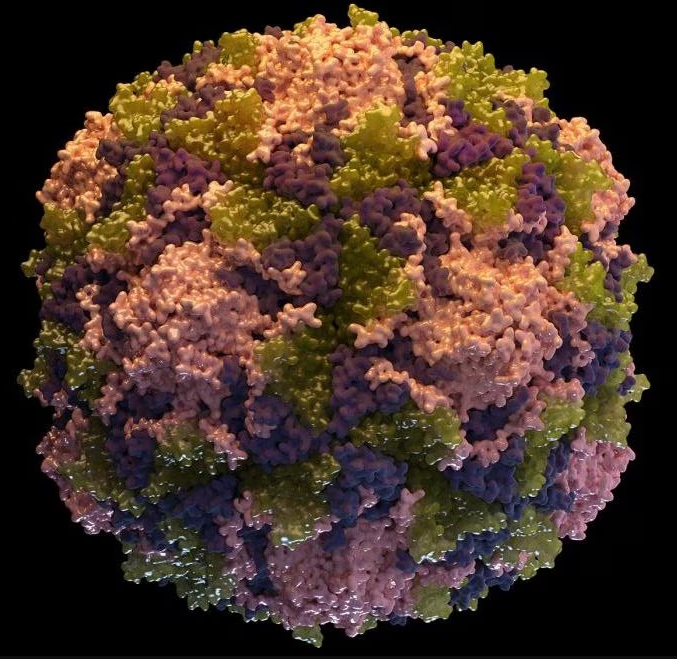
Polio is caused by the poliovirus, which spreads through contaminated water, food, or close contact with an infected person. It attacks the nervous system, potentially leading to paralysis, muscle weakness, and mobility issues.
2. How Many People Does It Affect?
Once one of the most feared diseases, polio paralyzed hundreds of thousands annually before vaccination. Before vaccines were introduced, polio affected hundreds of thousands of people annually, primarily children. The worst U.S. outbreak was in 1952, with 57,879 cases, resulting in 3,145 deaths and 21,269 cases of paralysis. Thanks to the Global Polio Eradication Initiative launched in 1988, cases have dropped by over 99%—from 350,000 cases in 1988 to 12 reported cases in 2023. However, polio remains endemic in just two countries: Afghanistan and Pakistan, and unvaccinated populations remain at risk.
3. Is There a Cure?
There is no cure, but prevention through vaccination is highly effective. For those who have already had polio, treatments focus on managing symptoms, improving mobility, and maintaining a good quality of life. Physical therapy strengthens weakened muscles, and assistive devices like braces and wheelchairs enable independence.
4. How Does Polio Affect Families?
When someone develops polio or post-polio syndrome, it impacts families physically, emotionally, and financially. Loved ones often take on caregiving roles, assist with mobility, and help navigate daily life. Finding ways to maintain independence and social inclusion is crucial for both the individual and their family. Support groups and therapies can help families navigate these challenges together.
5. How Can Spending Time Outdoors Help Survivors?
Getting outside is essential for both mental and physical health. For polio survivors, outdoor time offers improved mental well-being through reduced stress and boosted mood, increased mobility from gentle activities that strengthen muscles, and greater social engagement through outdoor activities that prevent isolation. Unfortunately, many individuals with mobility challenges avoid outdoor adventures due to difficult terrain and inaccessible locations.
6. How Can an All-Terrain Wheelchair Help?
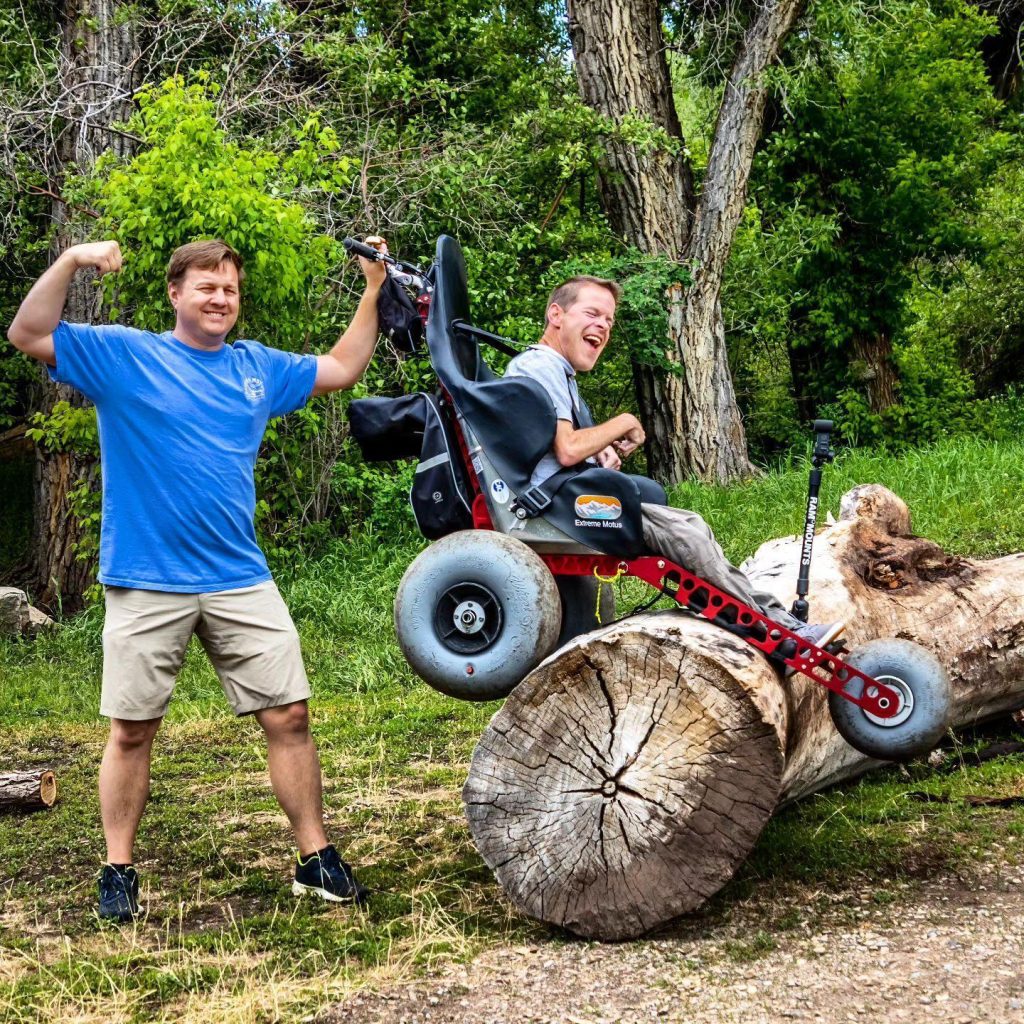
Many traditional wheelchairs struggle with uneven surfaces, limiting where users can go. An all-terrain wheelchair like the Extreme Motus helps polio survivors reclaim their freedom by allowing them to explore hiking trails, beaches, and parks without limitations; navigate rough terrains easily thanks to oversized, low-pressure tires; and reduce strain on caregivers, making outings more enjoyable for everyone.
7. What Is the Extreme Motus All-Terrain Wheelchair?
The Extreme Motus All Terrain Wheelchair is a lightweight, foldable, and durable wheelchair designed for adventure. With large low-pressure tires that act as suspension, it provides a smooth ride over rugged terrain, making the outdoors accessible for individuals with mobility impairments, including polio survivors. Survivors of this disease shouldn’t have to miss out on life’s adventures. Spending time outdoors improves mental and physical health, and the Extreme Motus All-Terrain Wheelchair makes it possible.
Frequently Asked Questions
What is polio in simple terms?
Polio is a viral infection caused by the poliovirus, spread through contaminated food or water. It attacks the nervous system, potentially causing paralysis, leg weakness, or loss of sensation. Severity ranges from mild illness to permanent paralysis.
Is polio still a threat today?
Polio is nearly eradicated globally due to vaccination efforts. As of 2023, 12 cases were reported worldwide, mostly in Afghanistan and Pakistan. However, unvaccinated populations remain at risk, making continued vaccination crucial to prevent resurgence.
What is post-polio syndrome?
Post-polio syndrome affects 25-50% of polio survivors, causing renewed muscle weakness, fatigue, and pain decades after initial infection. It results from deterioration of nerve cells affected by the original virus. Treatments include physical therapy, assistive devices, and outdoor mobility aids.
Can outdoor activities help polio survivors?
Yes. Outdoor time reduces stress, improves mood, encourages gentle movement to strengthen muscles, and provides vital social connection. For those with mobility challenges, all-terrain wheelchairs make outdoor access possible without relying on pavement-only standard chairs.
What kind of wheelchair is best for polio survivors?
An all-terrain wheelchair like the Extreme Motus works best for outdoor activities. Look for one with balloon tires (to handle sand and gravel), lightweight construction (under 50 lbs for transport), shock absorption for comfort, and customizable seating with good back support.
How can polio survivors find community?
Support groups, post-polio syndrome organizations, and outdoor activity clubs help survivors connect. Spending time outdoors with family and friends combats isolation. Organizations like the American Polio Society and Post-Polio Health International offer resources and community.
How it all started - Meet Sam & Ryan
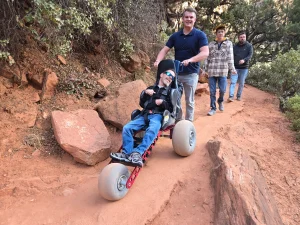
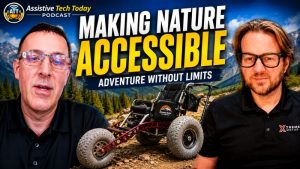
Since 2019, Sam and Ryan have been demonstrating that nature is wheelchair accessible with the Extreme Motus All Terrain Wheelchair. From National Parks to Skateparks, their adventures prove that a manual off-road wheelchair can offer laughter and joy while navigating diverse terrains.
Join us as we continue to share these inspiring journeys.
Discover Freedom with the Extreme Motus All Terrain Wheelchair
Light, comfortable, and compact, the Extreme Motus glides over sand, rocks, grass, gravel, and even floats in water.
It's more than a outdoor wheelchair; it's your ticket to freedom. Embrace the outdoors with confidence, knowing our off-road wheelchair is engineered for durability and ease of use.
Be the first to hear about new gear, upcoming adventures, and exclusive offers. As a welcome gift, you'll get a $100 coupon toward the Motus All-Terrain Wheelchair — delivered straight to your inbox.
By subscribing you agree to receive marketing communications from Extreme Motus, including product updates, promotions, and special offers. I understand I can unsubscribe at any time.