

Quick answer: Guillain-Barré syndrome (GBS) is a rare but serious post-infectious autoimmune disorder affecting approximately 1 in 100,000 people annually. Most individuals recover within 6-12 months with early intervention using intravenous immunoglobulin (IVIG) or plasmapheresis. Recovery progresses from acute paralysis through rehabilitation, enabling outdoor engagement and family participation.
Guillain-Barré Syndrome (GBS) is a rare but serious neurological condition characterized by acute paralysis and muscle weakness. While the condition presents profound challenges, understanding its nature, treatment landscape, and recovery pathway—alongside access to supportive mobility solutions—helps individuals and families navigate recovery with hope and agency. Here’s what you need to know.
1. What Causes Guillain-Barré Syndrome?
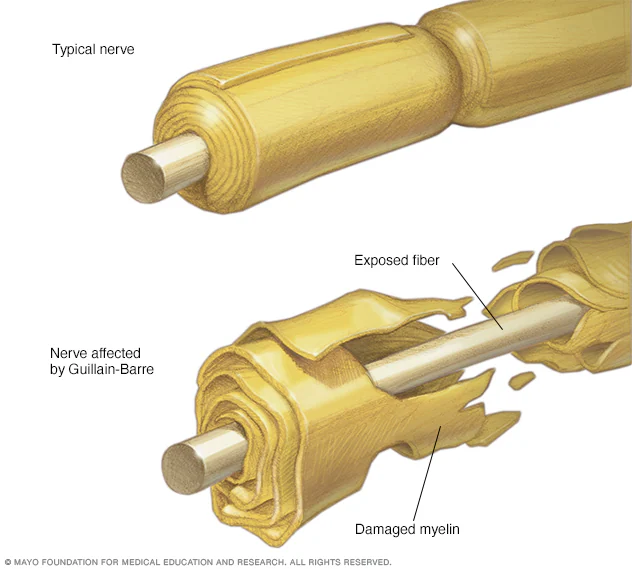
GBS is a rare post-infectious autoimmune disorder in which the body’s immune system mistakenly attacks the peripheral nervous system—the nerves controlling voluntary muscle movement. This attack demyelinates nerve fibers (strips away protective myelin), leading to rapid-onset paralysis.
Common Infectious Triggers (typically 3-6 weeks prior):
- Campylobacter jejuni: Gram-negative bacterium associated with gastrointestinal food-borne infection (most common identified trigger).
- Influenza Virus: Seasonal and pandemic strains have preceded GBS onset.
- Epstein-Barr Virus (EBV): Common herpesvirus linked to GBS in some cases.
- Zika Virus: 2016 Zika outbreak linked to significant GBS cluster in Latin America.
- SARS-CoV-2 (COVID-19): Temporal association observed in multiple studies; GBS onset typically 5-11 days post-symptom onset.
Other rare triggers include vaccinations, surgery, or physical trauma, though the precise autoimmune mechanism remains under investigation.
2. How Many People Are Affected by GBS?
Guillain-Barré Syndrome is rare, affecting approximately 1 in 100,000 people annually in the United States and globally. While it can affect individuals of any age, it occurs more frequently in adults, with a slight male predominance. The incidence remains stable year-to-year, though seasonal variations linked to infectious agents have been observed.
3. What Are the Evidence-Based Treatments for GBS?
Early intervention is critical. The two primary immunotherapies halt disease progression and accelerate recovery:
- Intravenous Immunoglobulin (IVIG): Delivers healthy immunoglobulins intravenously to counteract pathogenic autoantibodies attacking peripheral nerves. Typical dosing is 0.4 g/kg daily for five days (total 2 g/kg). Treatment usually begins within 2-4 weeks of symptom onset for maximal effect.
- Plasma Exchange (Plasmapheresis): Removes circulating antibodies and immune complexes from blood plasma. Equally effective to IVIG; both treatments produce comparable recovery timelines and outcomes. Selection depends on individual factors and institutional protocols.
Supportive Care:
- Intensive Care Monitoring: Close observation for respiratory muscle involvement requiring mechanical ventilation (approximately 20-30% of patients).
- Physical and Occupational Therapy: Critical during recovery to restore strength, balance, and functional mobility.
- Pain Management: Neuropathic pain during recovery requires targeted pharmacotherapy.
There is no definitive cure, but most patients show marked improvement with early immunotherapy.
4. What Is the Recovery Timeline for GBS?
Recovery from GBS follows a generally predictable but variable trajectory:
- Acute Phase (Weeks 1-4): Paralysis reaches maximum extent, typically within 1-3 weeks of symptom onset.
- Plateau Phase (Weeks 2-4): Symptoms stabilize; immunotherapy halts further decline.
- Recovery Phase (6-12 months for most): Progressive restoration of strength and function. Key milestones include: 80% of adults can walk independently by six months post-diagnosis; 60% achieve complete motor recovery by twelve months.
- Extended Recovery (Beyond 12 months): Some individuals experience ongoing improvement for 2-3 years; approximately 30% of adults report residual weakness or fatigue at the 3-year mark.
Individual recovery varies based on disease severity at onset, age, and responsiveness to early treatment.
5. What Is the Mortality Risk Associated with GBS?
GBS mortality has declined dramatically with modern critical care and immunotherapy. Current estimates vary by timeframe:
- Acute Phase Mortality (worst symptoms): Less than 2% in modern healthcare settings with appropriate respiratory support.
- 6-Month Mortality: Approximately 2.8%.
- 12-Month Mortality: Approximately 3.9%, which aligns with the historical 3-5% range often cited.
- Long-Term Mortality (2-5 years): Approximately 5%, rising to 8% at the 10-year mark, primarily from complications rather than active GBS.
Most deaths occur during the recovery phase from respiratory or cardiovascular complications, underscoring the importance of intensive care monitoring during the acute phase.
6. Why Is Outdoor Activity Important During GBS Recovery?
As paralysis resolves and strength gradually returns, outdoor engagement offers critical recovery support:
- Physical Rehabilitation: Gentle outdoor movement in supportive settings aids muscle re-innervation and proprioceptive recovery.
- Mental Health and Resilience: After acute hospitalization and paralysis, nature exposure reduces post-traumatic stress, depression, and anxiety common in GBS survivors.
- Normalization and Agency: Outdoor participation signals return to baseline life and fosters psychological momentum in recovery.
- Social Reconnection: Family and community re-engagement through outdoor activity combats isolation inherent to recovery.
7. How Does GBS Affect Family Caregivers?
GBS impacts not just the individual but entire family systems:
- Trauma and Stress: Witnessing sudden paralysis and ICU hospitalization creates acute psychological strain for family members.
- Caregiving Burden: Family members provide 24/7 support during acute phase and intensive assistance during recovery, risking caregiver burnout.
- Financial Impact: ICU stays, immunotherapy, and extended rehabilitation create significant healthcare costs. Lost wages from caregiving duties compound financial stress.
- Relationship Adjustments: Role reversals and dependency during recovery require psychological adaptation and communication.
Shared outdoor activities during recovery provide families with positive experiences, hope, and renewed connection beyond hospital walls.
8. How All-Terrain Wheelchairs Support GBS Recovery and Independence
During the recovery phase and for individuals with residual weakness, all-terrain wheelchairs bridge the gap between rehabilitation goals and outdoor participation:
- Progressive Mobility Options: Allows participation in outdoor family activities while post-GBS weakness persists, supporting psychological recovery and preventing secondary deconditioning.
- Safety and Stability: Shock-absorbing suspension and secure frame minimize fall risk during uneven terrain navigation—critical for individuals with balance or proprioceptive deficits from GBS.
- Energy Conservation: Residual fatigue (common in 30% of post-GBS individuals) is managed by reducing lower-body exertion while maintaining outdoor engagement.
- Terrain Accessibility: Navigates parks, trails, and beaches—environments critical for psychological recovery and family integration.
As strength returns, the wheelchair serves as a confidence-building tool, enabling gradual return to independent ambulation without abandoning outdoor experiences.
The Extreme Motus All-Terrain Wheelchair for GBS Recovery
The Extreme Motus All-Terrain Wheelchair provides GBS survivors with a specialized tool for safe, dignified outdoor participation during recovery and beyond. By addressing the unique challenges of post-GBS weakness, fatigue, and balance deficits, this wheelchair accelerates psychological and physical recovery while fostering family reconnection.
Design Features Supporting GBS Recovery
1. Advanced Suspension for Neurologically-Sensitive Individuals
- Shock-absorbing suspension minimizes jolts and vibrations that could exacerbate residual neuropathic pain or balance disturbances.
- Smooth ride promotes comfortable outdoor exploration without triggering symptom flares.
2. Stability and Fall Prevention
- Low center of gravity and wide wheelbase provide exceptional lateral stability on uneven terrain.
- Protective design reduces injury risk for individuals with proprioceptive or balance deficits from post-GBS residual neurological effects.
3. All-Terrain Navigation
- Handles sand, gravel, grass, and dirt trails—opening access to parks, beaches, and natural spaces during recovery.
- Durable components withstand frequent use and challenging outdoor conditions.
4. Fatigue and Exertion Management
- Eliminates lower-body exertion, critical for individuals with residual GBS-related fatigue.
- Enables longer outdoor engagement than ambulation would permit, supporting recovery goals without physical compromise.
5. Psychological Support Through Normalcy
- Facilitates family outings, community participation, and recreational activities—essential components of post-trauma recovery.
- Restores independence and agency during the vulnerable recovery phase.
Frequently Asked Questions About GBS and Recovery
Q: Is GBS always fatal or permanently disabling?
A: No. Modern treatment has transformed GBS outcomes. Fewer than 2% of acute patients die with appropriate intensive care. Approximately 60% achieve complete motor recovery within one year; 92% show complete or minor residual effects by year one. While some individuals experience long-term fatigue or mild weakness, the majority return to independent function.
Q: How soon can GBS survivors begin outdoor activity?
A: Timing depends on medical stability and individual recovery. During acute hospitalization, outdoor activity is limited. During recovery (weeks 4 onwards), supported outdoor engagement under medical supervision accelerates rehabilitation. An all-terrain wheelchair enables safe participation before full ambulation returns.
Q: Will GBS come back?
A: True GBS recurrence is extremely rare (less than 3% of cases). However, a variant called chronic inflammatory demyelinating polyneuropathy (CIDP) may develop in some individuals, requiring ongoing neurological monitoring. Discuss long-term prognosis with your neurologist.
Q: How can families support GBS patients emotionally?
A: Acknowledge the trauma of acute illness while emphasizing recovery potential. Support outdoor participation as soon as medically safe, advocate for mental health care (GBS survivors commonly experience PTSD), and provide consistent presence during the often-lengthy recovery process.
Q: Are there support groups for GBS survivors?
A: Yes. The GBS/CIDP Foundation International provides peer support, educational resources, and connecting survivors and families with shared experience. Professional counseling specializing in post-acute illness trauma is also recommended.
Conclusion
Guillain-Barré syndrome represents a medical emergency that demands rapid recognition and early treatment, but it is not a death sentence. With appropriate immunotherapy, intensive care, and rehabilitation, most individuals achieve substantial recovery and return to independent function. Outdoor engagement—facilitated by mobility solutions like all-terrain wheelchairs—supports both the physical and psychological dimensions of recovery, fostering hope, family connection, and a pathway back to meaningful life.
Ryan Grassley · ryan@extrememotus.com
Sources: CDC, NIH/NINDS, Mayo Clinic, Cleveland Clinic, GBS/CIDP Foundation International, PubMed Central
How it all started - Meet Sam & Ryan
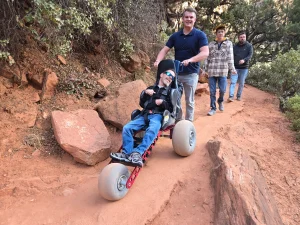
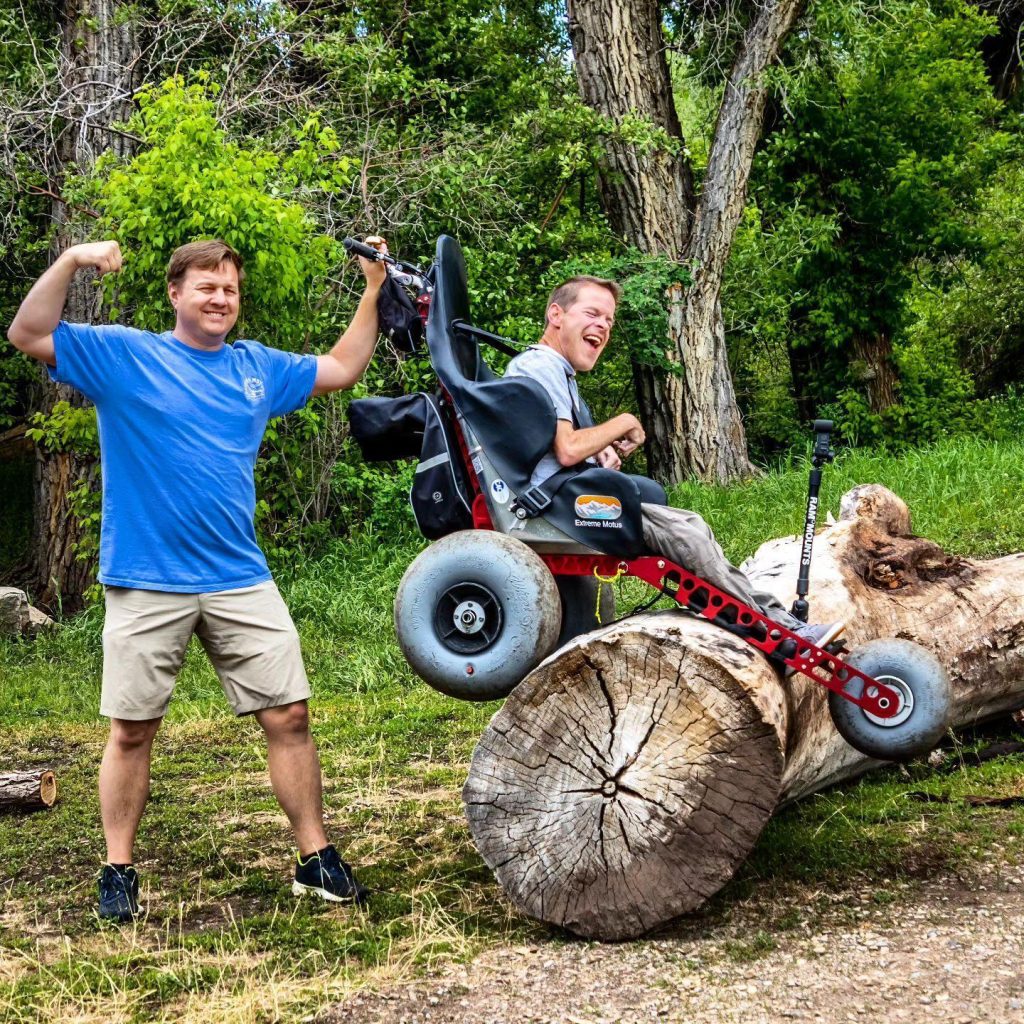
Since 2019, Sam and Ryan have been demonstrating that nature is wheelchair accessible with the Extreme Motus All Terrain Wheelchair. From National Parks to Skateparks, their adventures prove that a manual off-road wheelchair can offer laughter and joy while navigating diverse terrains.
Join us as we continue to share these inspiring journeys.
Discover Freedom with the Extreme Motus All Terrain Wheelchair
Light, comfortable, and compact, the Extreme Motus glides over sand, rocks, grass, gravel, and even floats in water.
It's more than a outdoor wheelchair; it's your ticket to freedom. Embrace the outdoors with confidence, knowing our off-road wheelchair is engineered for durability and ease of use.
Be the first to hear about new gear, upcoming adventures, and exclusive offers. As a welcome gift, you'll get a $100 coupon toward the Motus All-Terrain Wheelchair — delivered straight to your inbox.
By subscribing you agree to receive marketing communications from Extreme Motus, including product updates, promotions, and special offers. I understand I can unsubscribe at any time.