

Severe diabetes complications, including amputations, are life-altering challenges affecting millions. These complications impact physical mobility and mental well-being, yet spending time outdoors and using assistive devices like all-terrain wheelchairs can provide both physical and emotional relief.
Quick answer: Approximately 38 million Americans have diabetes, with about 150,000 diabetes-related lower-limb amputations occurring annually in the US. Peripheral neuropathy affects roughly 50% of people with diabetes, making foot care critical for prevention. With proper management and outdoor activity, individuals can maintain independence and quality of life.
1. What Causes Severe Diabetes Complications Leading to Amputations?
Diabetes-related amputations result from a cascade of complications:
- Peripheral Neuropathy: Approximately 50% of people with diabetes develop nerve damage, reducing sensation and making foot injuries go unnoticed.
- Poor Circulation: Reduced blood flow to extremities impairs healing and increases infection risk.
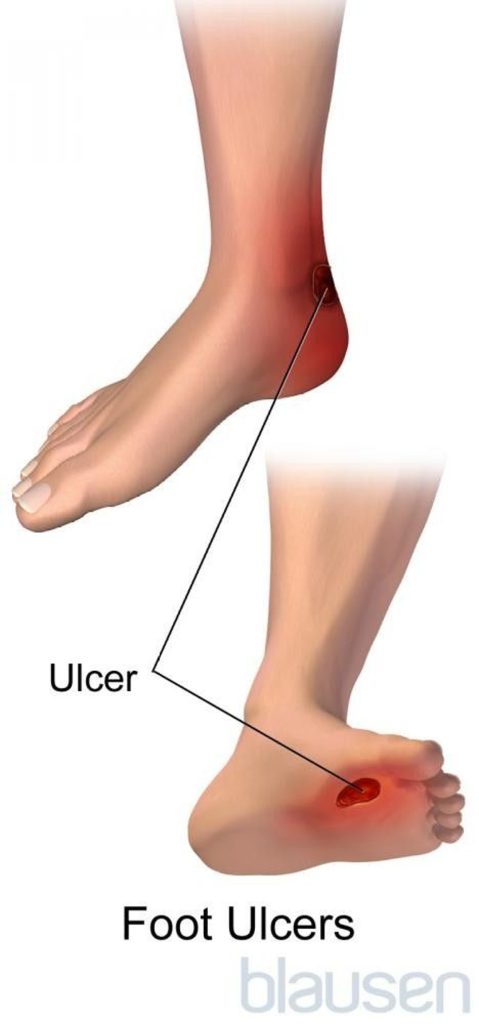
- Diabetic Foot Ulcers: About 1 in 5 people with diabetes develop foot ulcers, a common pathway to amputation if untreated.
- Infections: Wounds that become infected and fail to heal may require amputation.
- Uncontrolled Blood Sugar: Persistent hyperglycemia accelerates tissue and nerve damage.
2. How Many People Are Affected by Diabetes-Related Amputations?
Diabetes prevalence and amputation rates are significant in the United States and globally. Approximately 38 million Americans have diabetes, and roughly 150,000 lower-limb amputations occur annually in the US due to diabetes-related complications. Globally, the burden is far greater, with diabetes affecting over 400 million people worldwide. Early intervention and proper foot care can prevent many amputations.
3. What Are the Primary Treatments for Diabetes-Related Amputations?
Treatment focuses on preventing amputation when possible, managing blood sugar, and adapting to life after amputation:
- Preventive Foot Care: Regular inspection, proper hygiene, and early wound treatment to prevent ulcers from progressing.
- Blood Sugar Management: Medications, insulin, and dietary changes to maintain glycemic control and slow complications.
- Infection Control: Antibiotics and wound care to prevent or treat infections.
- Vascular Interventions: In some cases, procedures improve blood flow to at-risk limbs.
- Physical Therapy and Prosthetics: After amputation, rehabilitation and custom prosthetics restore functionality and mobility.
4. Is There a Cure for Diabetes?
Currently, there is no cure for diabetes, but it can be effectively managed through medication, lifestyle modifications, and medical supervision. Type 2 diabetes can sometimes enter remission with significant weight loss and blood sugar control. Advances in immunotherapy and islet cell transplantation show promise for future treatments.
5. Why Is Spending Time Outdoors Important for People with Diabetes-Related Amputations?
Outdoor activity provides measurable physical and emotional benefits for individuals managing life after amputation:
- Improves Circulation: Light activity outdoors enhances blood flow and reduces swelling in remaining limbs.
- Supports Mental Health: Nature exposure reduces stress, depression, and anxiety—common challenges after amputation.
- Maintains Weight Control: Accessible outdoor activities support healthy weight management, critical for diabetes control.
- Boosts Confidence: Successfully navigating outdoor environments fosters independence and self-esteem.
- Sunlight and Vitamin D: Natural sunlight supports immune function and bone health.
6. How Does Amputation Affect the Family?
A diabetes-related amputation profoundly impacts the entire family unit:
- Emotional Toll: Family members process grief, anxiety, and uncertainty about their loved one’s future.
- Caregiving Burden: Family members often provide transportation, assistance with daily tasks, and emotional support.
- Financial Strain: Prosthetics, assistive devices, and ongoing medical care create significant expenses.
- Lifestyle Adjustments: Families must adapt routines and find inclusive activities everyone can participate in together.
Shared outdoor experiences can help families reconnect and build positive memories after such a life-changing event.
7. How Can Assistive Devices Improve Outdoor Access?
For individuals with mobility challenges after amputation, specialized equipment opens access to nature:
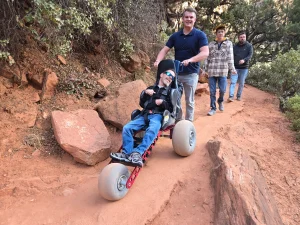
- All-Terrain Wheelchairs: Designed to navigate uneven terrain including gravel, sand, grass, and forest trails.
- Enhanced Stability: Shock-absorbing suspensions provide smooth rides and reduce discomfort.
- Independence: Users can explore outdoor spaces with minimal or no assistance from others.
- Family Inclusion: Makes group outings and activities more accessible for everyone.
8. What Makes the Extreme Motus All-Terrain Wheelchair Ideal for Diabetes-Related Mobility Challenges?
The Extreme Motus all-terrain wheelchair is engineered specifically for individuals managing severe diabetes complications and amputation-related mobility loss:
- Terrain Versatility: Handles trails, beaches, gravel, and uneven surfaces standard wheelchairs cannot navigate.
- Ergonomic Support: Reduces pressure sores and strain while promoting proper circulation.
- Energy Efficiency: Conserves physical effort, critical for users managing diabetes-related fatigue.
- Durability and Safety: Built for reliability in challenging outdoor environments.
- Social Integration: Enables participation in family activities and community events without barriers.
Extreme Motus: Mobility That Transforms Lives
The Extreme Motus All-Terrain Wheelchair empowers individuals managing severe diabetes and its complications to reclaim independence, reconnect with nature, and engage fully in life. Beyond mobility, it restores confidence and enables meaningful experiences with loved ones.
Conclusion: Reclaim Freedom and Reconnect with Nature
Living with severe diabetes complications, including amputations, is challenging, but it need not define one’s life or limit outdoor experiences. With proper management, supportive assistive devices, and access to nature, individuals can maintain independence, mental wellness, and meaningful connections. The Extreme Motus all-terrain wheelchair transforms mobility challenges into possibilities for adventure and healing.
Ryan Grassley · ryan@extrememotus.com
Frequently Asked Questions
Can diabetes-related amputations be prevented?
Many amputations can be prevented with early detection, proper foot care, tight blood sugar control, and prompt treatment of foot ulcers. Regular foot exams and preventive measures are essential.
How long is recovery after amputation?
Physical recovery typically takes 3-6 months, while psychological adjustment may take considerably longer. Prosthetic fitting and rehabilitation are ongoing processes tailored to individual needs.
Is outdoor activity safe after amputation?
Yes. With appropriate assistive devices and medical clearance, outdoor activity is not only safe but therapeutically beneficial for physical and mental health.
What should I look for in an all-terrain wheelchair?
Key features include shock-absorbing suspension, durable frame, ergonomic seating, ease of maneuverability, and proven performance on varied terrain types.
How can family members support someone after amputation?
Support includes emotional encouragement, assistance with rehabilitation, facilitating outdoor and social activities, and helping manage practical life adjustments. Professional counseling can benefit both the individual and family.
Does insurance cover all-terrain wheelchairs?
Coverage varies. Many insurance plans cover basic mobility devices, though specialized all-terrain models may have different approval requirements. Contact your insurer and a mobility specialist for details.
How it all started - Meet Sam & Ryan
Since 2019, Sam and Ryan have been demonstrating that nature is wheelchair accessible with the Extreme Motus All Terrain Wheelchair. From National Parks to Skateparks, their adventures prove that a manual off-road wheelchair can offer laughter and joy while navigating diverse terrains.
Join us as we continue to share these inspiring journeys.
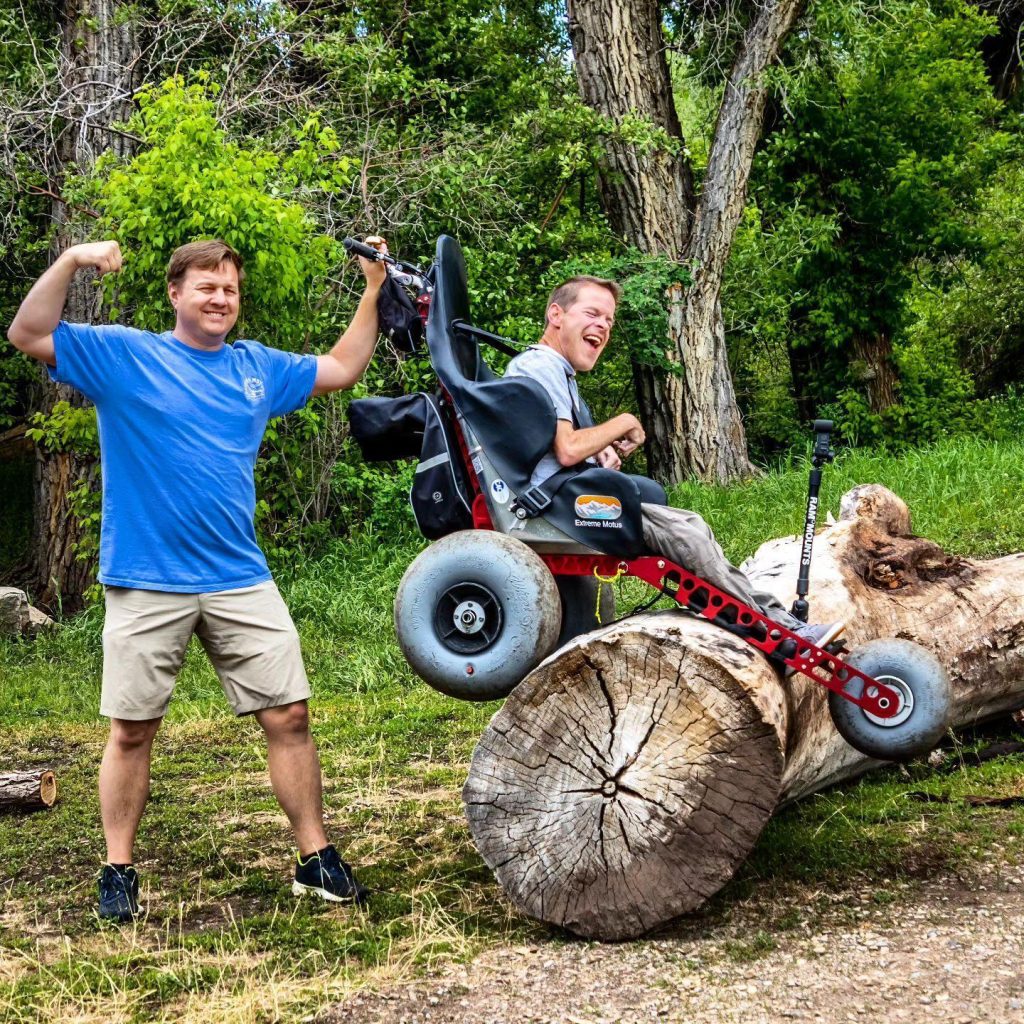
Discover Freedom with the Extreme Motus All Terrain Wheelchair
Light, comfortable, and compact, the Extreme Motus glides over sand, rocks, grass, gravel, and even floats in water.
It's more than a outdoor wheelchair; it's your ticket to freedom. Embrace the outdoors with confidence, knowing our off-road wheelchair is engineered for durability and ease of use.
Be the first to hear about new gear, upcoming adventures, and exclusive offers. As a welcome gift, you'll get a $100 coupon toward the Motus All-Terrain Wheelchair — delivered straight to your inbox.
By subscribing you agree to receive marketing communications from Extreme Motus, including product updates, promotions, and special offers. I understand I can unsubscribe at any time.