

What is a Stroke?
Quick answer: Stroke affects nearly 795,000 Americans annually and is the fifth leading cause of death. Outdoor activities during recovery improve mobility, mental health, and quality of life—making time in nature a critical complement to standard rehabilitation.
Stroke, or cerebrovascular accident (CVA), is a serious medical emergency where blood flow to the brain is blocked, either by clots or rupture. It remains a leading cause of long-term disability in the United States. While medical treatments and rehabilitation therapies are essential in stroke recovery, spending time outdoors offers unique physical, psychological, and emotional benefits that accelerate healing and improve quality of life. For families and caregivers of stroke survivors, being outdoors also provides a shared experience that fosters connection and encouragement.
Extreme Motus customer Henry Evans uses his all-terrain wheelchair to spend time outdoors with his family.
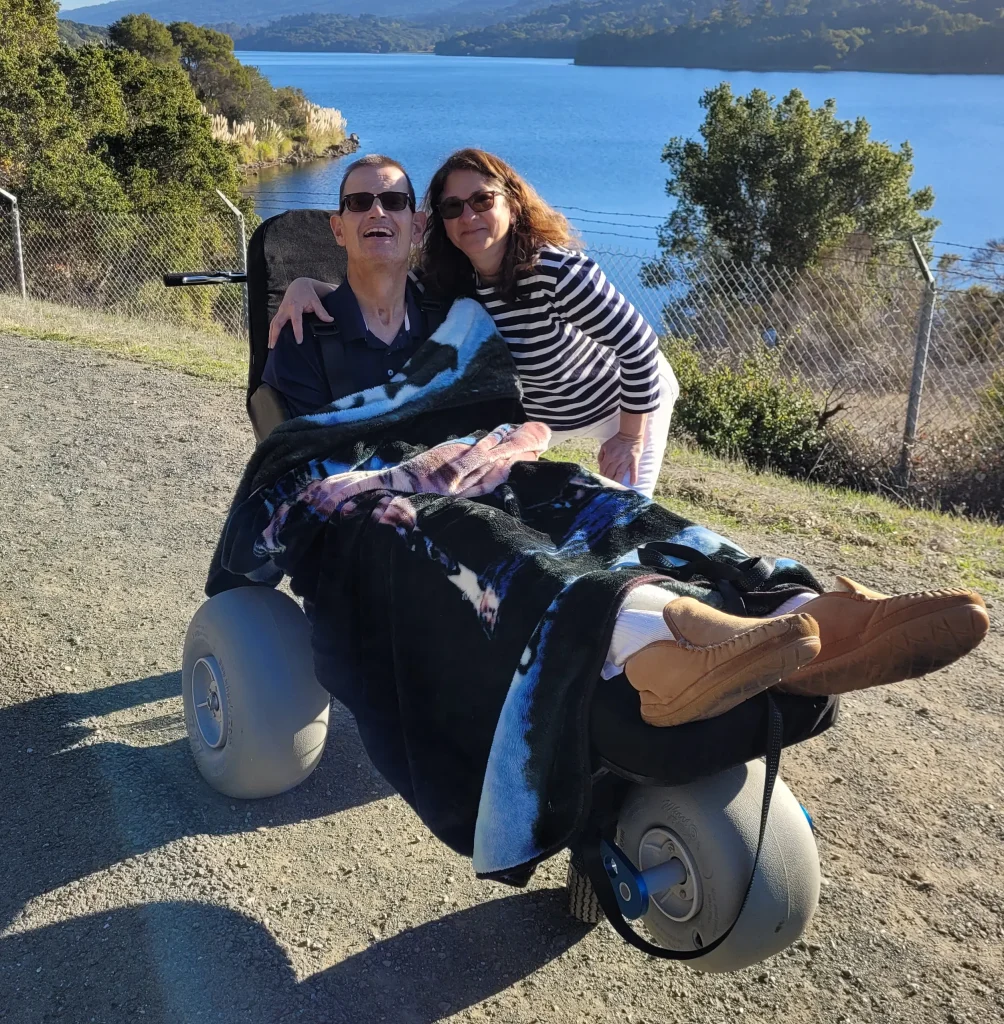
In this blog post, we’ll explore why outdoor activities are essential for stroke survivors and how tools like the Extreme Motus all-terrain wheelchair can make these experiences accessible and enjoyable.
1. Physical Rehabilitation Benefits
Outdoor environments encourage stroke survivors to engage in physical activities such as rolling along trails, navigating paths, or simply enjoying fresh air. These activities promote:
- Improved Mobility: Outdoor movement stimulates muscle activity and aids in building strength, coordination, and endurance critical during post-stroke rehabilitation.
- Cardiovascular Health: Gentle outdoor activities, like wheelchair-friendly hikes, support heart health and circulation, reducing secondary stroke risk.
- Balance and Posture: Navigating uneven terrain, even with assistance, challenges core stability and aids recovery of motor control.
2. Mental Health and Emotional Well-Being
Nature has a profound impact on mental health, offering:
- Stress Reduction: Being outdoors reduces cortisol levels, alleviating stress and anxiety commonly experienced post-stroke.
- Improved Mood: Sunshine and fresh air release endorphins, contributing to a sense of happiness and accomplishment.
- Cognitive Stimulation: Observing natural surroundings can improve attention, memory, and overall cognitive function affected by stroke.
3. Social Connection and Family Bonding
For many stroke survivors, the journey to recovery can feel isolating. Spending time outdoors offers:
- Shared Experiences: Families and friends can join in, creating moments of connection and joy.
- Community Engagement: Accessible parks and trails often host groups and events where survivors can meet others with similar experiences.
4. Building Confidence and Independence
Spending time outdoors empowers stroke survivors to reclaim parts of their independence. The ability to explore nature, even with assistance, instills a sense of achievement and confidence in one’s abilities.
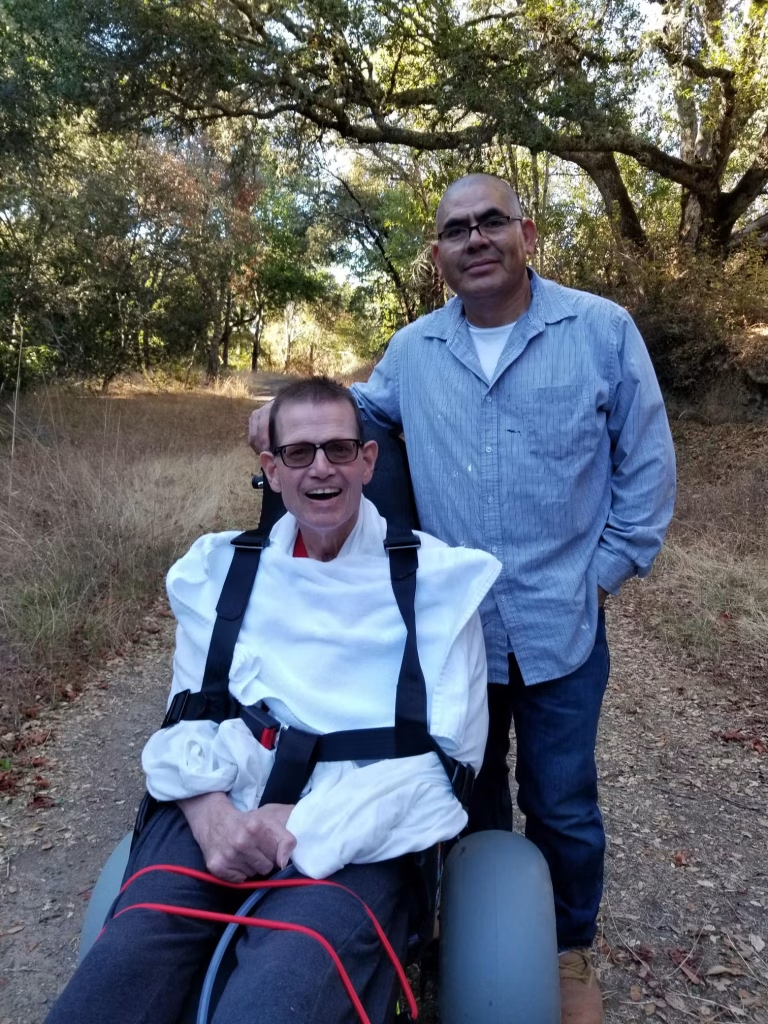
The Role of All-Terrain Wheelchairs in Accessibility
Challenges in Outdoor Mobility
Traditional wheelchairs are often designed for smooth indoor surfaces, limiting access to natural environments. Grass, gravel, sand, and uneven terrain present significant barriers for many stroke survivors. These limitations can discourage individuals and their families from venturing outdoors.
How the Extreme Motus All-Terrain Wheelchair Helps
The Extreme Motus all-terrain wheelchair is a game-changer for accessibility. Its innovative design and robust features make it an ideal companion for outdoor adventures:
- Oversized, Air-Filled Tires: These provide excellent shock absorption and allow for smooth navigation over rocky trails, sandy beaches, or muddy paths.
- Lightweight Frame: Built with durable yet lightweight materials, it’s easy to maneuver and transport.
- Ergonomic Seating: Designed for comfort, the seat ensures proper support during extended outdoor activities.
- Assistance-Friendly Handles: Families or caregivers can easily push the wheelchair, allowing for teamwork in challenging terrains.
With the Extreme Motus, stroke survivors and their families can confidently tackle terrains that were previously inaccessible, expanding the range of activities they can enjoy together.
Outdoor Activities for Stroke Survivors and Families
- Nature Walks and Hikes – Explore wheelchair-accessible trails in local parks or nature reserves. The Extreme Motus makes even uneven paths manageable, ensuring stroke survivors can immerse themselves in nature.
- Beach Outings – Soft sand can be a challenge for standard wheelchairs, but the Extreme Motus excels in this environment. Enjoy a day by the ocean, complete with the calming sound of waves and the therapeutic benefits of sea air.
- Picnics and Gatherings – Visit outdoor spaces with family and friends. Green spaces foster relaxation and offer an opportunity for social connection in a non-clinical setting.
- Gardening – Adaptive gardening setups in backyards or community spaces allow stroke survivors to engage in a rewarding activity while enjoying the benefits of fresh air and sunlight.
- Local Events and Markets – Farmers’ markets, outdoor concerts, or festivals provide an engaging way to participate in the community while enjoying the outdoors.
Tips for a Successful Outdoor Experience
- Plan Ahead – Research wheelchair-accessible trails, parks, or facilities. Check weather conditions to ensure comfort and safety.
- Prioritize Comfort – Dress appropriately for the weather and bring essentials like water, sunscreen, and snacks. Ensure the wheelchair’s seating is adjusted for maximum comfort.
- Involve the Survivor in Planning – Ask for their input on where to go and what activities to include. This ensures the outing feels collaborative and empowering.
- Take Breaks as Needed – Recognize that fatigue is common post-stroke. Schedule rest periods during the outing to prevent exhaustion.
- Celebrate Achievements – Acknowledge the survivor’s effort and progress, no matter how small. Every outdoor adventure is a step forward in recovery.
What is the Extreme Motus All-Terrain Wheelchair?
FAQ: Stroke Recovery and Outdoor Activities
How long does stroke recovery typically take?
Most improvements occur within the first three months, but recovery can continue for months or years with consistent rehabilitation and lifestyle modifications. Outdoor activities can be incorporated as part of long-term recovery planning with medical guidance.
Is outdoor activity safe for stroke survivors?
Yes, when properly planned and monitored. Always consult with healthcare providers to determine appropriate activity levels. Start with short outings and gradually increase duration as tolerance improves.
Can all stroke survivors use an all-terrain wheelchair?
Most can benefit, though individual needs vary. Consult occupational therapists or rehabilitation specialists to determine if an all-terrain wheelchair is appropriate for your specific situation.
What is the connection between outdoor time and mental health recovery?
Nature exposure reduces stress hormones, improves mood through sunlight exposure, and combats post-stroke depression and anxiety. Regular outdoor time supports both physical and emotional healing.
How do caregivers support a stroke survivor during outdoor activities?
Plan routes in advance, bring necessary medical supplies, monitor for signs of fatigue or discomfort, and encourage independence while remaining alert to safety concerns. Communicate openly about comfort levels and preferences.
Are there adaptive equipment options beyond wheelchairs?
Yes—walkers, canes, orthotic devices, and specialized seating can support varying levels of mobility. Work with rehabilitation professionals to identify the right tools for your recovery stage.
Conclusion
Spending time outdoors is an invaluable aspect of recovery and quality of life for stroke survivors and their families. It fosters physical rehabilitation, improves mental health, strengthens social bonds, and builds confidence. The Extreme Motus all-terrain wheelchair removes barriers to accessing these benefits, making outdoor adventures possible and enjoyable. Whether it’s a serene nature walk, a lively family picnic, or an exhilarating trip to the beach, the opportunities for connection and healing are endless.
Ryan Grassley · ryan@extrememotus.com
How it all started - Meet Sam & Ryan
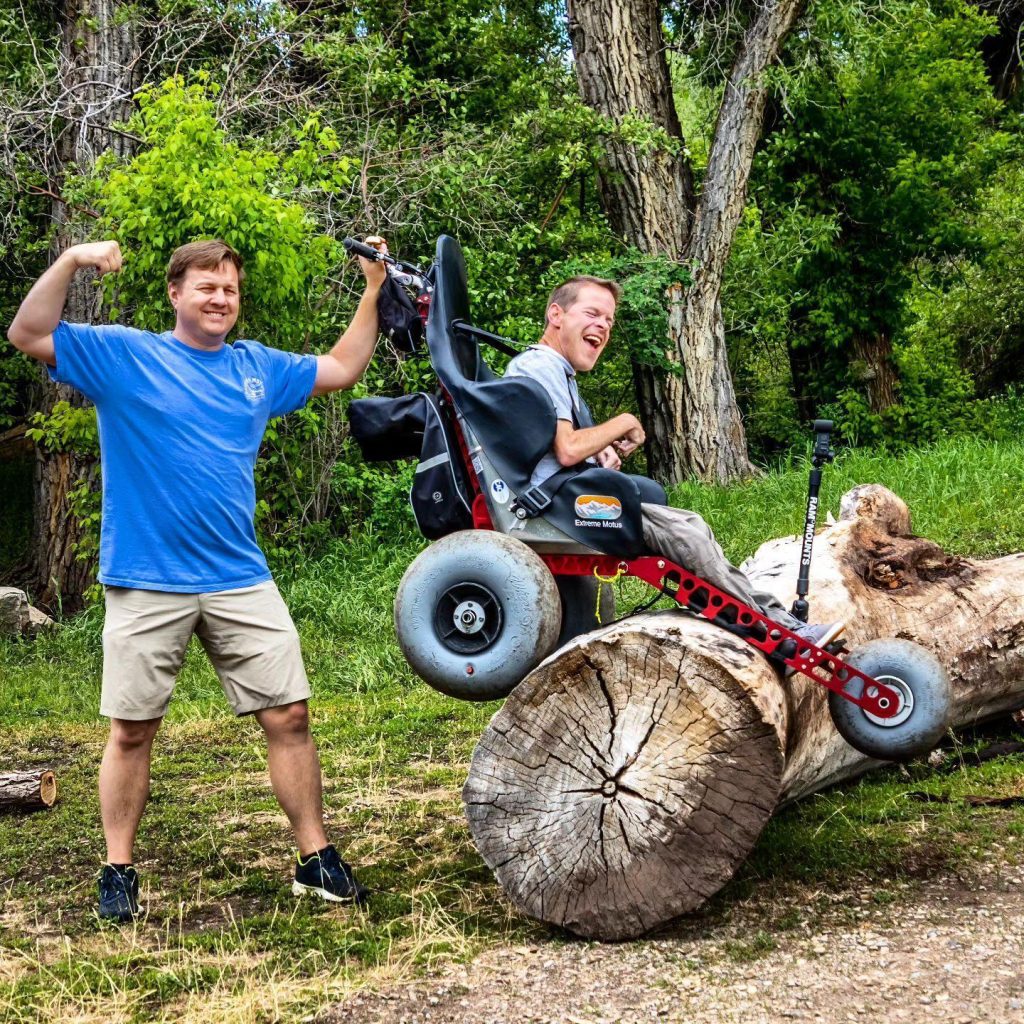
Since 2019, Sam and Ryan have been demonstrating that nature is wheelchair accessible with the Extreme Motus All Terrain Wheelchair. From National Parks to Skateparks, their adventures prove that a manual off-road wheelchair can offer laughter and joy while navigating diverse terrains.
Join us as we continue to share these inspiring journeys.
Discover Freedom with the Extreme Motus All Terrain Wheelchair
Light, comfortable, and compact, the Extreme Motus glides over sand, rocks, grass, gravel, and even floats in water.
It's more than a outdoor wheelchair; it's your ticket to freedom. Embrace the outdoors with confidence, knowing our off-road wheelchair is engineered for durability and ease of use.
Be the first to hear about new gear, upcoming adventures, and exclusive offers. As a welcome gift, you'll get a $100 coupon toward the Motus All-Terrain Wheelchair — delivered straight to your inbox.
By subscribing you agree to receive marketing communications from Extreme Motus, including product updates, promotions, and special offers. I understand I can unsubscribe at any time.