

7 Key Insights About Traumatic Brain Injury (TBI) and the Benefits of Outdoor Activities
Quick answer: Traumatic brain injury (TBI) affects approximately 2.8 million Americans annually, with falls, motor vehicle crashes, and assaults as primary causes. Recovery occurs over months to years; outdoor activities substantially enhance both cognitive and emotional rehabilitation. All-terrain wheelchairs enable individuals with mobility-limiting TBI to safely access natural environments that support neural healing.
Traumatic brain injury is a life-altering condition affecting millions worldwide, presenting complex physical and cognitive challenges. However, strategic engagement with nature and outdoor rehabilitation supports recovery and improves quality of life for individuals with TBI.
The 7 Key Insights About Traumatic Brain Injury (TBI)
1. TBI Results from External Force Disrupting Brain Function
Traumatic brain injury occurs when an external force damages the brain, disrupting normal neurological function. Common causes include:
- Falls: The leading TBI cause, especially in older adults (ages 75+) and young children.
- Motor Vehicle Accidents: A significant contributor to moderate and severe TBI, accounting for substantial hospitalizations.
- Sports Injuries: Particularly from contact sports (football, boxing, soccer) and recreational activities.
- Violence: Including assault, gunshot wounds, and domestic injury.
- Explosive Blasts: Occurring in military and occupational settings.
- Workplace Accidents: Especially in construction and hazardous environments.
2. TBI Affects Millions of Americans Annually
According to CDC surveillance data, approximately 2.8 million people sustain a TBI in the United States each year. This includes:
- 2.5 million emergency department visits
- 282,000 hospitalizations
- 56,000 deaths annually
These figures underestimate total incidence, as many mild TBIs treated in primary care or left untreated go unreported. People aged 75+ and females account for significant proportions of TBI-related emergency visits and hospitalizations.
3. TBI Has No Cure—Focus Is Recovery and Function Optimization
Currently, there is no cure for traumatic brain injury. Treatment strategies prioritize stabilization, damage prevention, and functional restoration through:
- Emergency Stabilization: Preventing secondary brain injury and managing complications.
- Medications: Managing intracranial pressure, preventing seizures, and addressing secondary symptoms.
- Surgical Intervention: Removing hematomas, repairing fractures, or relieving pressure when necessary.
- Rehabilitation Therapies: Physical, occupational, and speech therapy targeting motor and cognitive recovery.
- Psychological Support: Addressing PTSD, depression, and behavioral changes.
- Assistive Technology: Mobility aids and adaptive devices supporting independence.
4. Recovery Occurs Over Months to Years With Greatest Gains Early
TBI recovery is a dynamic, long-term process with variable timelines:
- 0-6 Months: The brain experiences peak neuroplasticity; most rapid recovery occurs during this window.
- 6-12 Months: Approximately 64% of moderate TBI survivors show good cognitive recovery by 12 months, though gains continue.
- 1-2 Years: Substantial recovery can occur beyond the first year; approximately 75% of severe TBI survivors achieve favorable outcomes by 2 years.
- Long-term: Recovery continues for years; ongoing rehabilitation and lifestyle engagement support continued neural improvement.
Mild TBI (concussion) recovery typically occurs within 3 months; moderate and severe TBI recovery extends longer, often with residual effects.
5. TBI Affects Cognitive, Physical, Behavioral, and Social Function
TBI survivors commonly experience multi-domain challenges:
- Cognitive Deficits: Memory loss, attention difficulties, processing speed impairment (62% of moderate/severe TBI survivors).
- Physical Effects: Motor weakness, balance issues, fatigue, headaches (40% experience physical challenges).
- Behavioral Changes: Mood swings, irritability, impulsivity, emotional dysregulation (55% affected).
- Social Impact: Isolation, relationship strain, employment challenges, reduced community participation.
Even mild TBI produces lasting cognitive (43%) and behavioral effects (33%) in significant populations.
6. Outdoor Activity Substantially Enhances TBI Cognitive and Emotional Recovery
Nature engagement provides multiple recovery benefits for TBI survivors:
- Cognitive Restoration: Natural environments enhance attention, memory, and executive function—key deficits in TBI.
- Neurological Support: Mindfulness in nature reduces cognitive fatigue and promotes neuroplasticity.
- Mental Health: Outdoor time alleviates PTSD, anxiety, and depression common to TBI recovery.
- Physical Rehabilitation: Gentle outdoor activity improves balance, coordination, and motor function.
- Stress Reduction: Nature’s calming effect lowers cortisol and reduces emotional strain.
- Social Connection: Shared outdoor experiences combat isolation and rebuild relationships.
7. All-Terrain Wheelchairs Enable Safe, Independent Outdoor Participation
Mobility challenges often prevent TBI survivors from accessing outdoor rehabilitation. All-terrain wheelchairs remove these barriers:
- Terrain Access: Navigate trails, parks, beaches, and varied landscapes inaccessible by standard wheelchairs.
- Fall Prevention: Enhanced stability reduces injury risk—critical for individuals with balance or coordination deficits.
- Comfortable Support: Ergonomic design and shock absorption reduce physical strain during extended outdoor time.
- Independence: User-friendly controls enable self-directed exploration with minimal caregiver assistance.
- Cognitive Engagement: Novel outdoor environments provide sensory and cognitive stimulation supporting neural recovery.
- Social Facilitation: Wheelchairs enable participation in family outings and community activities promoting social healing.
Frequently Asked Questions About Traumatic Brain Injury
What is the difference between a concussion and other TBI types?
A concussion is a mild TBI resulting from bump or blow to the head. Moderate and severe TBI involve greater damage, longer recovery periods, and higher risk of lasting impairment. All TBI types warrant medical evaluation; concussions can still cause significant symptoms requiring rehabilitation.
How do doctors assess TBI severity?
Severity is determined by Glasgow Coma Scale (GCS) scores, imaging findings, and symptom duration. Mild TBI (GCS 13-15) typically recovers within weeks; moderate TBI (GCS 9-12) causes longer impairment; severe TBI (GCS 3-8) results in profound effects requiring intensive rehabilitation.
Can individuals with TBI drive again?
Many TBI survivors return to driving, particularly with cognitive and physical recovery. However, driving assessments by rehabilitation specialists are essential to evaluate reaction time, visual processing, judgment, and motor control before resuming this safety-critical activity.
What role does rehabilitation play in TBI recovery?
Rehabilitation is central to recovery. Physical, occupational, speech, and cognitive therapies target specific deficits, leveraging neuroplasticity—the brain’s ability to reorganize and form new neural connections—to restore function across all life domains.
Are there support communities for TBI survivors?
Yes. Organizations like the Brain Injury Association of America (BIAA) provide resources, support groups, and advocacy. Peer support, family counseling, and community-based rehabilitation programs significantly improve outcomes and quality of life.
How does outdoor time support long-term TBI management?
Outdoor engagement addresses TBI’s multi-domain challenges: physical activity improves motor function and overall fitness; nature exposure enhances cognitive restoration; sunlight supports mood and sleep regulation; social connection reduces isolation. Outdoor activity is a evidence-supported complement to formal rehabilitation.
Conclusion
Traumatic brain injury presents significant immediate and long-term challenges affecting cognition, function, and emotional well-being. However, strategic rehabilitation, particularly when combined with outdoor engagement and accessible mobility solutions, substantially enhances recovery trajectories. All-terrain wheelchairs have transformed outdoor access for individuals with TBI-related mobility limitations, enabling participation in nature-based recovery activities. With ongoing advances in rehabilitation science and supportive community resources, individuals with TBI can achieve meaningful functional recovery and quality of life.
Ryan Grassley · ryan@extrememotus.com
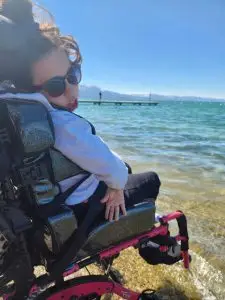
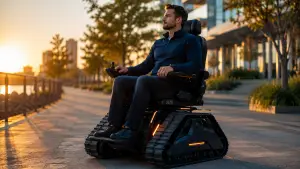
How it all started - Meet Sam & Ryan
Since 2019, Sam and Ryan have been demonstrating that nature is wheelchair accessible with the Extreme Motus All Terrain Wheelchair. From National Parks to Skateparks, their adventures prove that a manual off-road wheelchair can offer laughter and joy while navigating diverse terrains.
Join us as we continue to share these inspiring journeys.
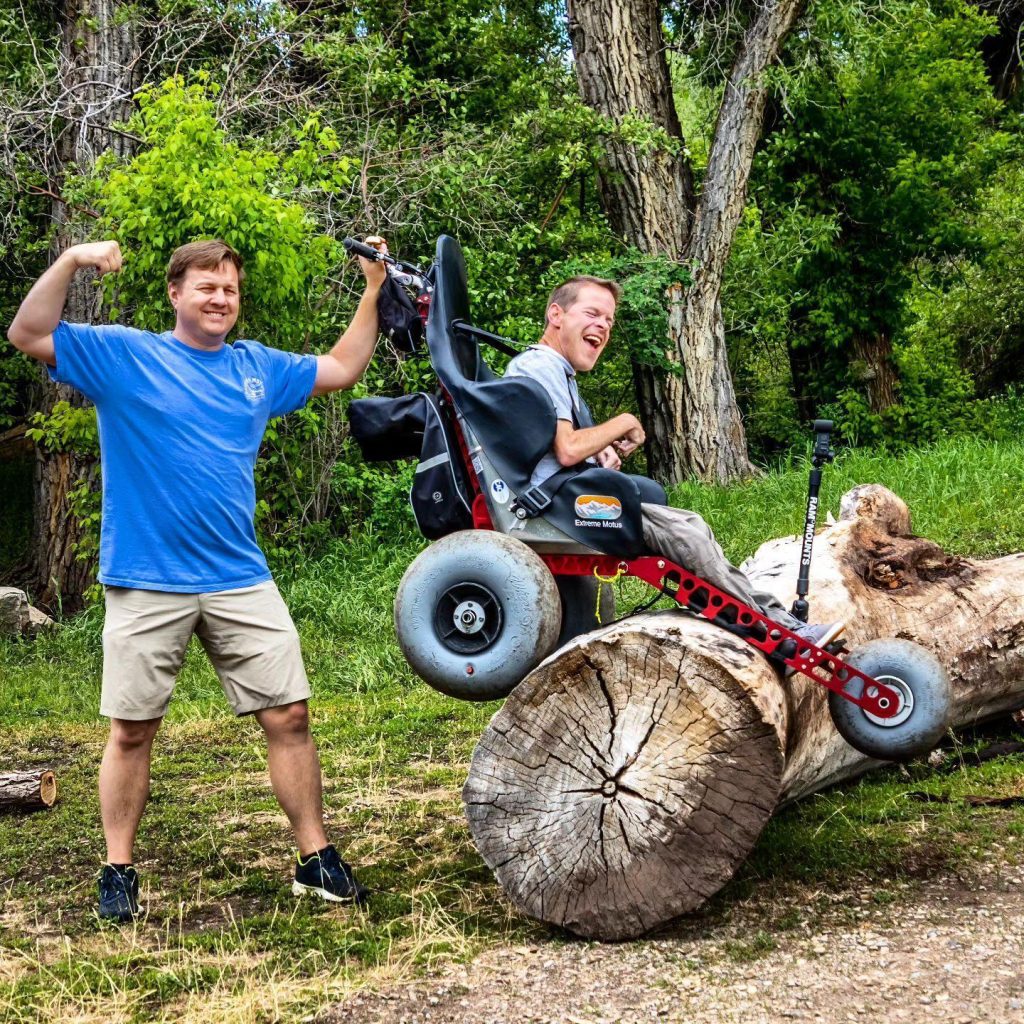
Discover Freedom with the Extreme Motus All Terrain Wheelchair
Light, comfortable, and compact, the Extreme Motus glides over sand, rocks, grass, gravel, and even floats in water.
It's more than a outdoor wheelchair; it's your ticket to freedom. Embrace the outdoors with confidence, knowing our off-road wheelchair is engineered for durability and ease of use.
Be the first to hear about new gear, upcoming adventures, and exclusive offers. As a welcome gift, you'll get a $100 coupon toward the Motus All-Terrain Wheelchair — delivered straight to your inbox.
By subscribing you agree to receive marketing communications from Extreme Motus, including product updates, promotions, and special offers. I understand I can unsubscribe at any time.