

Chronic Fatigue Syndrome, also known as Myalgic Encephalomyelitis (ME/CFS), is a debilitating condition characterized by extreme fatigue and a host of other symptoms. While there’s no cure, spending time outdoors can significantly improve quality of life, and tools like an all-terrain wheelchair can help make this possible. Here’s everything you need to know about ME/CFS and how connecting with nature can be transformative.
Quick answer: ME/CFS affects 1–2.5 million Americans with no FDA-approved treatments. Post-exertional malaise (PEM)—severe symptom worsening after physical or cognitive effort—is the core diagnostic feature. Outdoor time, when carefully paced, reduces stress and supports mental well-being; all-terrain wheelchairs enable safe access.
1. What Causes Chronic Fatigue Syndrome/Myalgic Encephalomyelitis?
The exact cause of ME/CFS is still unknown, but researchers believe it may result from a combination of factors:
- Viral Infections: Some cases are linked to infections like Epstein-Barr virus or human herpesvirus 6.
- Immune System Dysregulation: An overactive or weakened immune response may contribute.
- Hormonal Imbalances: Abnormal levels of cortisol or other hormones may play a role.
- Genetics: A family history of ME/CFS may increase the risk.
- Physical or Emotional Stress: Can act as a trigger for some individuals.
2. How Many People Are Affected by ME/CFS?
Globally, ME/CFS affects approximately 17 to 24 million people, with 1 to 2.5 million individuals in the United States alone. The condition is more common in women and often develops between the ages of 30 and 50. An estimated 75-90% of people with ME/CFS remain undiagnosed, as the condition is frequently misunderstood or mischaracterized as simple chronic fatigue.

3. What Are the Symptoms of ME/CFS?
ME/CFS is characterized by a range of symptoms, including:
- Extreme fatigue that doesn’t improve with rest
- Muscle and joint pain
- Cognitive difficulties, often called “brain fog”
- Sleep disturbances
- Headaches
- Sensitivity to light, sound, or touch
- Post-exertional malaise (PEM): Severe worsening of symptoms after physical or mental exertion, sometimes delayed by hours or days (the core diagnostic feature per 2015 IOM criteria)
4. What Are the Treatments for ME/CFS?
While there is no cure or FDA-approved treatment for ME/CFS, management focuses on symptom relief and pacing strategies:
- Medications:
- Pain relievers for muscle and joint pain.
- Antidepressants to manage associated depression or anxiety.
- Sleep aids to improve rest quality.
- Lifestyle Changes (Pacing):
- Activity pacing to avoid overexertion and post-exertional malaise.
- Creating a consistent sleep schedule.
- Therapies:
- Cognitive Behavioral Therapy (CBT) to manage stress and coping strategies.
- Dietary Adjustments:
- Balanced nutrition to support energy levels and overall health.
5. Why Is Spending Time Outdoors Important for People with ME/CFS?
Although physical exertion must be carefully managed to avoid post-exertional malaise, being outdoors offers numerous benefits for people with ME/CFS when activities are properly paced:
- Reduces Stress: Nature has a calming effect, lowering stress levels and improving mood.
- Improves Sleep Patterns: Exposure to natural light helps regulate circadian rhythms.
- Boosts Vitamin D Levels: Sunlight supports immune function and bone health.
- Enhances Mental Well-Being: Fresh air and serene surroundings reduce feelings of isolation and anxiety.
- Low-Intensity Movement: Sitting in a park or wheelchair-based exploration allows circulation benefits without physical exertion.
6. How Does Spending Time Outdoors Affect Mental and Physical Health?
The connection between nature and health is profound, especially for individuals managing chronic illnesses:
- Mental Health: Spending time outdoors can alleviate depression, reduce mental fatigue, and improve cognitive function.
- Physical Health: Exposure to fresh air and sunlight can promote healing, strengthen the immune system, and boost energy levels when not followed by exertion.
- Quality of Life: Nature encourages relaxation and provides a sense of normalcy, which is especially valuable for those with chronic conditions.
7. How Does ME/CFS Affect Family Members?
ME/CFS can have a significant impact on family dynamics:
- Emotional Strain: Watching a loved one struggle can lead to feelings of helplessness, frustration, or sadness.
- Caregiving Responsibilities: Family members may need to provide substantial physical and emotional support, leading to caregiver fatigue.
- Financial Challenges: The inability to work and medical expenses can place a financial burden on households.
- Reduced Social Activities: Families may have to adjust or limit activities to accommodate the affected individual’s needs.
Spending time outdoors together can be a therapeutic experience, fostering connection and shared moments of joy.
8. How Can an All-Terrain Wheelchair Help People with ME/CFS Enjoy the Outdoors?
For individuals with ME/CFS, mobility challenges can make outdoor activities seem inaccessible. An all-terrain wheelchair offers a practical and empowering solution:
- Handles Uneven Terrain: Designed to navigate dirt paths, grass, sand, and other challenging surfaces.
- Provides Comfort and Support: Many models include ergonomic seating and shock absorbers for a smoother ride.
- Reduces Physical Strain: Allows users to enjoy the outdoors without overexertion, protecting against post-exertional malaise.
- Encourages Independence: Enables individuals to explore nature on their own terms.
- Supports Family Activities: Makes it easier for loved ones to plan inclusive outings, ensuring everyone can participate.
What is the Extreme Motus All-Terrain Wheelchair?
The Extreme Motus All-Terrain Wheelchair is a transformative mobility solution for individuals with Chronic Fatigue Syndrome/Myalgic Encephalomyelitis (ME/CFS), a condition characterized by profound fatigue, pain, and limited physical endurance. By enabling outdoor exploration with minimal physical effort, this wheelchair enhances mobility, fosters independence, and promotes overall well-being.
How the Extreme Motus Wheelchair Benefits People with ME/CFS
1. Reduces Physical Strain
- Energy Conservation: For individuals with severe fatigue, the wheelchair minimizes the physical effort required for walking or standing, allowing users to participate in activities without exacerbating symptoms or triggering post-exertional malaise.
- Ergonomic Design: Provides proper posture support and reduces pressure on joints and muscles, enhancing comfort during extended use.
2. Supports Safe Mobility
- Shock-Absorbing Suspension: Smoothly navigates uneven terrain, reducing discomfort and ensuring a safe ride for those with heightened pain sensitivity or muscle weakness.
- Stable Frame: Offers balance and stability, preventing falls or injuries caused by fatigue or dizziness.
3. Enables Access to Outdoor Activities
- All-Terrain Capability: Designed to navigate gravel, sand, dirt paths, and grassy fields, making parks, beaches, and nature trails accessible.
- Durable Construction: Built to withstand rugged conditions, ensuring safety and reliability during outdoor adventures.
4. Promotes Mental and Emotional Well-Being
- Encourages Time Outdoors: Spending time in nature can reduce stress, improve mood, and foster relaxation—key benefits for individuals managing the mental and emotional strain of ME/CFS.
- Boosts Vitamin D Levels: Exposure to sunlight supports immune function, bone health, and overall energy levels.
- Provides a Sense of Freedom: Access to outdoor spaces offers emotional renewal and a break from the challenges of daily life with a chronic condition.
5. Enhances Social Inclusion
- Facilitates Group Participation: The wheelchair enables individuals with ME/CFS to join family outings, community events, and social gatherings, reducing feelings of isolation.
- Strengthens Relationships: Shared outdoor experiences foster meaningful connections with loved ones.
6. Promotes Independence
- User-Friendly Operation: Designed for easy maneuverability, the wheelchair allows users to explore independently or with minimal assistance.
- Builds Confidence: Overcomes mobility barriers, empowering individuals to embrace new environments and activities.
Why the Extreme Motus Wheelchair Is Ideal for ME/CFS
The Extreme Motus wheelchair is uniquely designed to meet the needs of individuals with ME/CFS. Its combination of stability, comfort, and adaptability ensures users can engage with the outdoors while managing their energy levels and minimizing strain.
Rediscover Freedom with Extreme Motus
Living with ME/CFS doesn’t have to limit your ability to enjoy outdoor activities and connect with nature. The Extreme Motus all-terrain wheelchair offers a safe, comfortable, and empowering way to reclaim your mobility and embrace life beyond chronic fatigue.
Ready to explore the outdoors? Discover how the Extreme Motus wheelchair can help you or a loved one live actively and confidently, without limits.
Conclusion: Thrive with ME/CFS and Reconnect with Nature
Living with ME/CFS presents challenges, but it doesn’t have to limit life’s pleasures. Spending time outdoors, even in small doses, can profoundly improve mental and physical well-being. With the help of an all-terrain wheelchair, individuals with ME/CFS can overcome mobility barriers and rediscover the joy of connecting with nature.
Ready to embrace the outdoors? Explore our range of all-terrain wheelchairs designed to empower individuals with ME/CFS and other mobility challenges today!
Ryan Grassley · ryan@extrememotus.com
How it all started - Meet Sam & Ryan
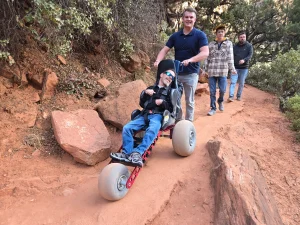
Since 2019, Sam and Ryan have been demonstrating that nature is wheelchair accessible with the Extreme Motus All Terrain Wheelchair. From National Parks to Skateparks, their adventures prove that a manual off-road wheelchair can offer laughter and joy while navigating diverse terrains.
Join us as we continue to share these inspiring journeys.
Discover Freedom with the Extreme Motus All Terrain Wheelchair
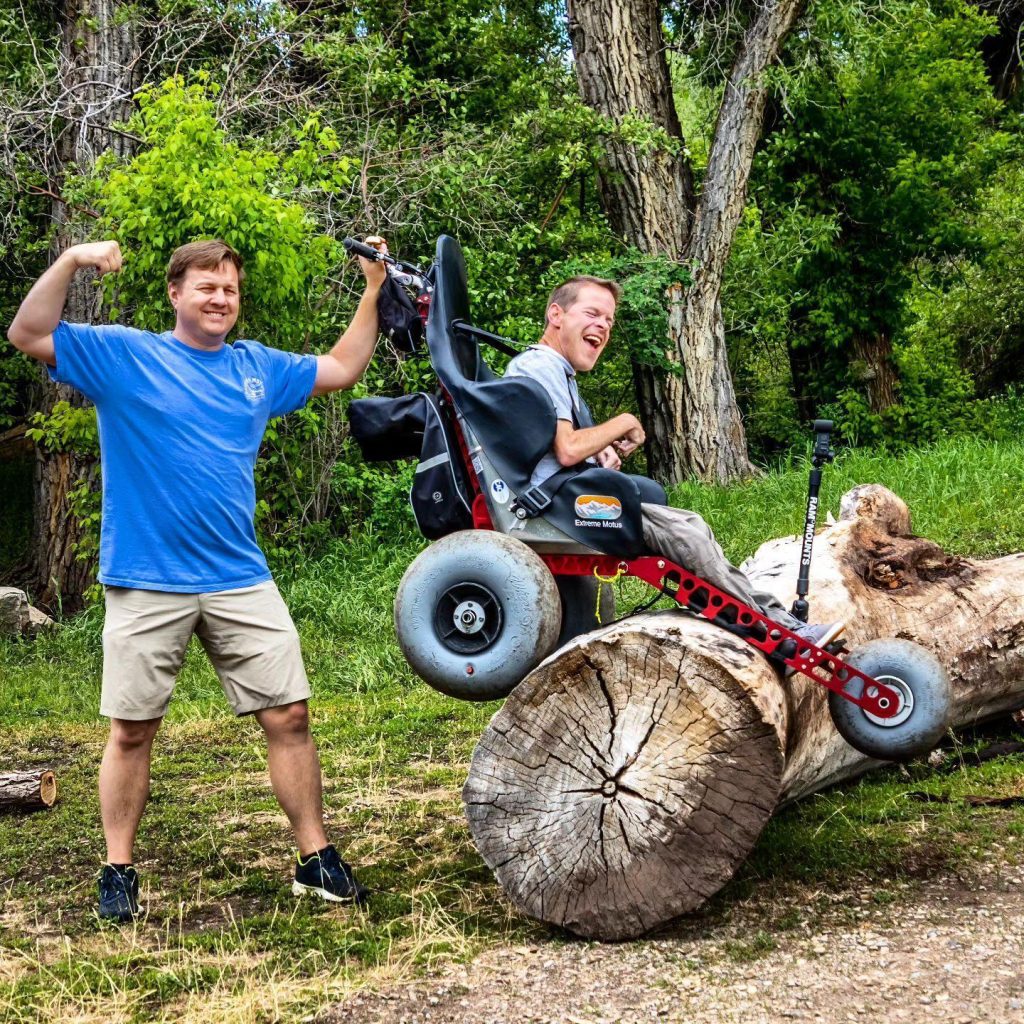
Light, comfortable, and compact, the Extreme Motus glides over sand, rocks, grass, gravel, and even floats in water.
It's more than a outdoor wheelchair; it's your ticket to freedom. Embrace the outdoors with confidence, knowing our off-road wheelchair is engineered for durability and ease of use.
Be the first to hear about new gear, upcoming adventures, and exclusive offers. As a welcome gift, you'll get a $100 coupon toward the Motus All-Terrain Wheelchair — delivered straight to your inbox.
By subscribing you agree to receive marketing communications from Extreme Motus, including product updates, promotions, and special offers. I understand I can unsubscribe at any time.