

Quick answer: Ankylosing Spondylitis (AS) is a chronic autoimmune condition affecting approximately 1% of the U.S. adult population, with a male predominance of 2–3:1. HLA-B27 genetic marker is present in ~90% of AS patients. Modern biologic therapies—TNF inhibitors and IL-17 inhibitors—have dramatically improved prognosis and quality of life compared to earlier treatment eras.
What is Ankylosing Spondylitis?
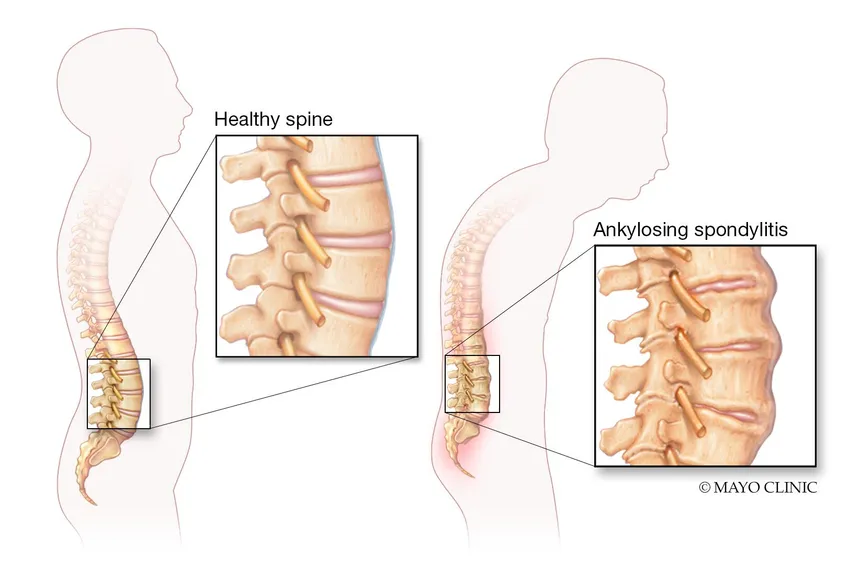
Ankylosing Spondylitis (AS) is a chronic inflammatory autoimmune disorder that primarily affects the spine and sacroiliac joints, causing progressive inflammation, pain, stiffness, and potential vertebral fusion. Understanding its etiology, diagnostic markers, treatment landscape, and prognosis is essential for individuals and families navigating this condition.
1. What Causes Ankylosing Spondylitis?
Ankylosing Spondylitis is fundamentally an autoimmune disorder in which the immune system attacks spinal joints and ligaments, triggering chronic inflammation. The condition involves both genetic predisposition and environmental factors:
- Genetic factor: The HLA-B27 gene is strongly associated with AS development, present in approximately 90% of AS patients (compared to ~6% of the general U.S. population). Possession of HLA-B27 does not guarantee AS development, suggesting additional genetic or environmental factors are required.
- Immune dysregulation: An overactive Th17-mediated immune response drives spinal inflammation through IL-17 and TNF-alpha cytokine signaling.
- Environmental triggers: Infection (particularly gastrointestinal and genitourinary) may precipitate disease onset in genetically susceptible individuals.
2. How Prevalent Is Ankylosing Spondylitis?
AS prevalence varies geographically but remains a significant health concern globally:
- Global prevalence: Approximately 0.1–1.8% of the population, depending on geographic region and HLA-B27 distribution.
- United States: Estimated at ~1% of the adult population, or approximately 3 million Americans, according to American College of Rheumatology (ACR) data.
- Demographic pattern: Affects males 2–3 times more frequently than females; symptom onset typically occurs between ages 17–45, with peak incidence in the 20s–30s.
3. What Are the Current Treatment Options?
Modern AS treatment has undergone dramatic transformation over the past two decades, particularly with the introduction of biologic disease-modifying antirheumatic drugs (bDMARDs). Treatment goals center on inflammation control, symptom management, and functional preservation:
- Nonsteroidal anti-inflammatory drugs (NSAIDs): First-line agents (ibuprofen, indomethacin, naproxen) for pain and inflammation control. Continuous use (rather than on-demand) is more effective than intermittent dosing.
- Biologic therapies: Have revolutionized AS management:
- TNF-alpha inhibitors (infliximab, etanercept, adalimumab): Reduce spinal inflammation and slow radiographic progression.
- IL-17 inhibitors (secukinumab, ixekizumab): Newer agents targeting an alternative inflammatory pathway with favorable efficacy and safety profiles.
- Biologics can induce remission and significantly improve quality of life in responsive patients.
- Physical therapy: Essential adjunct maintaining spinal mobility, posture, and muscle strength. Structured exercise programs delay functional decline.
- Lifestyle modification: Regular low-impact activity (swimming, yoga, walking) and posture maintenance help preserve spinal mobility and function.
- Surgery: Rarely required; reserved for severe spinal deformity causing functional impairment or neurological compromise. Spinal osteotomy may be performed to correct severe kyphosis.
4. How Does AS Affect Family Dynamics and Social Function?
- Chronic pain impact: Persistent spinal pain and morning stiffness (often 30+ minutes duration) disrupt sleep, work, and social engagement.
- Caregiving burden: Family members frequently provide emotional support and assistance with daily activities, particularly during flares.
- Financial strain: Biologic therapy costs (often $40,000–$60,000 annually) create substantial household financial pressure, even with insurance coverage.
- Activity modifications: Families adjust recreational plans to accommodate fatigue, pain, and reduced mobility as disease progresses.
- Psychological effects: Depression and anxiety are common comorbidities, affecting both patients and family members.
5. Can AS Necessitate Wheelchair Use?
While most AS patients remain ambulatory with proper treatment, advanced disease—particularly when undertreated or unresponsive to biologics—can result in mobility limitations requiring wheelchair assistance:
- Severe progressive fusion: Complete vertebral ankylosis (fusion) combined with kyphotic deformity can significantly restrict mobility and balance.
- Chronic pain and fatigue: Debilitating symptoms may make walking unsustainable for prolonged periods despite intact structural integrity.
- Safety considerations: Advanced kyphosis and spinal rigidity increase fall risk, making wheelchairs a practical safety measure for community mobility.
Modern biologic therapies have dramatically reduced the proportion of AS patients requiring wheelchairs, compared to the pre-biologic era when ~10% progressed to wheelchair dependence.
6. Why Is Outdoor Activity Therapeutically Important?
Outdoor engagement provides multifaceted benefits for AS patients:
- Stress and mood support: Natural environments reduce anxiety, depression, and stress—critical given elevated psychiatric comorbidity in AS.
- Gentle spinal mobility: Low-impact outdoor activities (walking, light stretching) encourage spinal movement without inflammatory flare-inducing intensity.
- Vitamin D synthesis: Sunlight exposure supports bone health and may reduce inflammatory markers in some AS patients.
- Social connection: Outdoor settings facilitate family and community engagement, combating isolation.
7. How Can All-Terrain Mobility Support Quality of Life?
For AS patients experiencing mobility limitations, all-terrain wheelchairs address a critical gap—enabling outdoor participation when standard wheelchairs are inadequate:
- Terrain versatility: Navigate trails, grass, gravel, and beaches where standard chairs fail.
- Ergonomic support: Customizable seating accommodates spinal deformity and minimizes pain during extended use.
- Independence restoration: Reduces reliance on caregivers for outdoor participation.
- Psychosocial benefit: Enables family outings, hiking, and community events, supporting mental health and social inclusion.
Frequently Asked Questions
Q: If I have HLA-B27, will I develop Ankylosing Spondylitis?
Not necessarily. While HLA-B27 is present in ~90% of AS patients, only 1–3% of HLA-B27-positive individuals develop AS, indicating additional genetic or environmental factors are required.
Q: How is AS different from other forms of arthritis?
AS is an inflammatory spondyloarthropathy—a distinct class from rheumatoid arthritis. It primarily affects the spine and sacroiliac joints rather than small peripheral joints, and is strongly associated with HLA-B27 genetic marker.
Q: Can biologics stop disease progression?
Modern biologics (TNF and IL-17 inhibitors) significantly slow radiographic progression and can induce remission in many patients. However, they do not reverse existing spinal fusion; early treatment is critical.
Q: What is the prognosis with modern treatment?
Prognosis has improved dramatically since the biologic era. Most treated patients maintain functional mobility and quality of life. Untreated disease may lead to progressive disability, but responsive patients often experience remission or low disease activity.
Q: How often do AS patients require surgery?
Fewer than 5% of AS patients require surgical intervention with modern medical management. Surgery is typically reserved for severe spinal deformity or neurological complications.
Q: What lifestyle changes help manage AS symptoms?
Regular low-impact exercise (swimming, walking, yoga), posture maintenance, adequate sleep, stress management, and smoking cessation all support disease control and functional preservation.
Conclusion
Ankylosing Spondylitis is a chronic autoimmune condition requiring lifelong management, but modern biologic therapies have transformed prognosis and quality of life. Early diagnosis and aggressive treatment with TNF inhibitors or IL-17 inhibitors can halt progression and enable functional independence. For individuals facing mobility challenges, outdoor engagement—supported by appropriate assistive technology—remains therapeutically vital to physical and mental well-being.
Ryan Grassley · ryan@extrememotus.com
How it all started - Meet Sam & Ryan
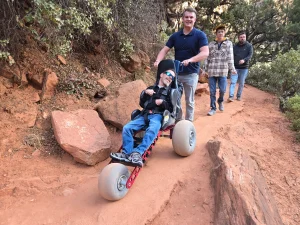
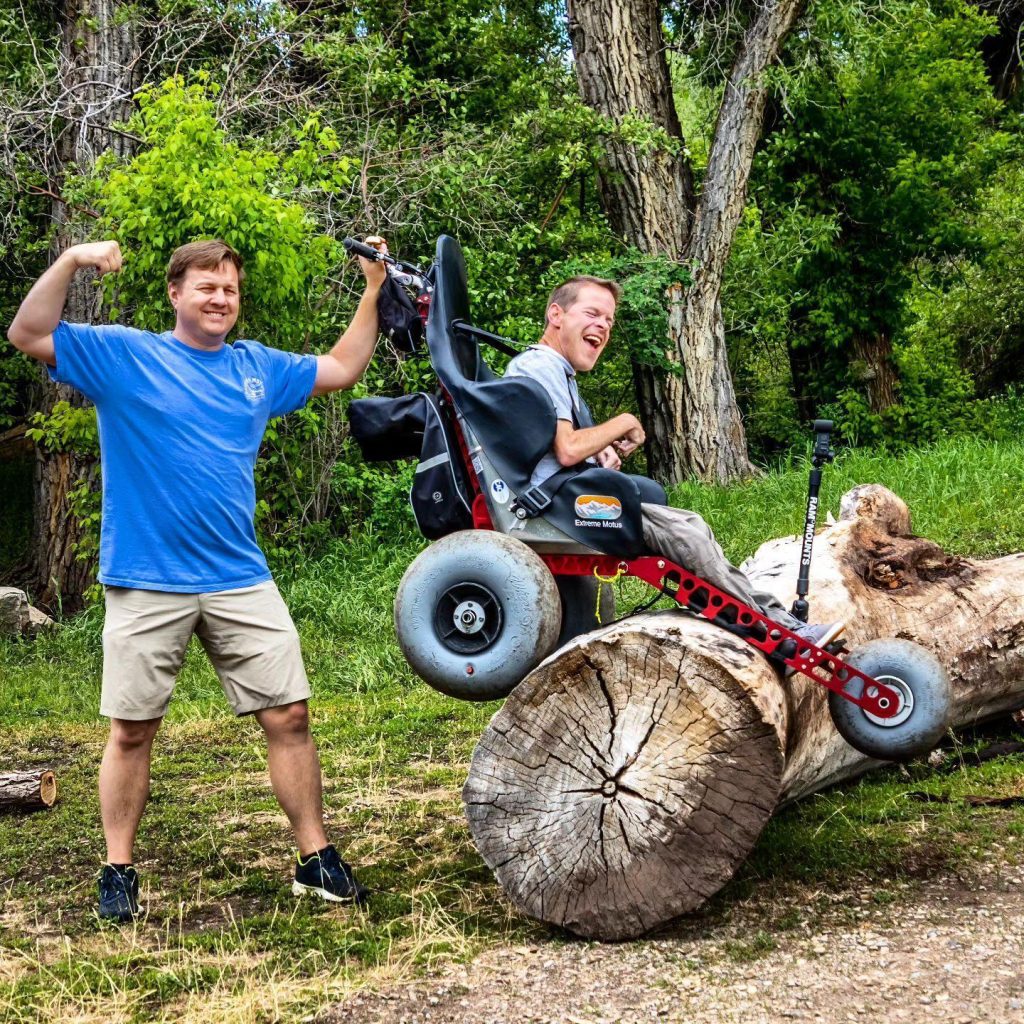
Since 2019, Sam and Ryan have been demonstrating that nature is wheelchair accessible with the Extreme Motus All Terrain Wheelchair. From National Parks to Skateparks, their adventures prove that a manual off-road wheelchair can offer laughter and joy while navigating diverse terrains.
Join us as we continue to share these inspiring journeys.
Discover Freedom with the Extreme Motus All Terrain Wheelchair
Light, comfortable, and compact, the Extreme Motus glides over sand, rocks, grass, gravel, and even floats in water.
It's more than a outdoor wheelchair; it's your ticket to freedom. Embrace the outdoors with confidence, knowing our off-road wheelchair is engineered for durability and ease of use.
Be the first to hear about new gear, upcoming adventures, and exclusive offers. As a welcome gift, you'll get a $100 coupon toward the Motus All-Terrain Wheelchair — delivered straight to your inbox.
By subscribing you agree to receive marketing communications from Extreme Motus, including product updates, promotions, and special offers. I understand I can unsubscribe at any time.