

Quick answer: Pott’s Disease (spinal TB) accounts for less than 1% of TB cases globally, more common in developing countries. It’s caused by TB bacteria destroying spine vertebrae and is curable with 6-12 months of antibiotics if caught early. Untreated severe cases cause paralysis and require wheelchair mobility. All-terrain wheelchairs help survivors access outdoor life during and after recovery.
Pott’s Disease — spinal tuberculosis — is a serious infection that destroys vertebrae, discs, and spine tissue. It progresses slowly, which is why diagnosis often comes late, after major damage. The good news: it’s curable with early treatment, and survivors can live active, independent lives with proper support and equipment.
What Is Pott’s Disease?
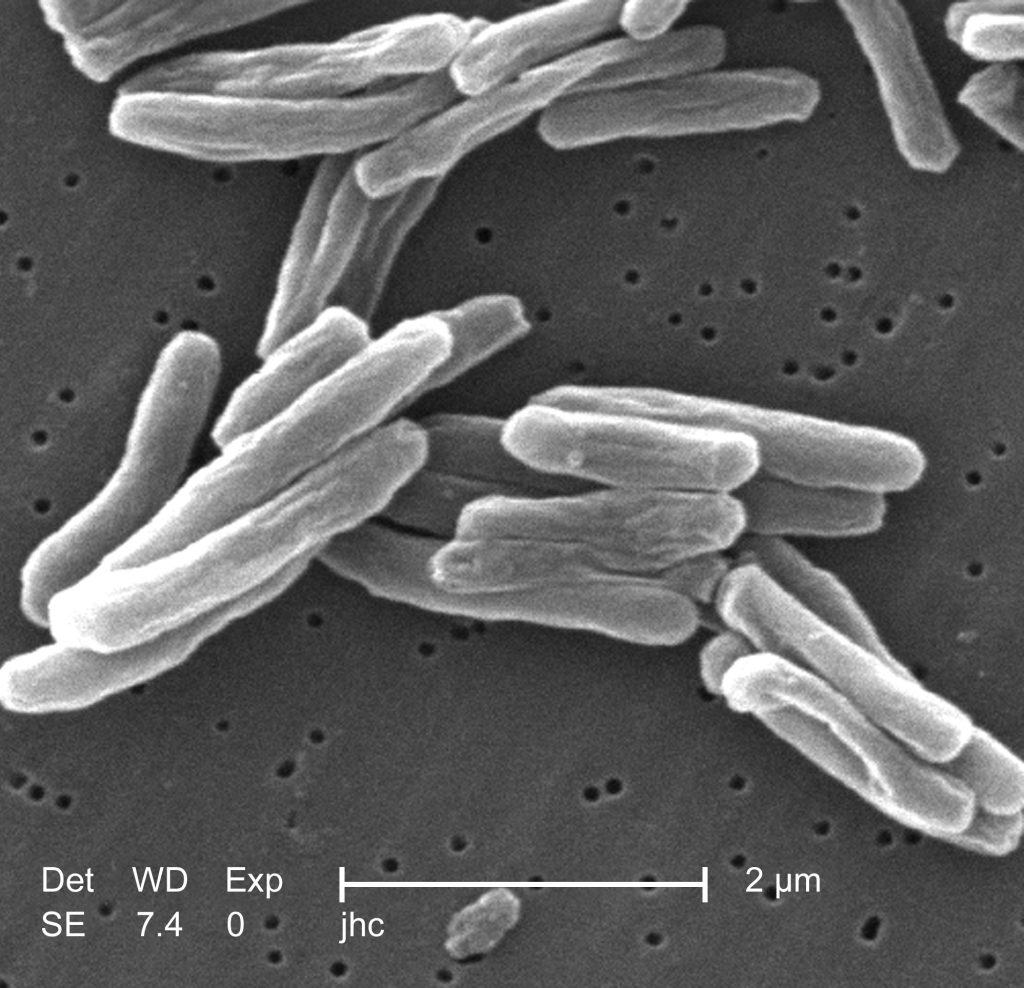
Pott’s Disease occurs when tuberculosis bacteria spread from the lungs to the spine. The infection destroys vertebrae and discs, causing:
- Chronic back pain — Often severe and progressive.
- Spinal deformities — Kyphosis (excessive rounding), potentially visible as hunchback.
- Nerve compression — Weakness, numbness, or paralysis in legs.
- Spinal instability — Damaged vertebrae may collapse, requiring surgery.
The disease develops slowly over months or years, making early diagnosis critical.
How Common Is Pott’s Disease?
Spinal TB represents less than 1% of TB cases globally, but with 10+ million new TB cases annually, tens of thousands develop spinal complications. It’s most common in countries with high TB prevalence and rare in developed countries with strong TB screening.
Treatment Options
Pott’s Disease is curable if caught early, but treatment requires commitment.
- Antibiotic therapy — 6-12 months of TB drugs. Completing the full course is essential to prevent drug-resistant TB.
- Spinal bracing — Immobilizes the spine while antibiotics work, reducing pain and preventing deformity.
- Surgery — If collapse is severe, nerves compressed, or antibiotics fail, surgery may stabilize the spine.
- Physical therapy — After infection resolves, rehabilitation restores strength and mobility.
Early detection is life-changing. Treated early, most recover fully or with minimal disability. Diagnosed late, many face permanent spinal damage requiring wheelchair mobility.
Family Impact
Pott’s Disease affects entire families through financial burden, caregiving demands, emotional toll, and social isolation. Early treatment and family support make recovery possible.
Wheelchair Mobility
Not everyone needs a wheelchair. Outcomes depend on diagnosis timing, damage severity, and recovery. For those with permanent mobility loss, all-terrain wheelchairs provide freedom standard chairs can’t offer.
Why Outdoor Access Matters
During recovery from spinal TB, outdoor time aids mental and physical health through vitamin D, fresh air, gentle movement, and social connection. Standard wheelchairs trap people on pavement; all-terrain wheelchairs unlock real freedom.
All-Terrain Wheelchairs and Recovery
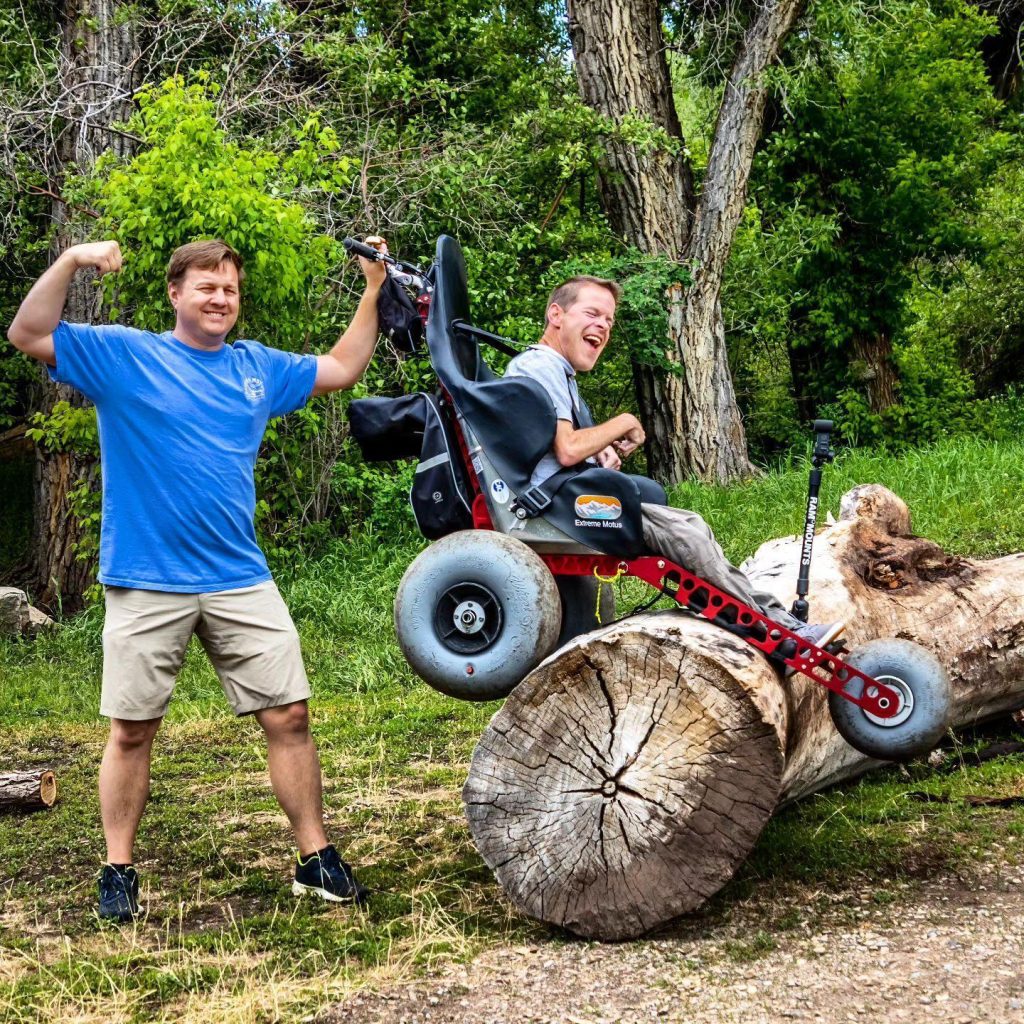
An Extreme Motus all-terrain wheelchair helps spinal TB survivors with lasting damage reclaim outdoor life through shock-absorbing design, balloon tires (sand/gravel/grass), lightweight construction, water floatation, and customizable seating protecting a weakened spine.
Frequently Asked Questions
What is Pott’s Disease?
Pott’s Disease is tuberculosis of the spine. TB bacteria destroy vertebrae, causing pain, deformity, and potentially paralysis. It’s curable with antibiotics if caught early, but late diagnosis often results in permanent spinal damage.
How common is it?
Spinal TB accounts for less than 1% of TB cases globally. With 10+ million TB cases annually, tens of thousands develop spinal complications, mainly in developing countries with high TB prevalence.
Can it be cured?
Yes, with 6-12 months of TB antibiotics if caught early. Surgery may be needed for severe collapse. Early diagnosis is critical for full recovery versus permanent disability.
Does it always require a wheelchair?
No. Many recover full mobility. However, severe spinal damage or post-surgical weakness may require wheelchair mobility, full-time or part-time.
How do all-terrain wheelchairs help?
Standard wheelchairs only work on pavement. All-terrain wheelchairs roll over sand, gravel, mud, grass, and shallow water, giving spinal TB survivors actual freedom instead of pavement-only confinement.
Can grants help pay for one?
Insurance usually won’t, but disability-specific grants, disease organizations, crowdfunding, payment plans, and HSA/FSA with Medical Necessity letters can help.
How it all started - Meet Sam & Ryan
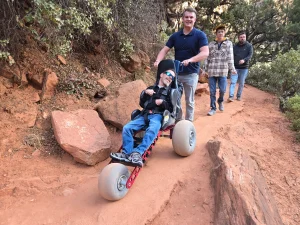
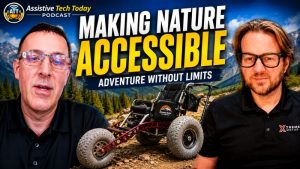
Since 2019, Sam and Ryan have been demonstrating that nature is wheelchair accessible with the Extreme Motus All Terrain Wheelchair. From National Parks to Skateparks, their adventures prove that a manual off-road wheelchair can offer laughter and joy while navigating diverse terrains.
Join us as we continue to share these inspiring journeys.
Discover Freedom with the Extreme Motus All Terrain Wheelchair
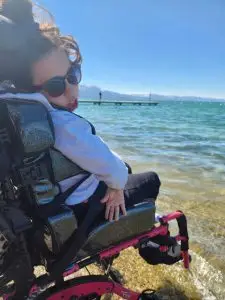
Light, comfortable, and compact, the Extreme Motus glides over sand, rocks, grass, gravel, and even floats in water.
It's more than a outdoor wheelchair; it's your ticket to freedom. Embrace the outdoors with confidence, knowing our off-road wheelchair is engineered for durability and ease of use.
Be the first to hear about new gear, upcoming adventures, and exclusive offers. As a welcome gift, you'll get a $100 coupon toward the Motus All-Terrain Wheelchair — delivered straight to your inbox.
By subscribing you agree to receive marketing communications from Extreme Motus, including product updates, promotions, and special offers. I understand I can unsubscribe at any time.