

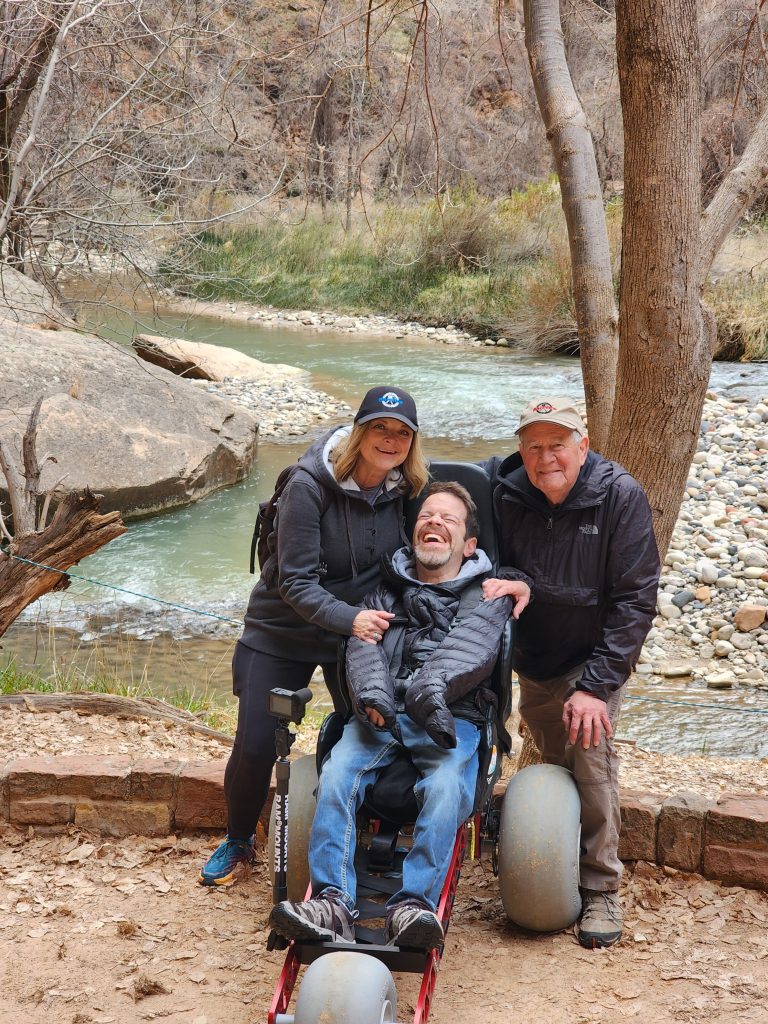
This is a story about outdoor accessibility — and what it actually takes to get there. A few years ago, a man bought one of our all-terrain wheelchairs for his wife. She had ALS, and he wanted one more chance to take her to her favorite spot on the river.
They used the chair exactly once. She passed away shortly after.
When we reached out — half-expecting he’d want a refund — he said the opposite: no regrets. He got to take his wife to the river one last time and watch her smile before she died. That, he told me, was worth the full price of the chair. He later donated it to an ALS nonprofit so another family could have the same afternoon.
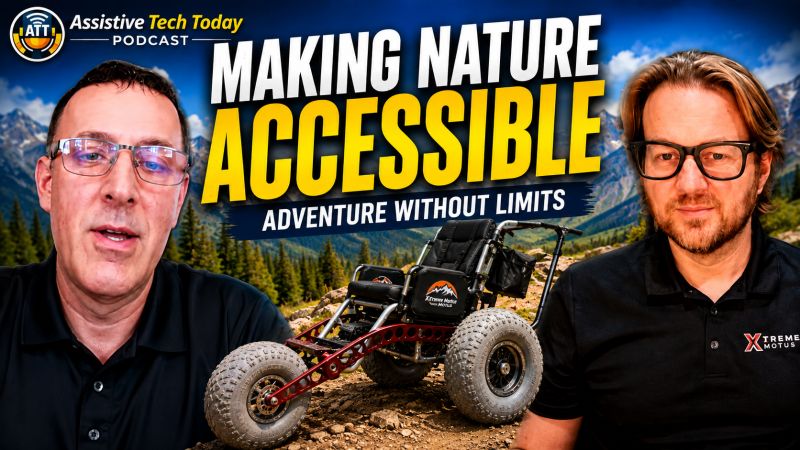
I told that story recently on the Assistive Tech Today Podcast, and it’s the story that explains why Extreme Motus exists in the first place, at least to me. Not because a wheelchair is exciting hardware — it’s aluminum, tires, and a frame — but because of what it makes possible. A hike. A family trip. A last afternoon on the river. Fresh air and a smile you weren’t sure you’d get to see again.
Key Takeaways
- Outdoor accessibility means having the right mobility equipment for trails and terrain — not just ramps, curb cuts, and accessible parking.
- Extreme Motus builds a lightweight (about 50 lb), foldable, three-wheel all-terrain wheelchair with low-pressure balloon tires instead of a heavier electric model.
- Insurance rarely covers recreational wheelchairs; most families pay through grants, Medicaid/Medicare waivers, or a letter of medical necessity.
- You can try a chair before buying through Extreme Motus’s demo program at shows, local customers, or public parks.
- The company’s mission traces back to a young girl paralyzed in an accident who wanted to keep up with friends on hikes and field trips.
The Chair Started With a Little Girl Who Got Left Out
The story behind the chair itself is almost as personal. Years before I joined the company, a firefighter here in Utah responded to a tragic accident: an 80-foot pine tree fell on a family gathered for a reunion, killing several members and paralyzing a young girl. The firefighter stayed close to the family afterward, and one day the girl told him something simple and heartbreaking — her classmates were going on field trips to a farm, on hikes, and she was being left behind.
He wasn’t an engineer. He was, as I like to put it, a good old boy who knew how to build stuff that worked. So he built her a chair in his home shop. That first version had one wheel and needed two people to balance it. The chair we sell today is the descendant of that idea: three wheels, an aluminum race-car-style frame and seat, and balloon tires running at just 4 PSI, which act as the suspension. Hit a crack in the sidewalk in a standard wheelchair and you feel every bit of it. In this one, it’s like you’re riding on pillows.
It weighs about 50 pounds, folds in half, and fits in the back of a hatchback. That combination — light, foldable, durable outdoors — turns out to matter more than horsepower.
Why We Don’t Build an Electric Version (Yet)
Almost every customer asks about an electric version, and I don’t blame them — I want one too sometimes, especially when I’m pushing my friend Sam up a mountain. But the tradeoffs are real. An electric motor roughly doubles the weight, from 50 pounds to around 100. If the battery dies mid-trail, do the wheels lock up? Motorized all-terrain chairs already exist — there’s one that costs $10,000 more than ours and weighs 500 pounds, which means you need a truck or trailer just to move it around.
That’s the opposite of what most families actually want. The whole appeal of a lightweight manual chair is spontaneity: it’s a beautiful Saturday, you throw the chair in the trunk, and you go. A 500-pound motorized chair means planning, a bigger vehicle, a place to store it, and one more thing that needs to be charged and maintained. My advice to customers is refreshingly unsalesy, if I do say so myself: get whatever you’ll actually use the most. Sometimes that’s an Extreme Motus chair. Sometimes it isn’t. The chair that stays in the garage doesn’t help anybody.
Real Outdoor Accessibility Doesn’t Mean Paving Over Nature
The most quotable line from my interview might be this one: “The most beautiful places in our country don’t have sidewalks.” National parks, state parks, and trailheads are, almost by definition, at the end of a dirt path — and pouring concrete to fix that would ruin the exact thing people are trying to experience.
My point about outdoor accessibility goes further than trail access, though. Ask most parks whether they’re accessible, and you’ll hear about handicap parking and accessible bathrooms. Fair enough — but that’s not the park. It’s the parking lot and the restroom. Meanwhile, a wheelchair user trying to pay at one of the increasingly common pay-by-kiosk parking stations often finds the kiosk sitting on a raised concrete platform with no way to reach it. Nobody designing that kiosk thought about who couldn’t get to it.
The fix, in most cases, isn’t more concrete. It’s the right piece of mobility equipment on the existing trail, leaving the land untouched. We’re working with Utah state parks — through grants, not park budgets, which are almost always too tight to cover it — to station chairs on-site so anyone can borrow one, no purchase required.
Paying For It: Grants, Not Insurance
One uncomfortable fact I shared on the show: of the 500-plus Extreme Motus chairs out in the world, maybe two have been covered by insurance. Insurance typically covers a wheelchair for a person’s everyday, indoors-and-around-town life — not one built for recreation, even though the physical and mental health case for getting outside is just as real.
Grants fill a lot of that gap, especially for nonprofits and camps, where our team member Kenny Jardine writes and submits grant applications directly. Individuals have options too — Medicaid/Medicare waivers and letters of medical necessity exist in most states, though the process varies widely — which is why my standing advice is simply to reach out and ask. There’s also a grant-finder quiz on our site, and a demo program so families can try a chair — at a show, through a local customer, or at a public park — before spending a dollar. It’s a little unnerving to buy something like this without sitting in it first, and I get that.
It’s Not About the Chair
Strip away the tires and the frame, and the whole company comes back to one idea I keep returning to: the chair itself isn’t the point. The point is the hike that happens because of it, the family trip, the fresh air, the memory — and sometimes, just one more moment together.
Curious if an all-terrain wheelchair is right for your family? Check out our pricing guide, take the grant finder quiz, or find a chair near you on our public locations map to try before you buy.
Frequently Asked Questions
What does “outdoor accessibility” actually mean?
True outdoor accessibility isn’t ramps, parking, or paved paths — it’s having mobility equipment built for actual trails and uneven ground. Pouring concrete on a hiking trail would ruin the nature people are trying to experience; the real fix is the right wheelchair, not more infrastructure.
Why doesn’t Extreme Motus make an electric all-terrain wheelchair?
An electric motor roughly doubles the chair’s weight, from about 50 pounds to around 100, and raises reliability concerns like what happens if the battery dies mid-trail. Existing motorized options can weigh 500 pounds and cost $10,000 more, requiring a truck or trailer to transport — the opposite of the spontaneity a lightweight manual chair offers.
Does insurance cover an all-terrain wheelchair?
Rarely. Of more than 500 Extreme Motus chairs in use, only about two have been covered by insurance, since insurance typically covers equipment for everyday indoor mobility, not recreation.
How can I pay for an all-terrain wheelchair if insurance won’t cover it?
Most families rely on grants (especially through nonprofits and camps), Medicaid/Medicare waivers, or a letter of medical necessity, though the process varies by state. Extreme Motus also offers a grant-finder quiz on its site, and the standing advice is simply to reach out and ask.
Can I try an all-terrain wheelchair before buying one?
Yes. Extreme Motus runs a demo program that lets families test a chair at trade shows, through local customers, or at public parks before purchasing.
How much does the Extreme Motus all-terrain wheelchair weigh?
About 50 pounds. It folds in half, fits in the back of a hatchback, and rides on three wheels with balloon tires at 4 PSI that act as natural suspension.
How it all started - Meet Sam & Ryan
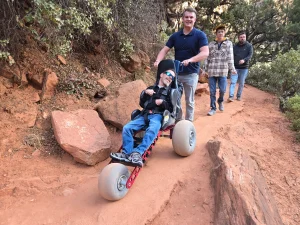
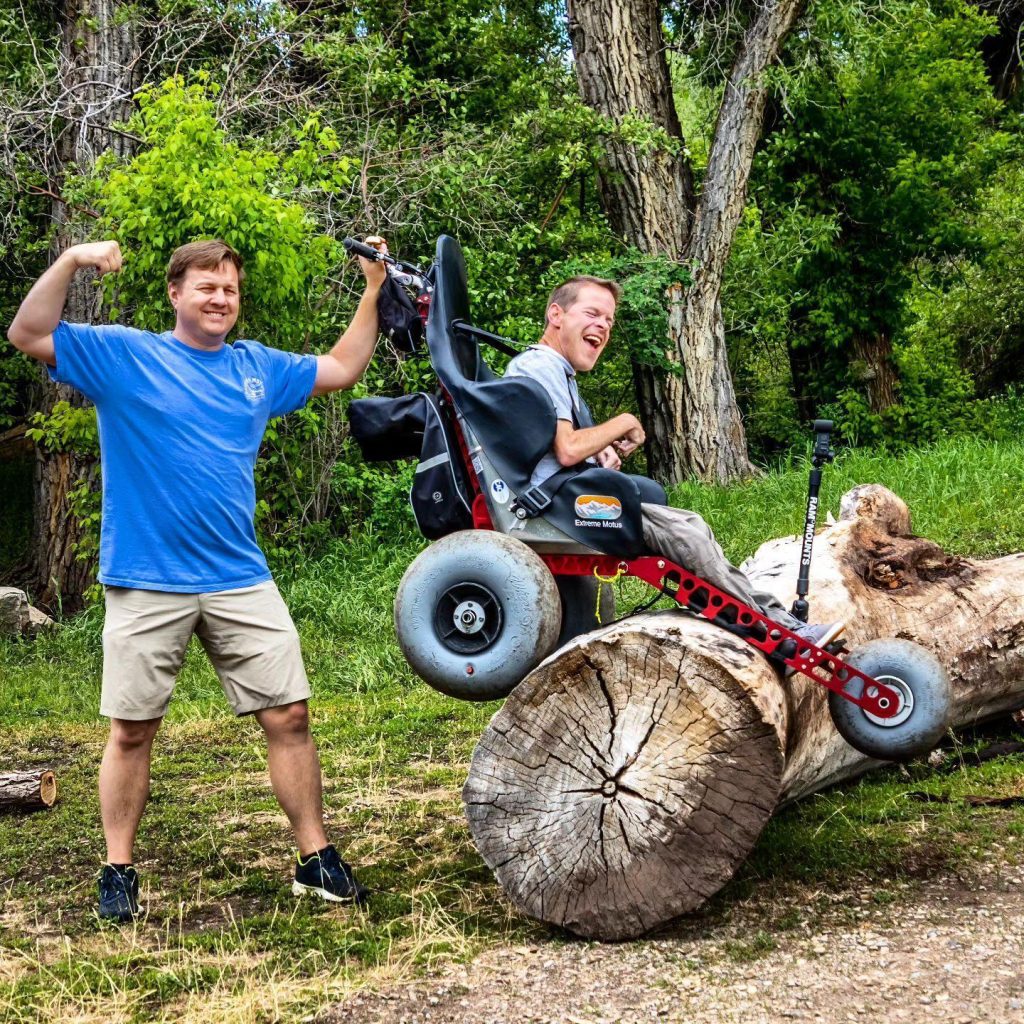
Since 2019, Sam and Ryan have been demonstrating that nature is wheelchair accessible with the Extreme Motus All Terrain Wheelchair. From National Parks to Skateparks, their adventures prove that a manual off-road wheelchair can offer laughter and joy while navigating diverse terrains.
Join us as we continue to share these inspiring journeys.
Discover Freedom with the Extreme Motus All Terrain Wheelchair
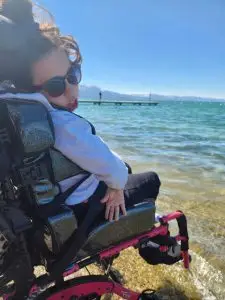
Light, comfortable, and compact, the Extreme Motus glides over sand, rocks, grass, gravel, and even floats in water.
It's more than a outdoor wheelchair; it's your ticket to freedom. Embrace the outdoors with confidence, knowing our off-road wheelchair is engineered for durability and ease of use.
Be the first to hear about new gear, upcoming adventures, and exclusive offers. As a welcome gift, you'll get a $100 coupon toward the Motus All-Terrain Wheelchair — delivered straight to your inbox.
By subscribing you agree to receive marketing communications from Extreme Motus, including product updates, promotions, and special offers. I understand I can unsubscribe at any time.