

How much does a wheelchair cost? It’s the first question everyone asks — and honestly, the answer varies so much that a straight price can feel useless. From a basic transport chair to a high-end tracked vehicle, you’re looking at anywhere from a few hundred dollars to over $30,000. The real question is: what do you actually need?
I’ve pushed wheelchairs through sand, mud, snow, and trails for a decade. I’ve also helped hundreds of customers understand the actual cost breakdown, where insurance covers what, and how to fund the chair you need without the surprise sticker shock. This is what I tell them.
Quick answer: Manual wheelchairs run $100–$1,500. Power wheelchairs start at $1,500 and go up to $15,000+ for advanced models. All-terrain manual chairs land at $2,500–$8,000; powered all-terrain gear hits $10,000–$30,000+. Most people spend between $2,000–$5,000 for a chair they’ll actually use daily. Medicare may cover 80% of approved medical-necessity chairs, leaving 20% plus any amounts over the allowable charge.

Find your grant in 90 seconds
Answer 5–7 quick questions and we’ll narrow 50+ adaptive-equipment grants down to the ones you’re most likely to win.
Free. No email required. Plus a 30-min strategy call with Kenny if you want help applying.
Take the Grant Match Quiz →Manual Wheelchairs: $100 – $1,500+
Manual wheelchairs are propelled by the user or a caregiver. If someone has good upper-body strength or you’ve got a partner who can push, manual is usually the most affordable entry point.
Price breakdown:
- Basic steel models: $100 – $500. Hospital-grade, heavy, minimal adjustability. Good for short-term recovery or temporary use, not for daily living.
- Lightweight folding aluminum: $300 – $800. Easier to transport and adjust. Most people upgrade here if they’re using a chair regularly.
- Ultralight titanium active-user chairs: $1,000 – $2,500+. Customizable seating, ergonomic hand rims, durable frames. These are chairs people actually enjoy using every day.
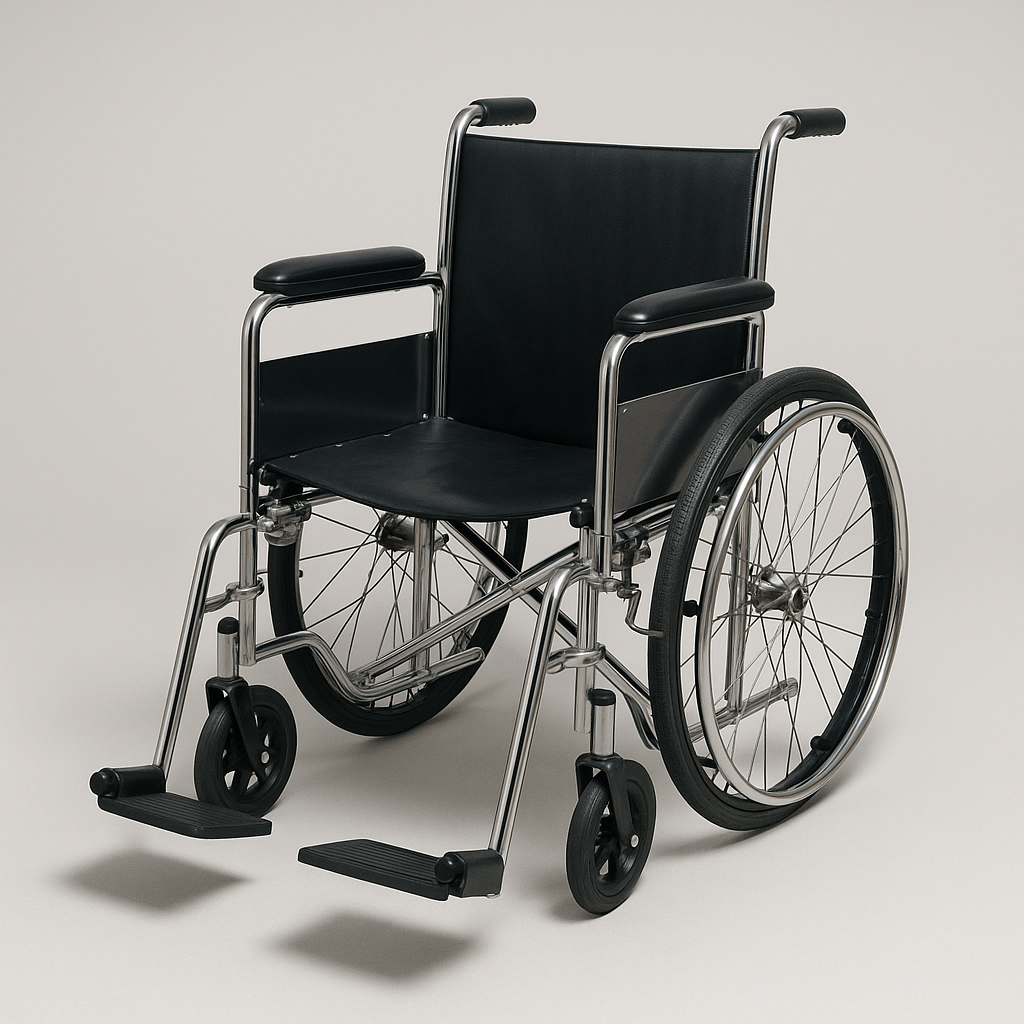
What affects the price: Frame material (steel, aluminum, or titanium), custom seat sizing, pressure-relief cushioning, folding ability, and adjustable features.
Power Wheelchairs: $1,500 – $15,000+
Power wheelchairs let people move independently when upper-body strength is limited or fatigue is a factor. They’re game-changers for folks with ALS, MS, spinal cord injuries, or chronic conditions.
Price breakdown:
- Entry-level indoor models: $1,500 – $2,500. Compact, easy to maneuver indoors. Limited outdoor capability and battery range — usually 5–10 miles.
- Mid-range indoor/outdoor: $3,000 – $7,000. Better suspension, stronger motors, 15–20 mile range. These handle indoor and outdoor pavement reasonably well.
- High-end rehab-grade chairs: $10,000 – $15,000+. Power tilt, recline, leg elevation, seat elevation (so the rider can reach eye level), and programmable control systems. These are fully customizable for individual seating and mobility needs.
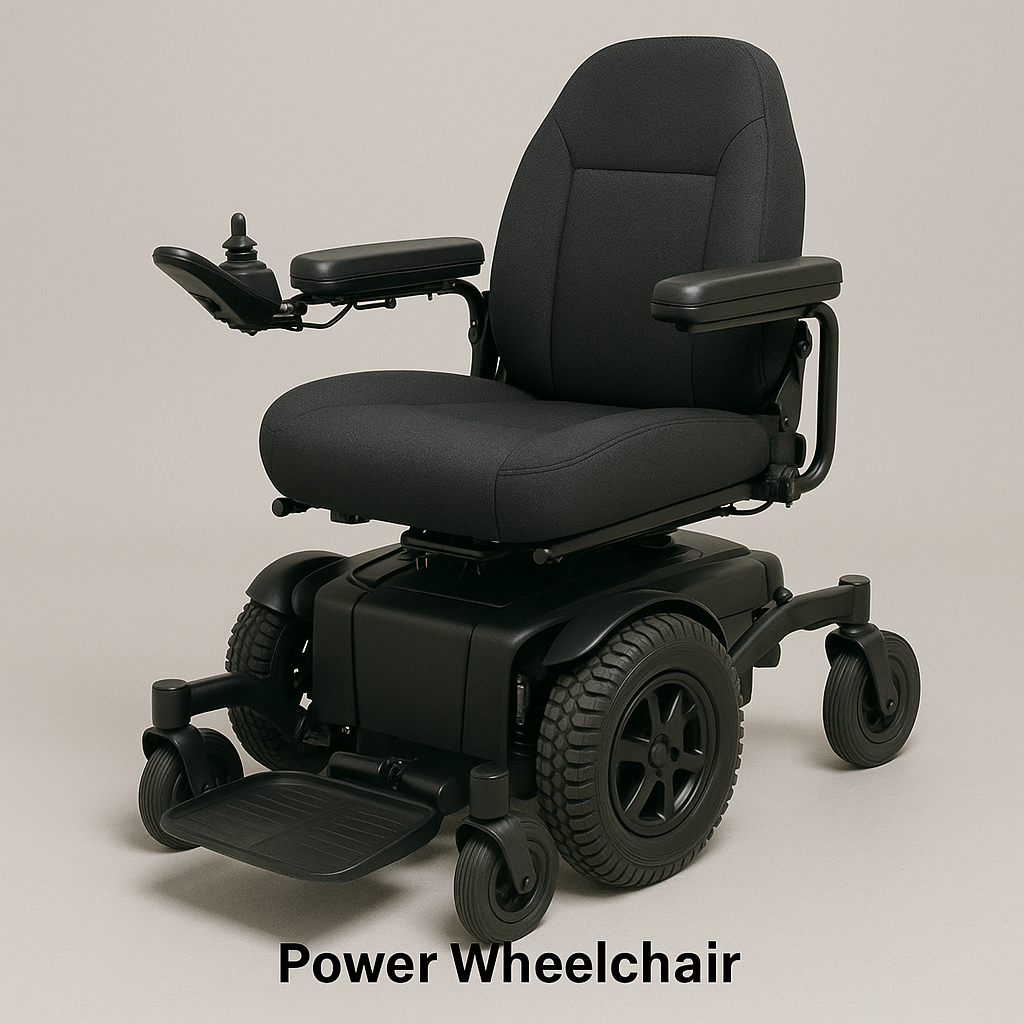
What affects the price: Battery technology (standard vs. long-range lithium), seating system, drive configuration (rear, mid, or front-wheel), suspension quality, and control system sophistication.
All-Terrain Wheelchairs: $2,500 – $20,000+
All-terrain chairs are built for people who don’t want to stay on pavement. Whether you’re heading to the beach, hiking a dirt trail, or just want to access the backyard after a rainstorm, all-terrain gear opens doors that standard chairs can’t.
Price breakdown:
- Manual all-terrain chairs: $2,500 – $8,000. Wide balloon tires, lightweight aluminum or titanium frames, foldable. The Extreme Motus runs $4,500 and is designed to float in water and handle sand, gravel, mud, and snow. One strong caregiver or a capable user can push these.
- Powered all-terrain and tracked vehicles: $10,000 – $30,000+. Tank-like treads, four-wheel drive, extended range. These are the heavy artillery — for hunters, backcountry explorers, and people who need independence on truly rough terrain.
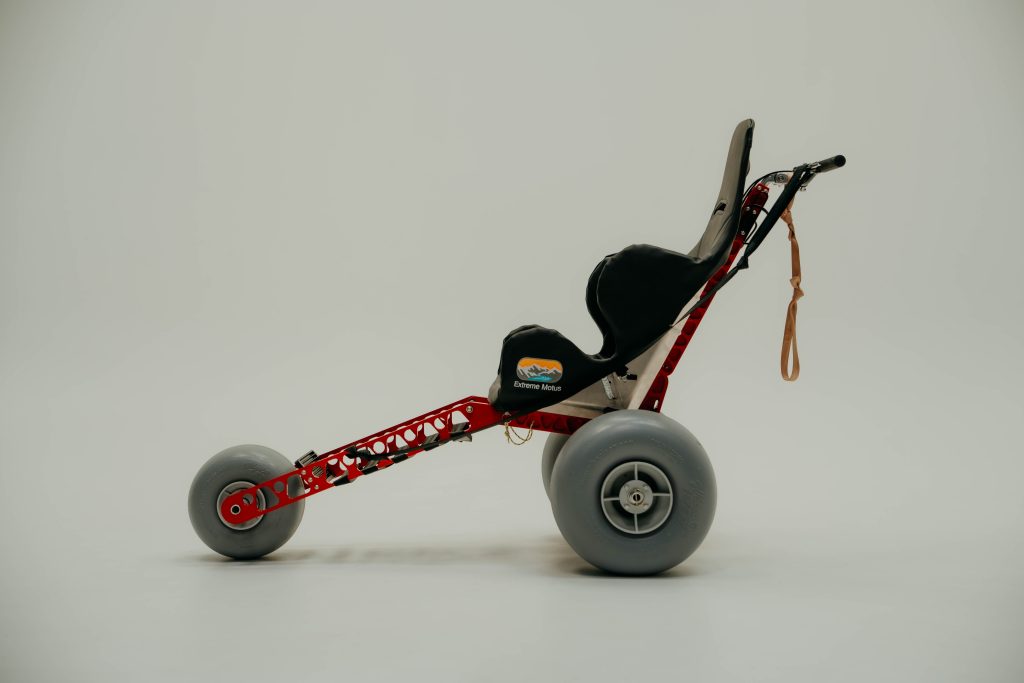
What affects the price: Tire type and width (balloon tires cost more but float better), suspension, frame material and durability, waterproofing, and whether you need a motor or manual propulsion.
→ See all 59 locations on our interactive map
If $4,500 still feels like a leap of faith, you can test-drive a Motus on real terrain first — at parks, zoos, adaptive sports nonprofits, and rental programs across the US, Canada, Australia, and the UK. Find a location near you on our map →
Mobility Scooters: $800 – $5,000
Scooters work best for people who can sit upright without significant trunk support and operate handlebar controls. They’re popular for shopping, neighborhood errands, and travel.
Price breakdown:
- Travel/portable scooters: $800 – $1,500. Foldable, lightweight, limited range. Great for car trunks and short trips.
- Mid-size daily-use scooters: $1,500 – $3,000. Better comfort, longer range (10–15 miles), reasonable outdoor capability.
- Heavy-duty all-terrain scooters: $3,500 – $5,000. Powerful motors, weather-resistant, larger weight capacity (up to 500+ lbs). Built for heavier riders and rougher environments.
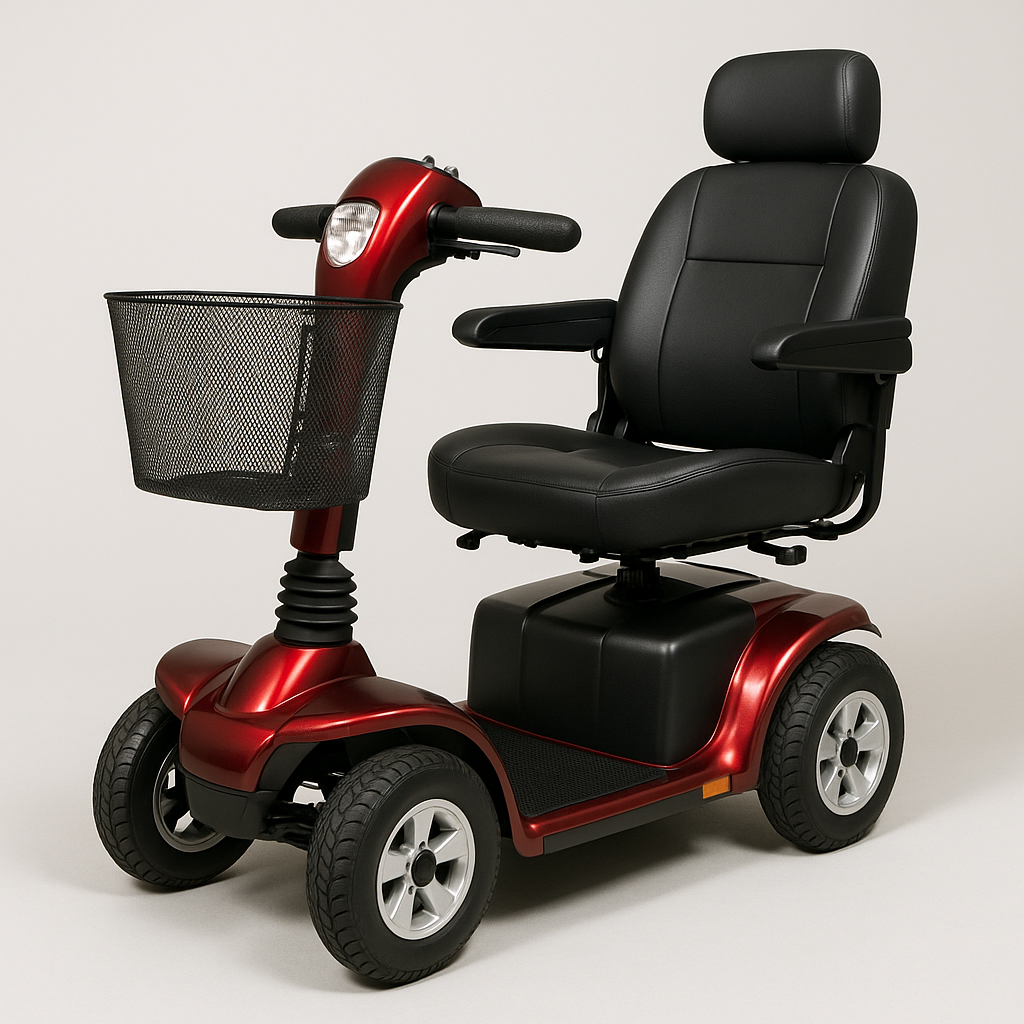
What affects the price: Wheel configuration (3-wheel vs. 4-wheel), battery range, weight capacity, suspension quality, and accessories like baskets or lighting.
Custom Features Can Add $500 – $5,000
Don’t assume a base-model chair will work for you. The most important upgrades are the ones that directly impact daily comfort and independence. Here’s what actually matters:
- Custom-molded seat and backrest
- Pressure-relief cushions (crucial if you sit all day)
- Power tilt, recline, and leg elevation
- Elevating seat for reaching counters or cabinets
- Advanced control options (sip-and-puff, eye-gaze, smartphone control)
- Upgraded suspension or larger motors
If you spend 8+ hours a day in your chair, or have complex medical needs, these upgrades aren’t luxury — they’re necessity. Budget for them.
Used Wheelchairs: Save 30–70%
Buying second-hand can make sense — especially if you’re trying a new style, have temporary mobility needs, or need to test-drive an expensive model before committing.
Smart ways to buy used:
- Reputable medical supply resellers or certified refurbished programs
- Test drive in person whenever possible
- Inspect battery life, frame integrity, and seat condition carefully
- Avoid outdated electronics that won’t be serviced anymore
- Make sure it meets your specific medical and mobility needs
Online marketplaces like eBay, Facebook Marketplace, and local nonprofits have listings. Just vet carefully — a great deal on the wrong chair is still a waste of money.
Insurance and Medicare Coverage
This is where a lot of people get surprised. Medicare does cover wheelchairs — but only certain types, under specific conditions. Here’s the reality:
What Medicare Part B covers:
- Standard and lightweight manual wheelchairs (after a doctor’s prescription and in-person evaluation)
- Power wheelchairs (with stricter approval requirements — often requiring a face-to-face mobility evaluation and home assessment)
- Power-operated vehicles/scooters (with medical justification)
- Medicare typically pays 80% after you meet your Part B deductible
- You pay the remaining 20% — unless supplemental insurance covers it
What Medicare does NOT typically cover:
- All-terrain wheelchairs (classified as “recreational”, not medically necessary for in-home mobility)
- Any wheelchair over the Medicare allowable amount
- Custom accessories and add-ons
Pro tip: To qualify for Medicare coverage, you need a doctor’s prescription, proof of medical necessity (usually from a face-to-face exam), and a supplier enrolled in Medicare. If you don’t meet those criteria, coverage is denied — period.
Annual Upkeep Costs
The chair itself is just the starting cost. Budget for ongoing maintenance:
- Cushions: $200–$700+ every 2–5 years (sooner if you’re sitting 8+ hours daily)
- Tires: $50–$300 per tire depending on type; replace every 1–3 years depending on use
- Batteries (powered chairs): $800–$2,000+ every 3–5 years
- Repairs and adjustments: $100–$300 per service call
- Annual maintenance: Seal bearing, clean drivetrain, adjust brakes — $150–$400 if you do it at a shop
A lot of people skip maintenance until something breaks. Invest a few hundred dollars a year and your chair will last twice as long.
Frequently Asked Questions
How much does a basic wheelchair cost?
A basic steel hospital wheelchair runs $100–$300. A quality lightweight manual chair (something you’ll actually want to use daily) starts at $300–$800. For all-terrain use, expect $2,500+. There’s a huge gap between “cheapest wheelchair” and “right wheelchair for your life.”
Does Medicare cover power wheelchairs?
Yes, Medicare Part B can cover power wheelchairs — but there are strict rules. You need a doctor’s prescription, a face-to-face mobility evaluation, documentation of medical necessity, prior authorization, and a Medicare-approved DME supplier. Many power wheelchair requests are denied on the first try. Work with your doctor and supplier to submit a strong appeal if needed.
Can I get financial help paying for a wheelchair?
Yes. Options include: disability-specific grants (Christopher & Dana Reeve Foundation, Kelly Brush Foundation, MDA, ALS Association), VA benefits for veterans, manufacturer payment plans (many offer 0% financing for 12–24 months), HSA/FSA funds (with a Letter of Medical Necessity), and crowdfunding through advocacy networks. Don’t assume you have to pay cash.
Will my private insurance cover a wheelchair?
It depends on your plan and whether the wheelchair is prescribed as medically necessary. Some plans cover 50–80% of approved chairs. Check your policy, get a doctor’s prescription, and submit for pre-authorization before you buy. Don’t assume coverage — confirm it in writing first.
What’s the average price someone actually pays?
Most people who buy a wheelchair they’ll use daily spend $2,000–$5,000 out of pocket after insurance. If you’re buying without insurance coverage, expect $3,000–$8,000 for a quality manual chair, $8,000–$20,000 for a decent power chair. All-terrain chairs run higher because they’re usually not covered by insurance.
How long does a wheelchair last?
A well-maintained manual wheelchair lasts 5–10 years or longer. Power wheelchairs typically last 5–8 years before batteries and motors degrade. Heavy daily use shortens lifespan. Regular maintenance — tire checks, bearing seals, brake adjustments — doubles the chair’s working life.
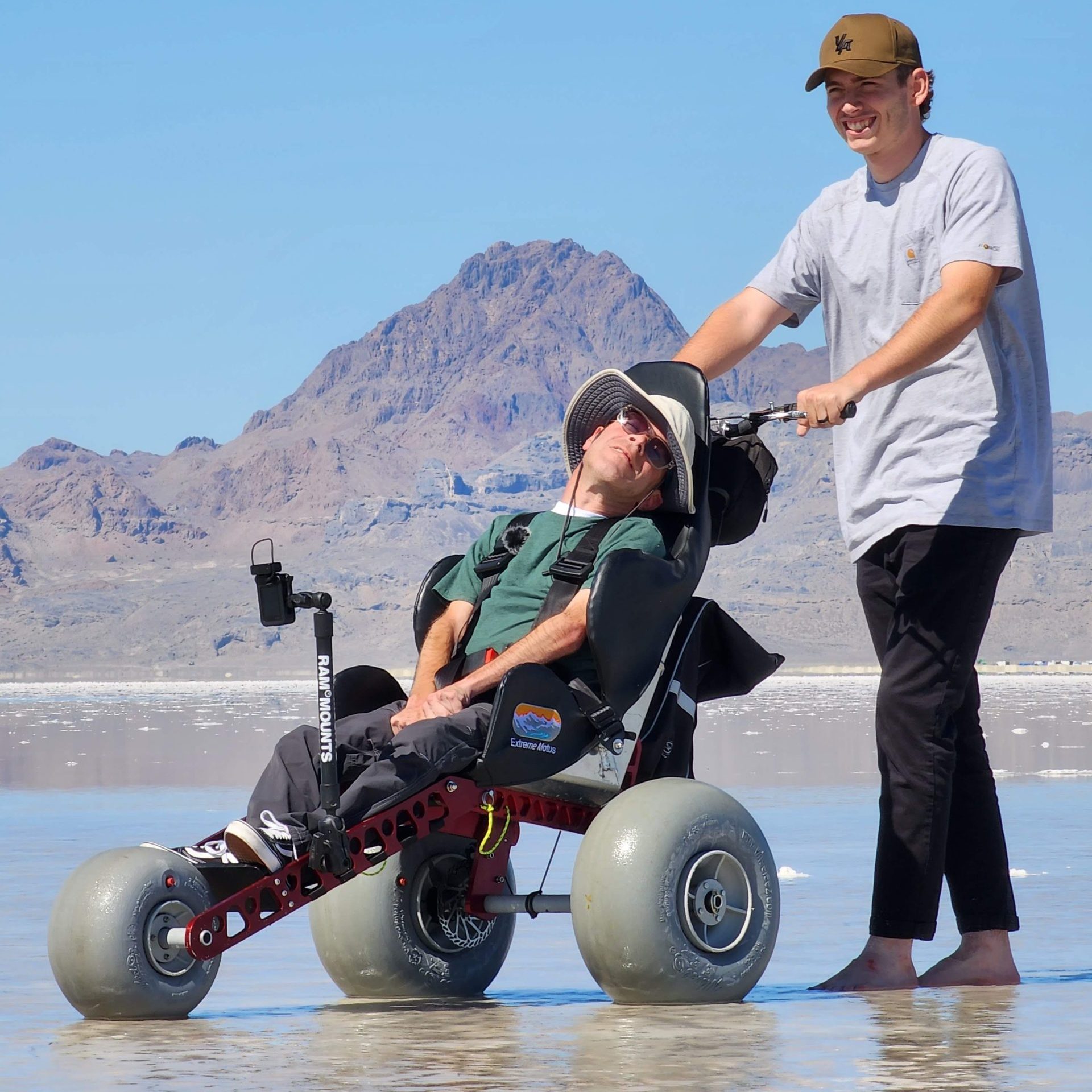
Try the Motus before you buy
Ride a Motus on real terrain near you. Feel the weight, test the suspension, see how it loads in your vehicle — all before you commit.
Free demo experience. No pressure. Locations across the U.S.
Request a demo experience →Bottom line: Wheelchair costs vary wildly depending on what you actually need. Start with a clear picture of where you’ll use the chair, what you can physically do (push it yourself, need someone to push, need power), and what insurance might cover. Then add a little buffer for upgrades and maintenance. The most expensive wheelchair is the one that sits unused — so prioritize fit over price. When in doubt, talk to an occupational therapist or seating specialist before you buy.
Ryan Grassley · ryan@extrememotus.com

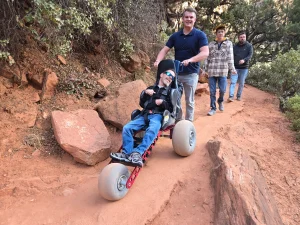

How it all started - Meet Sam & Ryan
Since 2019, Sam and Ryan have been demonstrating that nature is wheelchair accessible with the Extreme Motus All Terrain Wheelchair. From National Parks to Skateparks, their adventures prove that a manual off-road wheelchair can offer laughter and joy while navigating diverse terrains.
Join us as we continue to share these inspiring journeys.
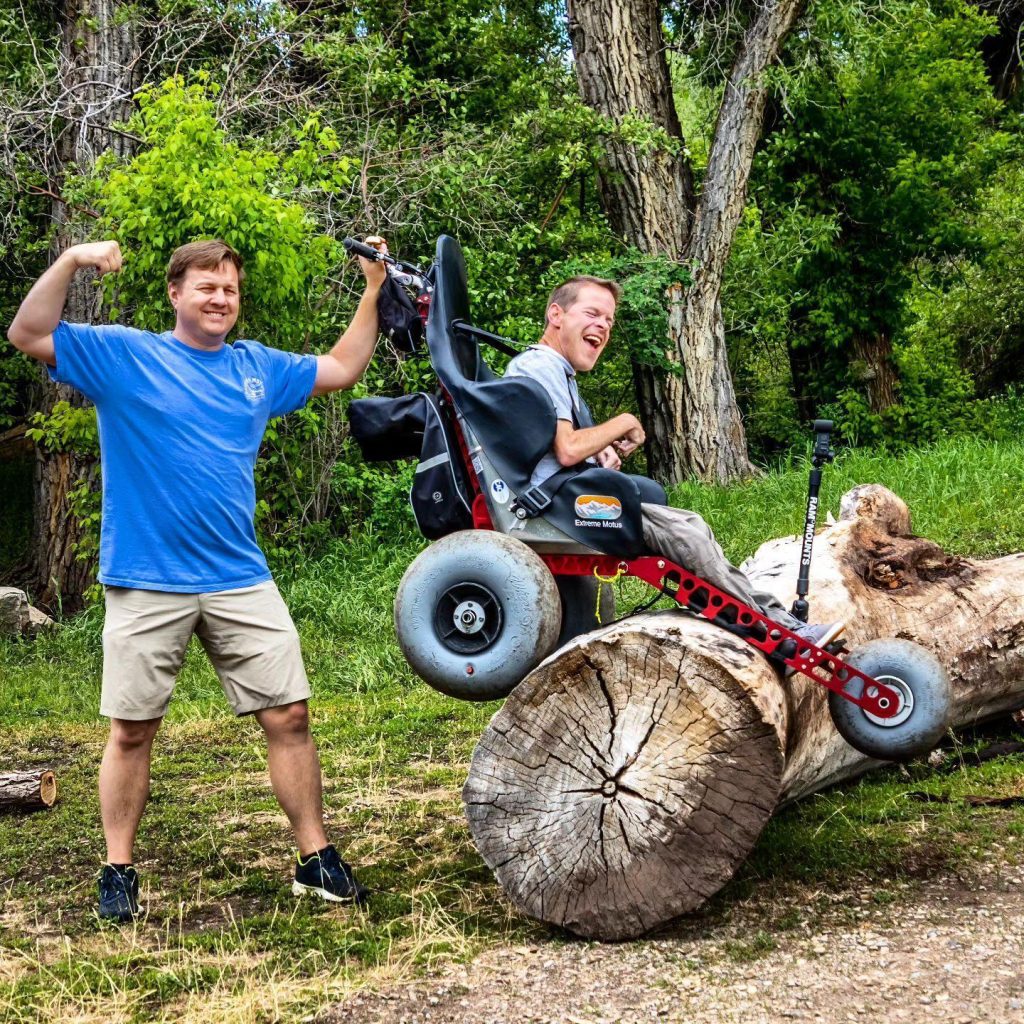
Discover Freedom with the Extreme Motus All Terrain Wheelchair
Light, comfortable, and compact, the Extreme Motus glides over sand, rocks, grass, gravel, and even floats in water.
It's more than a outdoor wheelchair; it's your ticket to freedom. Embrace the outdoors with confidence, knowing our off-road wheelchair is engineered for durability and ease of use.
Be the first to hear about new gear, upcoming adventures, and exclusive offers. As a welcome gift, you'll get a $100 coupon toward the Motus All-Terrain Wheelchair — delivered straight to your inbox.
By subscribing you agree to receive marketing communications from Extreme Motus, including product updates, promotions, and special offers. I understand I can unsubscribe at any time.