

7 Crucial Facts About Chiari Malformation
Quick answer: Chiari Malformation is a condition where brain tissue extends into the spinal canal, affecting an estimated 1 in 1,000 people. While many cases are asymptomatic, symptomatic Chiari can cause motor dysfunction, pain, and neurological symptoms. Type I is most common (95% of symptomatic cases), and surgical decompression is effective for appropriate candidates.
Chiari Malformation is a neurological condition in which cerebellar tissue herniates through the foramen magnum into the spinal canal. Understanding its causes, symptoms, types, and treatment options—alongside the therapeutic benefits of outdoor activity—can help individuals and families manage this condition and maintain quality of life.
1. What Causes Chiari Malformation?
Chiari Malformation occurs when brain tissue—specifically the cerebellar tonsils—herniates through the foramen magnum (opening at the base of the skull) into the spinal canal. This structural abnormality disrupts normal neurological function and can compress spinal cord tissue.
Primary Causes and Contributing Factors:
- Congenital Factors: Often present from birth due to structural or developmental abnormalities of the skull and spine during fetal development.
- Spinal Cord Tethering: The spinal cord is abnormally attached, creating tension that can contribute to Chiari formation.
- Cerebrospinal Fluid Dynamics: Imbalances in CSF flow and pressure may exacerbate symptoms or progression.
- Acquired Chiari: Rarely, trauma, infection, or tumor can cause secondary Chiari Malformation.
2. How Many People Have Chiari Malformation?
Chiari Malformation is estimated to affect 1 in 1,000 people in the general population. However, the condition is often underdiagnosed because many individuals are asymptomatic. Symptomatic cases are considerably less common and occur when the herniation compresses neural tissue or disrupts CSF flow.
3. What Are the Types of Chiari Malformation?
Chiari Malformation is classified into four types based on severity and the extent of tissue herniation:
- Type I (Most Common): Cerebellar tonsils extend 5mm or more below the foramen magnum. Accounts for approximately 95% of symptomatic cases. Presents with variable symptoms ranging from asymptomatic to significant neurological dysfunction.
- Type II: Involves more extensive herniation of cerebellar tissue and brainstem. Often associated with spina bifida. Typically causes more severe symptoms.
- Type III: Rare; involves herniation of the cerebellum through a spinal canal defect. Often incompatible with life or causes severe disability.
- Type IV: The rarest form; characterized by underdevelopment (hypoplasia) of the cerebellum itself rather than true herniation.
4. What Are Treatment Options for Chiari Malformation?
Treatment is individualized based on symptom severity, progression, and impact on daily function. Options include:
- Conservative Management: For asymptomatic or mildly symptomatic cases, regular monitoring with serial imaging and clinical assessment may be sufficient.
- Medications: Pain management (analgesics, neuropathic agents), anti-nausea medication, and symptom-specific therapies address acute symptoms without addressing underlying structural pathology.
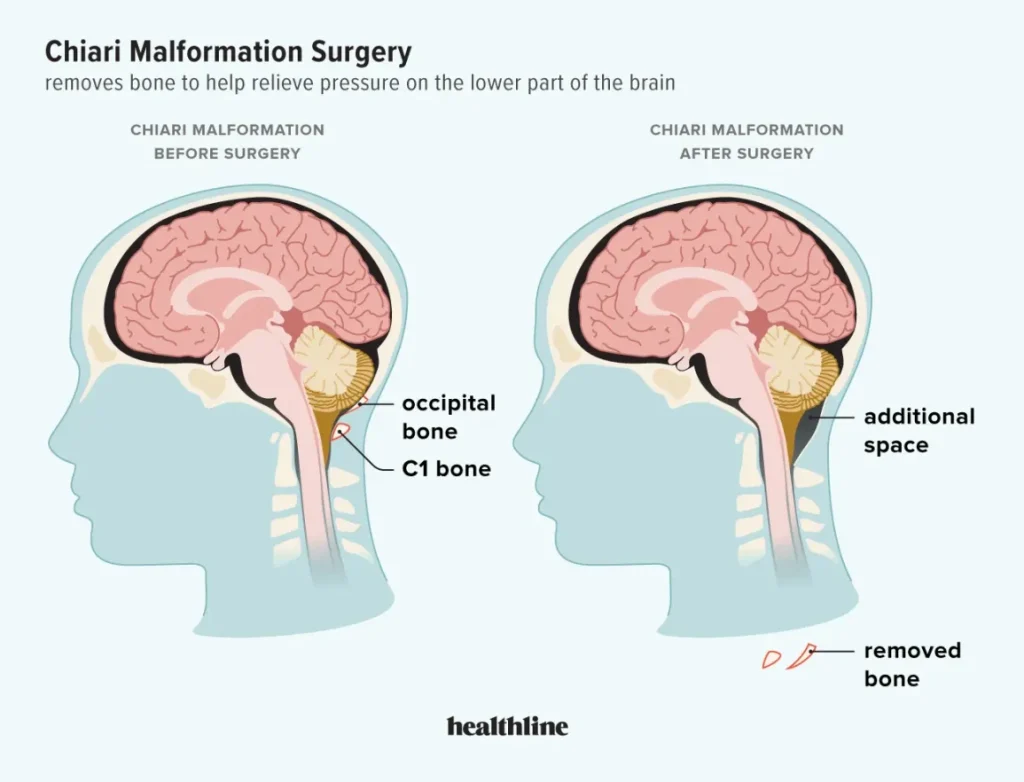
- Posterior Fossa Decompression Surgery: The primary surgical treatment; creates more space at the base of the skull to relieve pressure on the cerebellum and spinal cord. Success rates are generally favorable in appropriately selected patients.
- CSF Shunting: For cases where syringomyelia or hydrocephalus is present, a shunt may divert excess cerebrospinal fluid to manage pressure and symptoms.
- Physical Therapy and Rehabilitation: Improves motor control, coordination, strength, and balance to maximize functional capacity.
- Lifestyle Modifications: Avoiding high-impact activities, heavy lifting, and activities that increase intracranial pressure; stress management and ergonomic adjustments.
5. How Does Chiari Malformation Affect Families?
Chiari Malformation creates multifaceted challenges for affected individuals and their families:
- Diagnostic Uncertainty: Many patients experience delays in diagnosis due to symptom variability and the condition’s relative rarity, leading to frustration and anxiety.
- Emotional and Psychological Impact: Coping with chronic, unpredictable symptoms; managing pain; and facing surgical decisions can be emotionally taxing.
- Caregiving Responsibilities: Family members often provide physical support, transportation to medical appointments, and emotional care.
- Financial Burden: Medical costs including imaging, specialist visits, surgery, physical therapy, and potential long-term care needs can accumulate rapidly.
- Activity Restrictions: Families may need to modify recreational plans, exercise routines, and daily activities to accommodate symptom triggers and mobility limitations.
6. Can Chiari Malformation Require a Wheelchair?
Severe cases of Chiari Malformation that cause significant motor dysfunction, balance impairment, or weakness may necessitate wheelchair use. This typically occurs when:
- Loss of balance, coordination, or proprioception makes walking unsafe or impossible.
- Muscle weakness or partial paralysis affects lower extremities.
- Chronic pain, fatigue, or neurological instability limits sustained ambulatory function.
7. Why Is Outdoor Activity Important for People with Chiari?
Outdoor engagement offers significant physical and mental health benefits for individuals with Chiari Malformation:
- Mental Health and Emotional Resilience: Nature reduces stress, anxiety, and depression while fostering emotional well-being and a sense of peace.
- Gentle Physical Activity: Light outdoor movement—walking, sitting in nature, or garden activities—promotes circulation, prevents deconditioning, and may help maintain muscle tone.
- Vitamin D Synthesis: Sunlight exposure supports bone metabolism, immune function, and mood regulation.
- Social Connection: Parks, gardens, and outdoor spaces facilitate meaningful interaction with family and community, reducing isolation.
- Sensory and Cognitive Stimulation: Nature’s diverse sensory experiences—birdsong, rustling leaves, natural scents, changing light—provide enrichment and cognitive engagement.
- Psychological Empowerment: Overcoming mobility barriers through appropriate aids fosters confidence and a sense of agency in facing the condition.
Chiari Malformation and Syringomyelia
An important consideration: approximately 30% of individuals with Chiari Malformation develop syringomyelia (a fluid-filled cavity in the spinal cord), which can cause additional pain, weakness, and numbness. This complication requires specific imaging surveillance and may influence treatment decisions.
Conclusion
Chiari Malformation presents varying degrees of challenge depending on type and symptom severity. With appropriate medical management—whether conservative or surgical—and supportive care including mobility aids and outdoor engagement, individuals can maintain quality of life and independence. Multidisciplinary care involving neurosurgeons, neurologists, physical therapists, and psychosocial support is essential for optimal outcomes.
Ryan Grassley · ryan@extrememotus.com
Frequently Asked Questions
Is Chiari Malformation genetic or inherited?
Most Chiari Malformations are congenital (present from birth) due to structural developmental factors, but they are generally not inherited. However, some rare familial forms do exist. Type II Chiari is associated with spina bifida, which can run in families.
Can Chiari Malformation get worse over time?
Chiari Malformation can be stable, slowly progressive, or occasionally rapidly progressive depending on the individual. Regular neurological monitoring and imaging help track changes and guide treatment decisions.
What is the success rate of decompression surgery?
Posterior fossa decompression surgery has favorable outcomes in appropriately selected patients, with studies showing symptom improvement or stabilization in 70-90% of cases. Success depends on symptom duration, preoperative severity, and patient selection criteria.
How is Chiari Malformation diagnosed?
Diagnosis typically involves MRI of the brain and spinal cord, which clearly visualizes the herniated cerebellar tissue and measures the extent of herniation. Additional imaging may assess for syringomyelia or other associated abnormalities. Clinical examination and symptom history support diagnosis.
What are common symptoms of symptomatic Chiari Malformation?
Common symptoms include headache (often worse with exertion or Valsalva maneuver), neck pain, loss of balance or coordination, weakness or numbness in limbs, dizziness, and occasionally vision or hearing problems. Symptom severity varies widely.
What support resources are available for people with Chiari?
Organizations including the American Syringomyelia and Chiari Alliance Project (ASAP), Conquer Chiari, and Bobby Jones CSF Foundation provide clinical information, support groups, and research updates for patients and families.

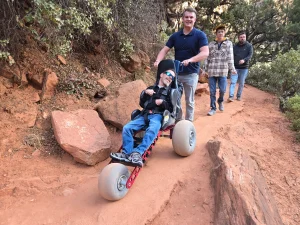

How it all started - Meet Sam & Ryan
Since 2019, Sam and Ryan have been demonstrating that nature is wheelchair accessible with the Extreme Motus All Terrain Wheelchair. From National Parks to Skateparks, their adventures prove that a manual off-road wheelchair can offer laughter and joy while navigating diverse terrains.
Join us as we continue to share these inspiring journeys.
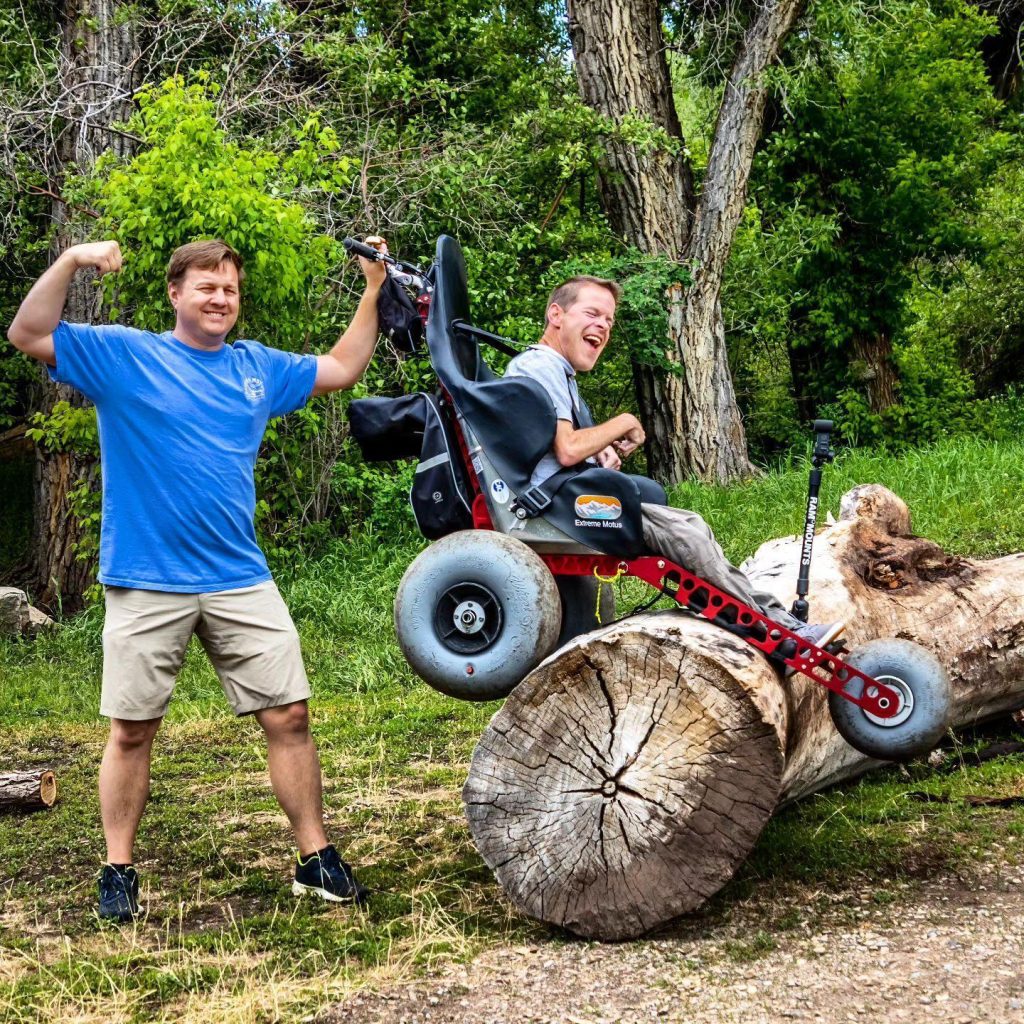
Discover Freedom with the Extreme Motus All Terrain Wheelchair
Light, comfortable, and compact, the Extreme Motus glides over sand, rocks, grass, gravel, and even floats in water.
It's more than a outdoor wheelchair; it's your ticket to freedom. Embrace the outdoors with confidence, knowing our off-road wheelchair is engineered for durability and ease of use.
Be the first to hear about new gear, upcoming adventures, and exclusive offers. As a welcome gift, you'll get a $100 coupon toward the Motus All-Terrain Wheelchair — delivered straight to your inbox.
By subscribing you agree to receive marketing communications from Extreme Motus, including product updates, promotions, and special offers. I understand I can unsubscribe at any time.