

7 Essential Facts About Spinal Muscular Atrophy (SMA)
Quick answer: Spinal Muscular Atrophy (SMA) is a rare genetic disorder affecting approximately 1 in 11,000 births, caused by mutations in the SMN1 gene. Classified into four types based on severity and age of onset, SMA ranges from profoundly limiting (Type I) to mildly progressive (Type IV). Since 2016, three groundbreaking treatments—Spinraza (2016), Zolgensma (2019), and Evrysdi (2020)—have transformed survival and functional outcomes, with newborn screening now standard in most U.S. states.

Find your grant in 90 seconds
Answer 5–7 quick questions and we’ll narrow 50+ adaptive-equipment grants down to the ones you’re most likely to win.
Free. No email required. Plus a 30-min strategy call with Kenny if you want help applying.
Take the Grant Match Quiz →Spinal Muscular Atrophy (SMA) is a progressive genetic neuromuscular disorder that affects motor neurons—the nerve cells controlling voluntary muscle movement. While the disease presents significant challenges, breakthrough treatments and comprehensive support strategies have dramatically improved prognosis and quality of life for individuals diagnosed with SMA and their families.
1. SMA Is Caused by a Mutation in the SMN1 Gene
Spinal Muscular Atrophy results from mutations in the SMN1 gene, which codes for the survival motor neuron (SMN) protein. This protein is essential for the survival and function of motor neurons—the specialized nerve cells that control voluntary muscle movement. When the SMN1 gene is defective or absent, insufficient SMN protein is produced, leading to progressive motor neuron death. This causes the characteristic muscle weakness and atrophy that define SMA.
Genetic pattern: SMA follows an autosomal recessive inheritance pattern, meaning an individual must inherit mutated copies from both parents to develop the condition. Approximately 1 in 50 people carry one copy of the mutation without symptoms. Carrier parents have a 25% chance of having an affected child with each pregnancy.
2. SMA Has Four Main Types, Defined by Age of Onset and Severity
SMA is classified into four types, ranging from profoundly severe to mildly progressive:
- Type I (Werdnig-Hoffmann disease): The most severe form, typically appearing before age 6 months. Affected infants have severe muscle weakness, poor feeding, respiratory insufficiency, and historically, a median survival of 2 years without treatment. Early intervention with disease-modifying therapies has substantially improved outcomes.
- Type II (Intermediate SMA): Symptoms emerge between 6 months and 2 years of age. Affected children develop motor milestones slowly, sit independently but do not walk, and face progressive loss of strength. Life expectancy varies widely, but many individuals reach adulthood with proper support.
- Type III (Kugelberg-Welander disease): Milder form appearing after age 2. Children achieve walking but progressively lose motor function over years. Many individuals with Type III maintain ambulation well into adulthood, with near-normal lifespan.
- Type IV (Adult-Onset SMA): The mildest form, typically diagnosed after age 18. Progression is slow, with individuals often maintaining function for decades. Many adults with Type IV are employed and have normal lifespans.
3. SMA Is Rare But Not Vanishingly Uncommon
Spinal Muscular Atrophy affects approximately 1 in 11,000 live births globally, though estimates vary by population and geographic region (ranging from 1 in 6,000 to 1 in 16,000). In the United States, roughly 25,000 individuals are estimated to be living with SMA. While classified as rare, SMA is the second most common autosomal recessive disorder after cystic fibrosis and the leading genetic cause of infant mortality. The carrier frequency is approximately 1 in 50 people in the general population.
4. Three FDA-Approved Treatments Have Revolutionized SMA Outcomes Since 2016
The treatment landscape for SMA has transformed dramatically in less than a decade:
- Spinraza (nusinersen, FDA approved December 2016): The first disease-modifying therapy for SMA. Spinraza is an antisense oligonucleotide that increases SMN protein production by modifying how the SMN2 gene is processed. Administered via intrathecal injection (into the spinal fluid), it slows disease progression and improves motor function across all SMA types. The treatment requires loading doses followed by maintenance injections.
- Zolgensma (onasemnogene abeparvovec, FDA approved May 2019): A one-time gene therapy that delivers a functional SMN1 gene directly to motor neurons using an adeno-associated virus (AAV) vector. Approved initially for Type I and expanded to Types II and III, Zolgensma offers potentially durable benefit from a single administration. Early-treated patients have shown remarkable functional improvement, including Type I patients achieving sitting and walking milestones previously considered impossible.
- Evrysdi (risdiplam, FDA approved August 2020): An oral small-molecule therapy that increases SMN protein production by promoting SMN2 gene splicing. Evrysdi’s oral formulation (liquid) has made treatment more accessible, particularly for children. Studies show sustained motor function improvement across SMA types, with long-term follow-up demonstrating continued benefit.
Treatment impact: Individuals treated early—especially those with Type I who receive treatment within the first weeks of life—are experiencing unprecedented motor function and survival outcomes. Type I patients treated with gene therapy or early Spinraza have achieved sitting, walking, or running—outcomes that were essentially absent before 2016.
5. Newborn Screening Now Enables Early Intervention in Most U.S. States
The advent of disease-modifying treatments has made early detection critical. Newborn screening for SMA (via SMN1 gene analysis) is now standard practice in most U.S. states and increasingly in other countries. Screening-identified infants can begin treatment within days of birth, before symptom onset. This pre-symptomatic treatment has shown the most dramatic outcomes, with Type I infants treated early often achieving motor milestones that were previously unattainable. Families with a known SMA carrier status should pursue genetic counseling and prenatal screening if desired.
6. SMA Requires Comprehensive Multidisciplinary Care Beyond Gene or Drug Therapy
While disease-modifying treatments address the underlying genetic defect, optimal outcomes require coordinated support across multiple domains:
- Physical and Occupational Therapy: Maintains flexibility, prevents contractures, and optimizes functional mobility. Therapy protocols are tailored to the individual’s SMA type and treatment status.
- Respiratory Management: Many SMA patients, especially Types I and II, require respiratory support (non-invasive ventilation or mechanical ventilation). Proactive management prevents respiratory infections and supports survival.
- Nutritional Support: Swallowing difficulties and altered metabolism may require modified diet textures, feeding tubes, or specialized supplementation to ensure adequate calorie and nutrient intake.
- Orthopedic Monitoring: Scoliosis is common in SMA; bracing or spinal fusion surgery may be necessary to maintain posture and respiratory function.
- Psychological and Social Support: Coping with a chronic progressive condition affects the entire family. Mental health support, genetic counseling, and peer support networks are vital components of care.
- Assistive Devices and Accessibility: Wheelchairs, walkers, standing frames, and environmental modifications enable functional participation and independence. All-terrain wheelchairs expand outdoor access and quality of life for those who require wheeled mobility.
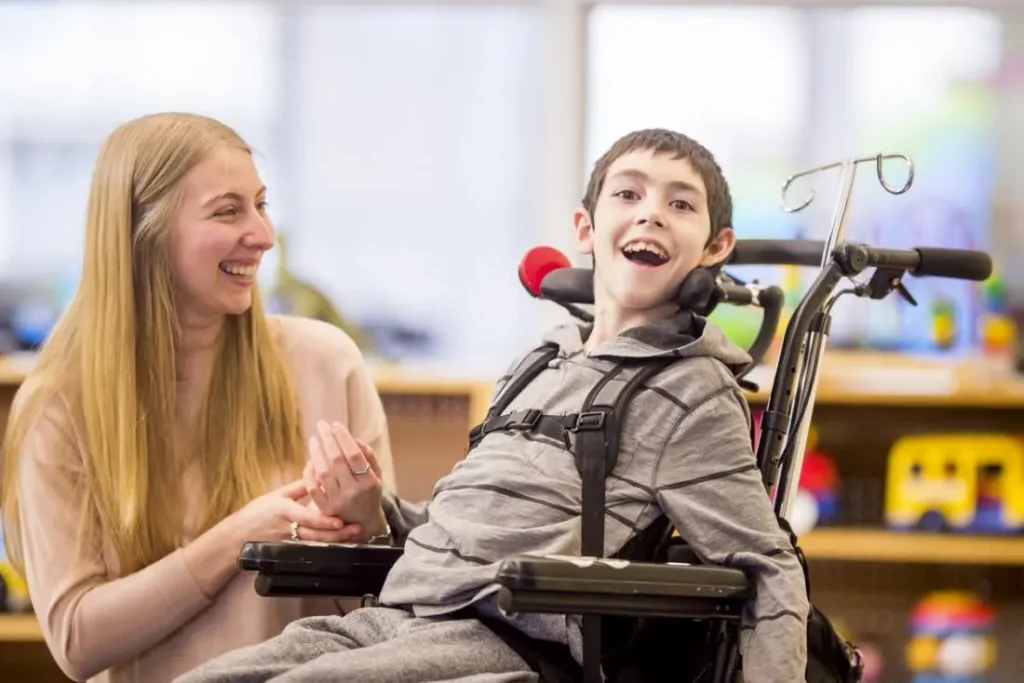
7. Outdoor Engagement and Mobility Enable Quality of Life for SMA Patients
Beyond medical treatment, access to outdoor activity and community participation directly supports physical, emotional, and social well-being for individuals with SMA:
- Physical Benefits: Fresh air, gentle movement, and sensory stimulation (sunlight, nature sounds, textures) promote circulation, prevent secondary complications, and support overall health.
- Mental Health: Time in nature reduces stress, anxiety, and depression. For individuals managing a chronic condition, outdoor engagement fosters resilience and sense of agency.
- Social Inclusion: Accessible outdoor activities (parks, trails, beaches) enable participation in family and community events, reducing isolation and strengthening social bonds.
- Independence and Confidence: Specialized mobility aids—especially all-terrain wheelchairs—remove barriers to exploration and self-directed activity, fostering confidence and autonomy.
For individuals with SMA requiring wheelchair mobility, standard hospital wheelchairs are inadequate for natural terrain. All-terrain wheelchairs with shock-absorbing suspension and terrain-capable wheels enable safe navigation of parks, beaches, trails, and other environments. This access fundamentally changes quality of life by enabling outdoor activities previously thought impossible.
Frequently Asked Questions About SMA
Q: Can someone with SMA live a normal lifespan?
A: Life expectancy depends critically on SMA type and access to treatment. Type IV has near-normal lifespan. Types II and III have variable outcomes, with many individuals reaching adulthood. Type I historically had poor prognosis, but early treatment with gene therapy or Spinraza is substantially extending survival and functional outcomes. Pre-symptomatic treatment offers the best prognosis.
Q: Is there a cure for SMA?
A: No cure exists, but disease-modifying treatments halt or slow progression and improve function. Zolgensma (gene therapy) offers durable benefit, while Spinraza and Evrysdi require ongoing administration. Combined with comprehensive supportive care, these treatments enable individuals with SMA—including Type I—to achieve developmental milestones and maintain independence previously considered unattainable.
Q: Can I have children if I’m a carrier?
A: Carriers (one mutated copy) are healthy and unaffected. If both parents are carriers, there is a 25% chance each child will have SMA, 50% will be a carrier, and 25% will be unaffected. Genetic counseling, carrier testing of partners, and prenatal diagnosis (if desired) can inform reproductive decisions. Advances in treatment mean even an SMA diagnosis today carries far better prognosis than a decade ago.
Q: What is the role of newborn screening?
A: Newborn screening for SMA identifies affected infants before symptom onset, enabling immediate treatment initiation. Pre-symptomatic treatment produces the most dramatic outcomes. If your newborn is screened positive, consult a pediatric SMA specialist immediately; early treatment is transformative.
Q: How does Zolgensma differ from Spinraza and Evrysdi?
A: Zolgensma is a one-time gene therapy that restores the SMN1 gene directly. Spinraza and Evrysdi are ongoing therapies that increase SMN protein production via the SMN2 backup gene. Each has distinct advantages; choice depends on patient age, SMA type, access, and individual response. Many specialists now offer Zolgensma as first-line therapy for eligible patients due to its durable benefit.
Q: Will my child with SMA be able to walk or play outdoors?
A: This depends on SMA type and treatment. Pre-symptomatic Type I patients treated with gene therapy or early Spinraza are achieving walking and running—milestones previously impossible. Types II and III treated early show sustained motor function. Even individuals requiring wheelchair mobility can access and enjoy outdoor environments via all-terrain wheelchairs, enabling active participation in family and community life. Modern treatment and accessibility tools have dramatically expanded possibilities.
Conclusion: From Diagnosis to Possibility
An SMA diagnosis today is fundamentally different from ten years ago. Disease-modifying treatments, early detection via newborn screening, and comprehensive multidisciplinary care have transformed outcomes and extended possibilities for individuals with all SMA types. Combined with accessible mobility aids and outdoor engagement, individuals with SMA—and their families—can pursue meaningful, active lives. Consult with a pediatric or adult SMA specialist to understand treatment options and develop a care plan tailored to individual circumstances.
Ryan Grassley · ryan@extrememotus.com
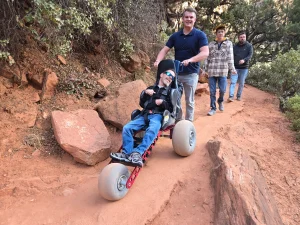
How it all started - Meet Sam & Ryan
Since 2019, Sam and Ryan have been demonstrating that nature is wheelchair accessible with the Extreme Motus All Terrain Wheelchair. From National Parks to Skateparks, their adventures prove that a manual off-road wheelchair can offer laughter and joy while navigating diverse terrains.
Join us as we continue to share these inspiring journeys.
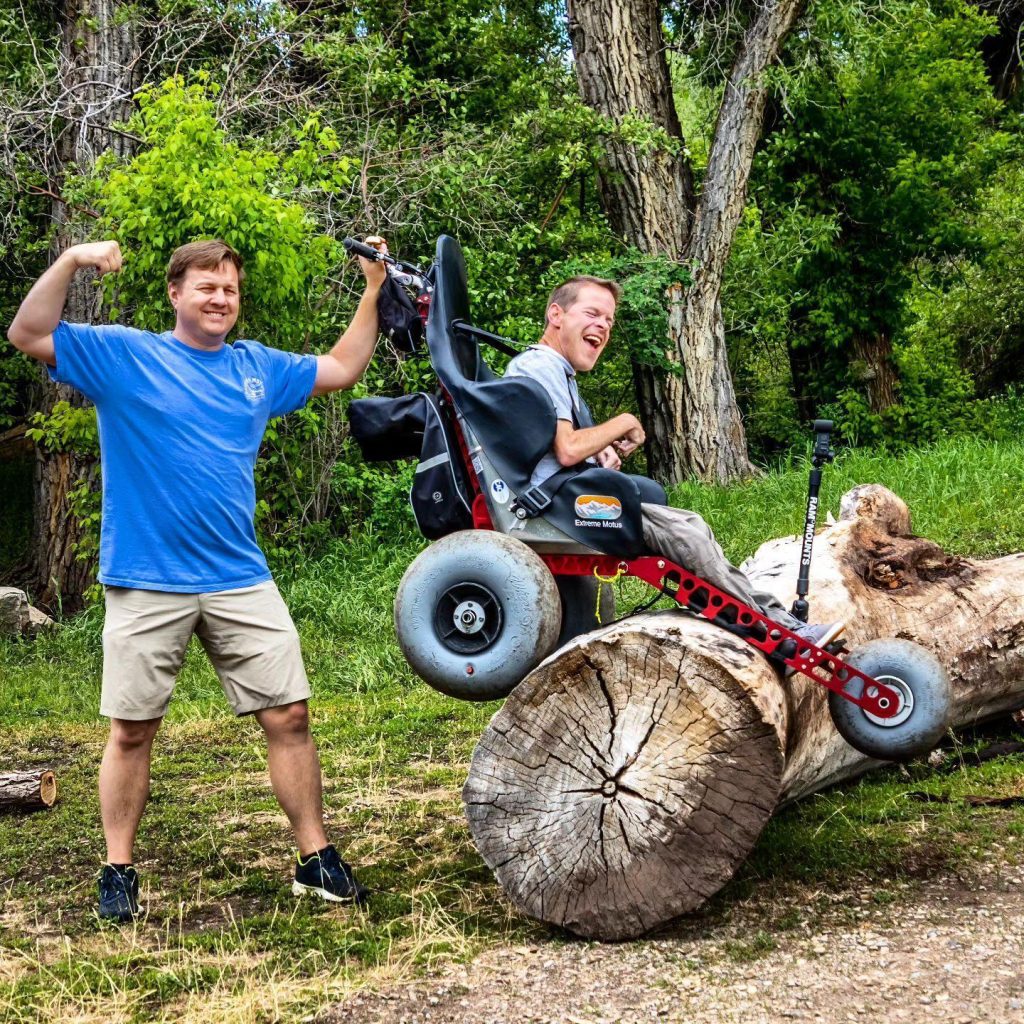
Discover Freedom with the Extreme Motus All Terrain Wheelchair
Light, comfortable, and compact, the Extreme Motus glides over sand, rocks, grass, gravel, and even floats in water.
It's more than a outdoor wheelchair; it's your ticket to freedom. Embrace the outdoors with confidence, knowing our off-road wheelchair is engineered for durability and ease of use.
Be the first to hear about new gear, upcoming adventures, and exclusive offers. As a welcome gift, you'll get a $100 coupon toward the Motus All-Terrain Wheelchair — delivered straight to your inbox.
By subscribing you agree to receive marketing communications from Extreme Motus, including product updates, promotions, and special offers. I understand I can unsubscribe at any time.