

Endometriosis is a debilitating condition that affects millions of people worldwide, causing chronic pain, reduced mobility, and a profound impact on daily life. While medical treatments can help manage the condition, spending time outdoors and using tools like an all-terrain wheelchair can provide significant physical and emotional relief. Let’s explore what advanced endometriosis is, how it affects individuals and their families, and how outdoor activities can play a role in improving quality of life.
Quick answer: Endometriosis affects roughly 10% of reproductive-age women (~190 million globally). Average diagnostic delay is 7-10 years. Advanced stages cause severe pelvic pain, mobility challenges, and fatigue. Treatment options include hormonal therapy, laparoscopic surgery, and pain management. All-terrain wheelchairs enable safe outdoor access during flare-ups.
1. What Causes Endometriosis?
Endometriosis occurs when tissue similar to the lining of the uterus grows outside the uterus, often affecting the ovaries, fallopian tubes, and pelvic lining. In advanced stages, this tissue can spread to other organs, leading to severe pain and complications. The exact cause remains unclear, but several mechanisms are proposed:
- Retrograde Menstruation: Menstrual blood flows backward into the pelvic cavity instead of exiting the body.
- Genetics: Family history may increase the risk.
- Immune System Disorders: Impaired immune responses may fail to eliminate misplaced endometrial tissue.
- Hormonal Factors: Estrogen plays a significant role in promoting the growth of endometrial-like tissue.
2. How Many People Are Affected by Endometriosis?
Endometriosis affects approximately 10% of women of reproductive age worldwide—around 190 million individuals. Advanced endometriosis is less common but significantly more debilitating, often causing severe disruptions in daily functioning, work, and quality of life. Diagnosis is frequently delayed; the average time from symptom onset to diagnosis is 7-10 years, during which many sufferers struggle without proper care.
3. What Are the Key Treatments for Advanced Endometriosis?
While there is no cure for endometriosis, treatments focus on managing symptoms and improving quality of life. Advanced stages may require more aggressive interventions:
- Medications:
- Hormonal therapies (e.g., birth control pills, GnRH agonists, progestins) to reduce tissue growth and pain.
- Nonsteroidal anti-inflammatory drugs (NSAIDs) and opioids for pain management in severe cases.
- Surgical Intervention:
- Laparoscopic excision surgery to remove endometrial tissue (considered the gold standard diagnostic and treatment approach).
- Hysterectomy with bilateral salpingo-oophorectomy in severe cases where other treatments fail.
- Lifestyle Modifications:
- Anti-inflammatory diets, physical therapy, pelvic floor therapy, and stress management techniques.
- Psychological Support:
- Counseling and support groups to address the emotional and psychological burden of chronic pain and infertility concerns.

4. How Does Advanced Endometriosis Affect Family Members?
Endometriosis doesn’t just affect the individual—it impacts the entire family system:
- Emotional Impact: Family members may experience stress, frustration, or helplessness seeing their loved one in chronic pain.
- Caregiving Responsibilities: Partners and family members often provide support, which can lead to caregiver fatigue and burnout.
- Strained Relationships: Chronic pain and reduced mobility may limit social and family activities, affecting intimacy and connection.
- Financial Strain: Medical treatments, surgeries, and lost workdays due to pain flare-ups can create significant financial challenges.
5. Can Advanced Endometriosis Require the Use of a Wheelchair?
In severe cases, advanced endometriosis can cause mobility challenges that may temporarily or permanently require mobility aids:
- Chronic Pelvic Pain: Persistent, debilitating pain that severely limits movement and standing tolerance.
- Nerve Involvement: Endometrial tissue can press on or invade nerves, causing referred pain, weakness, or numbness in the legs.
- Post-Surgical Recovery: Recovery from major surgeries such as laparoscopy or hysterectomy may temporarily require mobility aids.
- Fatigue and Anemia: Advanced endometriosis and associated heavy menstrual bleeding can lead to anemia and severe fatigue, limiting physical capability.
For some individuals, a wheelchair becomes essential for maintaining mobility and independence, especially during acute flare-ups or in the post-operative period.
6. Why Is Spending Time Outdoors Important for People with Advanced Endometriosis?
Nature offers therapeutic benefits that are especially valuable for those living with chronic pain:
- Reduces Stress and Pain Perception: Time outdoors lowers cortisol levels, which can help reduce pain sensation and promote relaxation.
- Improves Mood: Exposure to sunlight boosts serotonin and improves overall mood, reducing feelings of depression and anxiety that often accompany chronic illness.
- Encourages Gentle Movement: Outdoor spaces provide opportunities for low-impact activity—such as leisurely sitting, gentle wheelchair exploration, or short walks—that can improve circulation without triggering pain.
- Fosters Social Connection: Outdoor spaces provide opportunities to connect with family and friends, combating isolation.
- Breaks the Monotony of Pain: Spending time outdoors offers a refreshing change from being indoors, especially for those managing long-term conditions and frequent medical interventions.
7. How Does Spending Time Outdoors Affect Mental and Physical Health?
Outdoor activities provide a holistic boost to well-being for people with advanced endometriosis:
- Mental Health Benefits:
- Reduces isolation and improves overall outlook on life.
- Encourages mindfulness and acceptance, helping to manage the emotional toll of chronic illness and pain.
- Physical Health Benefits:
- Promotes gentle movement, which can ease pelvic tension and improve overall stamina.
- Enhances sleep quality through exposure to natural light and reduced stress hormones.
- Supports vitamin D synthesis through sunlight exposure, which may help with immune regulation.
8. How Can an All-Terrain Wheelchair Help People with Advanced Endometriosis Enjoy the Outdoors?
Mobility challenges often limit outdoor access for individuals with advanced endometriosis. An all-terrain wheelchair can provide freedom and comfort:
- Handles Rough Terrain: Designed to navigate trails, grass, sand, and uneven paths, making parks, beaches, and forests accessible despite mobility limitations.
- Provides Stability and Comfort: Ergonomic seating with lumbar support and shock-absorbing features ensure a smooth ride, even on bumpy surfaces, minimizing pressure on sensitive pelvic areas.
- Promotes Independence: Enables users to explore nature without relying heavily on caregivers or family members for support.
- Encourages Social Engagement: Makes it easier to participate in group activities and family outings, fostering belonging.
- Reduces Pain and Fatigue: Allows individuals to conserve energy while enjoying the outdoors, minimizing pain flares triggered by excessive standing or walking.
What is the Extreme Motus All-Terrain Wheelchair?
The Extreme Motus All-Terrain Wheelchair is an innovative mobility aid that can provide transformative benefits for individuals with advanced endometriosis, a chronic condition that can lead to debilitating pain, fatigue, and mobility challenges. By prioritizing comfort, stability, and accessibility, this wheelchair helps users overcome physical limitations, enabling them to enjoy outdoor activities and improve their quality of life.
How the Extreme Motus Wheelchair Benefits People with Advanced Endometriosis
1. Provides Comfort During Pain Flares
- Ergonomic Seating: Offers excellent support for the lower back and abdomen, areas often affected by endometriosis pain, minimizing discomfort during use.
- Shock-Absorbing Suspension: Reduces vibrations and jolts while navigating uneven terrain, preventing additional strain on sensitive areas.
2. Reduces Physical Strain
- Energy Conservation: Advanced endometriosis often leads to fatigue, and the wheelchair eliminates the need for extended walking or standing, allowing users to conserve energy for other activities.
- Gentle Mobility: Enables light activity without overexertion, which can worsen pain or trigger flare-ups.
3. Enables Access to Outdoor Environments
- All-Terrain Capability: Designed to handle gravel, sand, dirt trails, and grassy fields, the wheelchair allows users to enjoy parks, beaches, and hiking trails that might otherwise be inaccessible.
- Durable and Stable Frame: Provides safety and confidence on challenging terrains, ensuring users can explore without fear of discomfort or instability.
4. Supports Mental and Physical Well-Being
- Encourages Outdoor Activities: Spending time in nature can reduce stress, improve mood, and foster relaxation—key benefits for managing the mental and emotional strain of living with chronic pain.
- Boosts Vitamin D Levels: Exposure to sunlight enhances immune health and bone strength, which can be beneficial for individuals dealing with associated health challenges.
- Promotes Emotional Renewal: Time outdoors offers a sense of freedom and normalcy, helping users reconnect with themselves and their surroundings.
5. Fosters Social Engagement
- Facilitates Group Activities: The wheelchair allows users to join family outings, community events, and social gatherings, creating opportunities for meaningful interaction and connection.
- Strengthens Relationships: Shared outdoor experiences foster emotional bonds and reduce feelings of isolation.
6. Promotes Independence
- User-Friendly Operation: Easy to maneuver and control, the wheelchair enables users to navigate outdoor spaces independently or with minimal assistance.
- Builds Confidence: Overcoming mobility barriers allows users to embrace adventure and reclaim their autonomy.
Why the Extreme Motus Wheelchair Is Ideal for Advanced Endometriosis
The Extreme Motus wheelchair offers a unique combination of comfort, stability, and versatility, making it an ideal solution for individuals managing the challenges of advanced endometriosis. Whether navigating rough terrain or enjoying a relaxing day outdoors, this wheelchair empowers users to engage with life fully and without limitations.
Rediscover Freedom with Extreme Motus
Living with advanced endometriosis doesn’t have to mean missing out on life’s adventures. The Extreme Motus all-terrain wheelchair provides the tools to explore the outdoors, connect with loved ones, and enjoy nature with ease and comfort.
Ready to take the first step? Discover how the Extreme Motus wheelchair can help you or a loved one overcome mobility challenges and live actively.
Conclusion: Rediscover Joy and Freedom with Nature
Advanced endometriosis presents significant challenges, but spending time outdoors can offer a much-needed reprieve. The physical and emotional benefits of nature, combined with the freedom provided by an all-terrain wheelchair, empower individuals to reconnect with the world around them.
Ready to embrace the outdoors? Discover our range of all-terrain wheelchairs designed to help individuals with mobility challenges reclaim their freedom and enjoy the beauty of nature. Let’s make outdoor adventures accessible for everyone!
Ryan Grassley · ryan@extrememotus.com
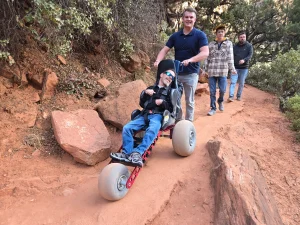
How it all started - Meet Sam & Ryan
Since 2019, Sam and Ryan have been demonstrating that nature is wheelchair accessible with the Extreme Motus All Terrain Wheelchair. From National Parks to Skateparks, their adventures prove that a manual off-road wheelchair can offer laughter and joy while navigating diverse terrains.
Join us as we continue to share these inspiring journeys.
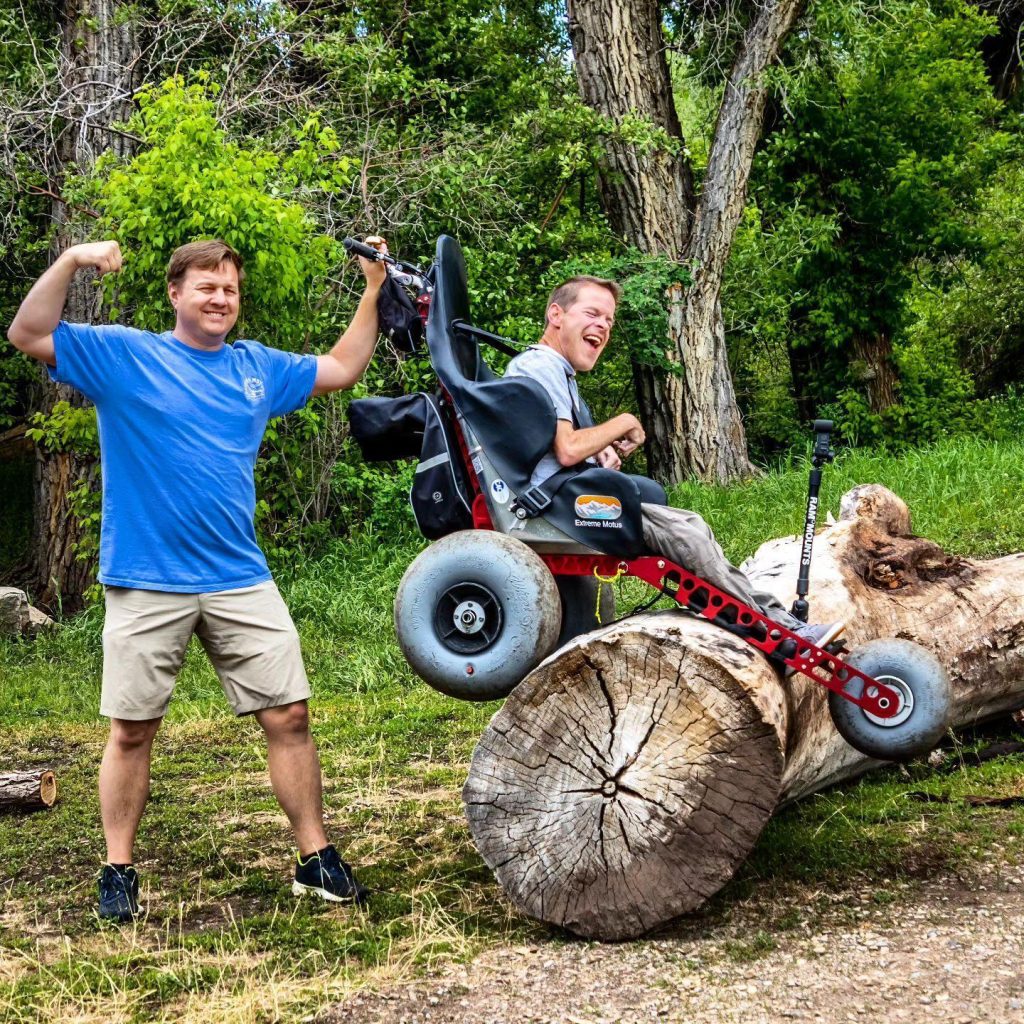
Discover Freedom with the Extreme Motus All Terrain Wheelchair
Light, comfortable, and compact, the Extreme Motus glides over sand, rocks, grass, gravel, and even floats in water.
It's more than a outdoor wheelchair; it's your ticket to freedom. Embrace the outdoors with confidence, knowing our off-road wheelchair is engineered for durability and ease of use.
Be the first to hear about new gear, upcoming adventures, and exclusive offers. As a welcome gift, you'll get a $100 coupon toward the Motus All-Terrain Wheelchair — delivered straight to your inbox.
By subscribing you agree to receive marketing communications from Extreme Motus, including product updates, promotions, and special offers. I understand I can unsubscribe at any time.