

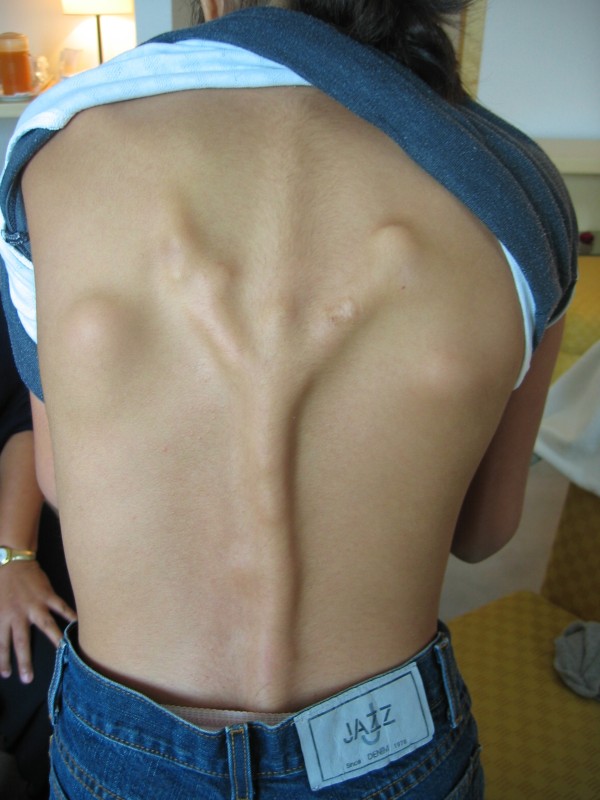
Fibrodysplasia Ossificans Progressiva (FOP) is one of the rarest and most debilitating genetic conditions, causing connective tissues to turn into bone. While managing FOP requires specialized care and a prevention-focused approach, understanding the condition and recent breakthroughs—including the first FDA-approved treatment—empowers individuals and families. Here’s everything you need to know about FOP.
Quick answer: FOP affects approximately 1 in 2 million people worldwide with fewer than 900 confirmed cases globally. Caused by an ACVR1 gene mutation, it turns muscle and connective tissue into bone. In August 2023, palovarotene (Sohonos) became the first FDA-approved treatment, reducing new bone formation by approximately 60% in clinical trials.
1. What Causes Fibrodysplasia Ossificans Progressiva?
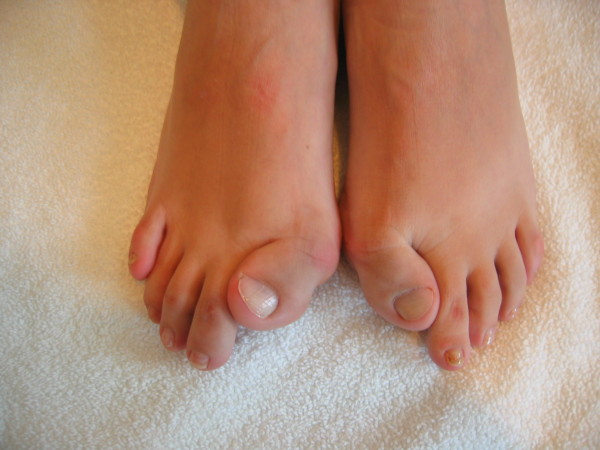
FOP is caused by a mutation in the ACVR1 gene (activin A receptor type 1), which regulates bone growth. In FOP, this mutation causes abnormal activation of bone-forming pathways, leading to heterotopic ossification—the formation of bone in areas where it normally does not exist, such as muscles, tendons, and ligaments.
Key Triggers of FOP Flare-Ups (Critical to Avoid):
- Trauma or injuries, even minor ones (falls, bumps, sprains).
- Invasive medical procedures, including biopsies, intramuscular injections (IMs), and surgeries.
- Infections, which may exacerbate bone growth responses.
- Muscle injuries or overexertion.
2. How Rare Is Fibrodysplasia Ossificans Progressiva?
FOP is extraordinarily rare, affecting approximately 1 in 2 million people worldwide. As of current registries, there are fewer than 900 confirmed cases globally, making awareness and specialized care critical for this condition.
3. What Are the Current Treatments for FOP?
While there is no cure for Fibrodysplasia Ossificans Progressiva, treatments now include a disease-modifying therapy alongside supportive care:
- Palovarotene (Sohonos) – FDA-Approved Treatment: Approved in August 2023, this is the first disease-modifying therapy for FOP. In clinical trials, palovarotene reduced new heterotopic ossification volume by approximately 60% compared to natural progression, offering meaningful benefit for individuals and families managing the condition.
- Corticosteroids: Used to reduce inflammation during flare-ups, though timing and dosage are critical.
- Pain Management: NSAIDs and other analgesics to manage discomfort (care taken to avoid triggering flares).
- Preventive Measures: Avoiding physical trauma, invasive procedures, and infections is paramount.
- Physical Therapy: Gentle, low-impact stretching to maintain mobility; aggressive therapy is avoided to prevent injury.
- Assistive Devices: Wheelchairs, braces, and other adaptive equipment to support mobility while minimizing injury risk.
4. Is There a Cure for Fibrodysplasia Ossificans Progressiva?
There is currently no cure for FOP. However, palovarotene represents significant progress as the first treatment to slow disease progression. Ongoing research into gene therapy, ALK2 inhibitors, and other targeted molecular approaches continues to offer hope for future breakthroughs that may halt or reverse ossification.
5. What Is the Life Expectancy for People with FOP?
Modern estimates suggest a median life expectancy of approximately 56 years for individuals with FOP. However, this varies significantly based on disease management, access to specialized care, and avoiding complications. The most common causes of mortality are cardiorespiratory complications, pneumonia, and trauma from falls. Early diagnosis and preventive care can improve outcomes.
6. Why Is Spending Time Outdoors Important for People with FOP?
For individuals with Fibrodysplasia Ossificans Progressiva, carefully managed outdoor activities provide vital psychological and some physical benefits:
- Boosts Mental Well-Being: Nature reduces stress and anxiety, offering a calming environment for those managing a chronic condition.
- Enhances Mood: Exposure to sunlight increases serotonin levels, improving emotional health.
- Encourages Social Interaction: Parks and outdoor spaces foster connections with friends and family.
- Provides Sensory Stimulation: Fresh air, natural sounds, and scenic views offer uplifting sensory experiences.
- Supports Routine Variation: Time outdoors breaks the monotony of indoor routines, promoting a sense of normalcy.
7. How Does Outdoor Activity Affect Mental and Physical Health in FOP?
Being in nature—when pursued carefully and safely—positively impacts overall health and well-being, particularly for individuals with FOP:
- Mental Health Benefits: Spending time outdoors helps reduce feelings of isolation, depression, and anxiety.
- Physical Health Benefits: Passive mobility (being wheeled outdoors) maintains circulation and prevents additional stiffness without triggering new ossification.
- Cognitive Benefits: Nature encourages mindfulness and can reduce mental fatigue, enhancing focus and clarity.
8. How Does Fibrodysplasia Ossificans Progressiva Affect Family Members?
Caring for someone with FOP has a profound impact on families:
- Emotional Impact: Family members often experience stress and concern about the progression of the condition and potential flare-ups triggered by accidents.
- Caregiving Demands: Families provide significant physical and emotional support, which can lead to caregiver fatigue.
- Financial Strain: The cost of specialized care, adaptive equipment, and travel for medical consultations with FOP specialists can be burdensome.
- Social Adjustments: Families must modify activities and routines to accommodate accessibility needs and injury-prevention protocols.
Spending time outdoors as a family—using protective, accessible mobility solutions—can offer moments of joy and connection, helping to ease these challenges.
9. How Can an All-Terrain Wheelchair Help People with FOP Enjoy the Outdoors Safely?
For individuals with Fibrodysplasia Ossificans Progressiva, limited mobility and the risk of injury from trauma can make outdoor activities daunting. An all-terrain wheelchair provides a safe and empowering solution by minimizing injury risk while enabling outdoor access:
- Access to Nature Without Injury Risk: Designed to handle uneven terrain such as trails, grass, and sand, enabling safe exploration of parks, beaches, and forests without the trauma of walking or falling.
- Comfort and Stability: Ergonomic seating and shock-absorbing features ensure a smooth ride and prevent discomfort or additional strain on vulnerable tissues.
- Promotes Independence: Allows users to enjoy outdoor environments with minimal assistance and reduced caregiver burden.
- Encourages Socialization: Facilitates participation in family outings and community events, reducing isolation.
- Supports Emotional Well-Being: Provides the freedom to reconnect with nature, fostering a sense of normalcy and joy despite physical limitations.
What is the Extreme Motus All-Terrain Wheelchair?
The Extreme Motus All-Terrain Wheelchair is engineered specifically to address the unique challenges faced by individuals with Fibrodysplasia Ossificans Progressiva (FOP). This rare genetic disorder causes soft tissues to progressively turn into bone, severely limiting mobility and creating significant injury risk from trauma. The Extreme Motus wheelchair provides a safe, comfortable, and empowering solution to navigate the outdoors while minimizing physical strain and protecting vulnerable areas from injury triggers.
How the Extreme Motus Wheelchair Benefits People with FOP
1. Minimizes Injury Risk and Physical Strain
- Eliminates Trauma Exposure: Individuals with FOP are highly susceptible to injury from trauma, which triggers catastrophic bone formation. The wheelchair eliminates walking-related falls, sprains, and impacts.
- Ergonomic Seating: Provides proper support and cushioning to accommodate unique body shapes caused by FOP-related bone growth, ensuring comfort without pressure points that could trigger flares.
2. Protects Sensitive Areas
- Shock-Absorbing Suspension: Reduces vibrations and jolts from uneven terrain, preventing unnecessary pressure or trauma to sensitive areas and heterotopic bone.
- Stable Design: Offers secure, steady mobility, minimizing risks of falls or accidental injuries that could exacerbate the condition and trigger new ossification.
3. Enables Access to Outdoor Spaces
- All-Terrain Capability: Handles challenging surfaces such as sand, gravel, dirt trails, and grass, allowing individuals with FOP to explore parks, beaches, and nature trails safely.
- Durable Frame: Ensures safety and reliability while navigating rugged environments without compromise to protective features.
4. Promotes Mental and Emotional Well-Being
- Encourages Outdoor Activities: Spending time in nature reduces stress, improves mood, and fosters relaxation—key benefits for managing the emotional strain of living with a chronic condition.
- Supports Vitamin D Synthesis: Exposure to sunlight strengthens bones and supports overall immune health.
- Provides a Sense of Freedom: Access to the outdoors enhances emotional resilience and quality of life.
5. Supports Social Inclusion
- Facilitates Group Activities: The wheelchair enables individuals with FOP to participate in family outings, social events, and community gatherings, fostering connection and inclusion.
- Strengthens Relationships: Shared experiences in outdoor settings help build emotional bonds and reduce isolation.
6. Promotes Independence
- User-Friendly Operation: Easy to maneuver, the wheelchair empowers users to explore outdoor spaces independently or with minimal assistance.
- Confidence Booster: Overcomes mobility barriers, allowing individuals to embrace new environments and activities with autonomy and peace of mind.
Why the Extreme Motus Wheelchair Is Ideal for FOP
The Extreme Motus wheelchair is specifically engineered to address the unique challenges of FOP. Its combination of injury prevention, comfort, safety, and adaptability ensures users can enjoy outdoor exploration while minimizing risks and protecting their health during disease progression.
Rediscover Freedom with Extreme Motus
Living with Fibrodysplasia Ossificans Progressiva doesn’t mean giving up on outdoor adventures. The Extreme Motus all-terrain wheelchair provides the tools to safely explore nature, connect with loved ones, and enjoy life with confidence and ease.
Ready to embrace the outdoors? Discover how the Extreme Motus wheelchair can help you or a loved one experience life beyond physical limitations while protecting health and independence.
Conclusion: Embrace the Outdoors and Reclaim Quality of Life
Living with Fibrodysplasia Ossificans Progressiva presents significant challenges, but with appropriate precautions and supportive tools, spending time outdoors can bring therapeutic benefits for both individuals and their families. With the help of an all-terrain wheelchair and modern treatments like palovarotene, mobility barriers become manageable, opening up opportunities for exploration, connection, and cherished memories.
Ready to explore new horizons safely? Discover our range of all-terrain wheelchairs designed to empower individuals with FOP and other mobility challenges, helping them reconnect with the beauty of the outdoors while maintaining health and protection.
Ryan Grassley · ryan@extrememotus.com
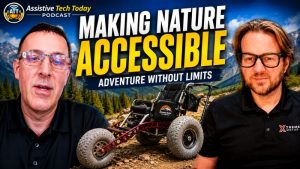
How it all started - Meet Sam & Ryan
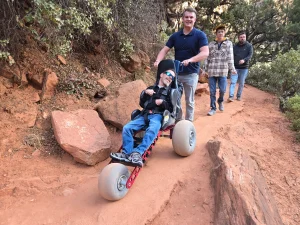
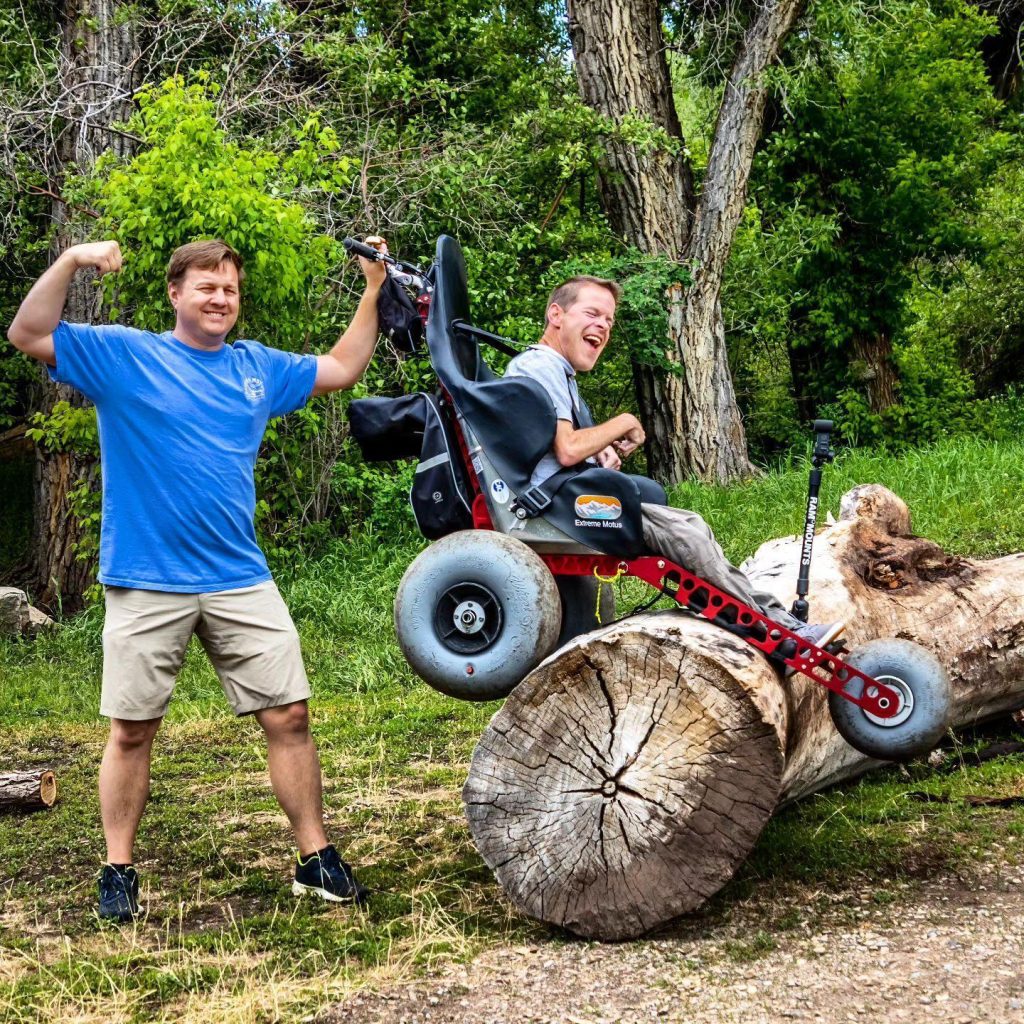
Since 2019, Sam and Ryan have been demonstrating that nature is wheelchair accessible with the Extreme Motus All Terrain Wheelchair. From National Parks to Skateparks, their adventures prove that a manual off-road wheelchair can offer laughter and joy while navigating diverse terrains.
Join us as we continue to share these inspiring journeys.
Discover Freedom with the Extreme Motus All Terrain Wheelchair
Light, comfortable, and compact, the Extreme Motus glides over sand, rocks, grass, gravel, and even floats in water.
It's more than a outdoor wheelchair; it's your ticket to freedom. Embrace the outdoors with confidence, knowing our off-road wheelchair is engineered for durability and ease of use.
Be the first to hear about new gear, upcoming adventures, and exclusive offers. As a welcome gift, you'll get a $100 coupon toward the Motus All-Terrain Wheelchair — delivered straight to your inbox.
By subscribing you agree to receive marketing communications from Extreme Motus, including product updates, promotions, and special offers. I understand I can unsubscribe at any time.