

Quick answer: Tetra-Amelia Syndrome is an ultra-rare genetic condition affecting approximately 1.5-4 per 100,000 births, caused by WNT3 gene mutations that prevent limb development. While many infants don’t survive, those who do can live fulfilling lives with mobility aids, adaptive technology, and support. All-terrain wheelchairs unlock outdoor freedom and independence.
Tetra-Amelia Syndrome is a rare genetic condition caused by mutations in the WNT3 gene, which controls early limb development. People with this condition are born without all four limbs. While extremely challenging, advances in adaptive technology and wheelchairs like the Extreme Motus make it possible for survivors to live active, independent lives outdoors.
Understanding Tetra-Amelia Syndrome
1. What Causes Tetra-Amelia Syndrome?
Tetra-Amelia Syndrome results from mutations in the WNT3 gene, which directs limb formation during early embryonic development. When this gene malfunctions, all four limbs fail to develop. The condition is inherited in an autosomal recessive pattern, meaning both parents must carry the defective gene. In rare cases, new mutations occur without family history.
The syndrome often affects internal organs as well, including the respiratory, digestive, and cardiovascular systems, which presents significant medical challenges from birth.
2. How Rare Is Tetra-Amelia Syndrome?
Tetra-Amelia Syndrome is one of the rarest genetic disorders globally, occurring at a rate of approximately 1.5-4 per 100,000 live births. Fewer than 20 documented cases have been reported worldwide. Many infants with this condition do not survive infancy due to severe respiratory complications. However, those who survive the critical early years can live long, meaningful lives with proper medical care and adaptive technology.
Notable survivors include Nick Vujicic, a motivational speaker who travels worldwide, demonstrating remarkable independence using adaptive devices.
3. Is There a Treatment or Cure?
There is no cure for Tetra-Amelia Syndrome. Treatment focuses on managing complications and optimizing quality of life through:
- Physical therapy to strengthen core muscles and trunk control
- Prosthetics for selected limbs to aid with daily tasks
- Assistive devices including specialized wheelchairs
- Respiratory support for breathing difficulties
- Nutritional and medical management for overall health
4. What Impact Does It Have on Families?
Caring for someone with Tetra-Amelia Syndrome requires significant physical, emotional, and financial resources. Families adapt homes for accessibility, manage ongoing medical expenses, and provide constant emotional support. Support groups, therapy, and community networks are essential for families navigating this rare condition. The emotional bond and determination of families often becomes the foundation for the individual’s success and independence.

5. Will Someone with Tetra-Amelia Need a Wheelchair?
Yes. People with Tetra-Amelia Syndrome depend on wheelchairs for mobility. Standard manual and electric wheelchairs work for indoor environments, but outdoor terrain — beaches, trails, gravel paths, grass — is inaccessible without specialized equipment. This limitation can isolate individuals from nature, community events, and family activities.
6. Why Is Outdoor Access Crucial?
Spending time outdoors provides profound physical and mental health benefits:
- Mental well-being: Fresh air, sunlight, and natural settings reduce stress and depression
- Physical strengthening: Upper body engagement during outdoor mobility builds muscle tone
- Social connection: Outdoor participation enables family gatherings and community inclusion
- Independence: Accessing nature builds confidence and autonomy
For someone with Tetra-Amelia, outdoor access matters because it transforms isolation into freedom.
7. How Does an All-Terrain Wheelchair Help?
An Extreme Motus all-terrain wheelchair is specifically designed for people with limb differences who rely entirely on their wheelchairs for mobility. Unlike standard wheelchairs, the Extreme Motus conquers:
- Sand and beaches — low-pressure balloon tires prevent sinking
- Gravel and dirt trails — shock-absorbing suspension for comfort
- Grass and soft terrain — wider wheelbase for stability
- Water crossings — floatation capability for shallow water
- Lightweight frame — easier for caregivers to transport and for users with upper-body control to maneuver
With this equipment, individuals with Tetra-Amelia can participate in hiking, beach trips, camping, and other outdoor activities that standard wheelchairs make impossible.
Frequently Asked Questions
What exactly is Tetra-Amelia Syndrome?
Tetra-Amelia Syndrome is a genetic condition caused by WNT3 gene mutations that prevent the development of all four limbs. It is extremely rare (approximately 1.5-4 per 100,000 births) and inherited when both parents carry the defective gene.
Can someone with Tetra-Amelia live independently?
Yes. Survivors of Tetra-Amelia can achieve significant independence with the right adaptive technologies, mobility aids, and support systems. Modern wheelchairs, prosthetics, and assistive devices enable education, employment, and independent living.
Is Tetra-Amelia Syndrome fatal?
Tetra-Amelia Syndrome can be life-threatening, particularly in infancy due to respiratory complications from underdeveloped lungs. However, many individuals survive to adulthood with appropriate medical care and can live full lifespans.
What mobility options exist for people with Tetra-Amelia?
Standard wheelchairs handle indoor and paved environments, but all-terrain wheelchairs like the Extreme Motus unlock outdoor access to sand, gravel, grass, and natural terrain. Head-control or sip-and-puff systems can operate motorized chairs for those with specific upper-body abilities.
Can an all-terrain wheelchair make a real difference?
Absolutely. An all-terrain wheelchair transforms accessibility. Users can attend outdoor family events, explore nature, access community parks and beaches, and participate in activities standard wheelchairs prevent. This freedom dramatically improves mental health, social inclusion, and quality of life.
How do families afford adaptive mobility equipment?
Options include medical grants from disability organizations, crowdfunding, insurance coverage (rare), payment plans, and HSA/FSA funds with Medical Necessity documentation. Many nonprofits and disease-specific foundations also provide funding for mobility aids.
Conclusion
Tetra-Amelia Syndrome is extraordinarily rare, but those who live with it have remarkable capabilities. The right mobility tools — especially all-terrain wheelchairs — transform their ability to experience the outdoors, build relationships, and live independently. If you or a loved one has Tetra-Amelia, outdoor access isn’t a luxury; it’s essential to quality of life.
Ryan Grassley · ryan@extrememotus.com
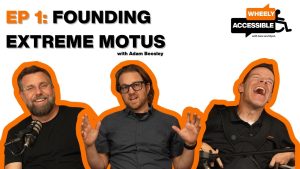
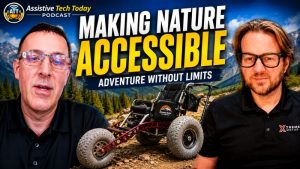
How it all started - Meet Sam & Ryan
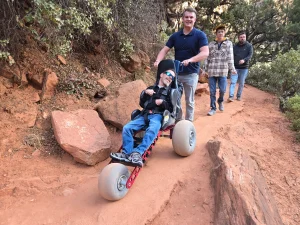
Since 2019, Sam and Ryan have been demonstrating that nature is wheelchair accessible with the Extreme Motus All Terrain Wheelchair. From National Parks to Skateparks, their adventures prove that a manual off-road wheelchair can offer laughter and joy while navigating diverse terrains.
Join us as we continue to share these inspiring journeys.
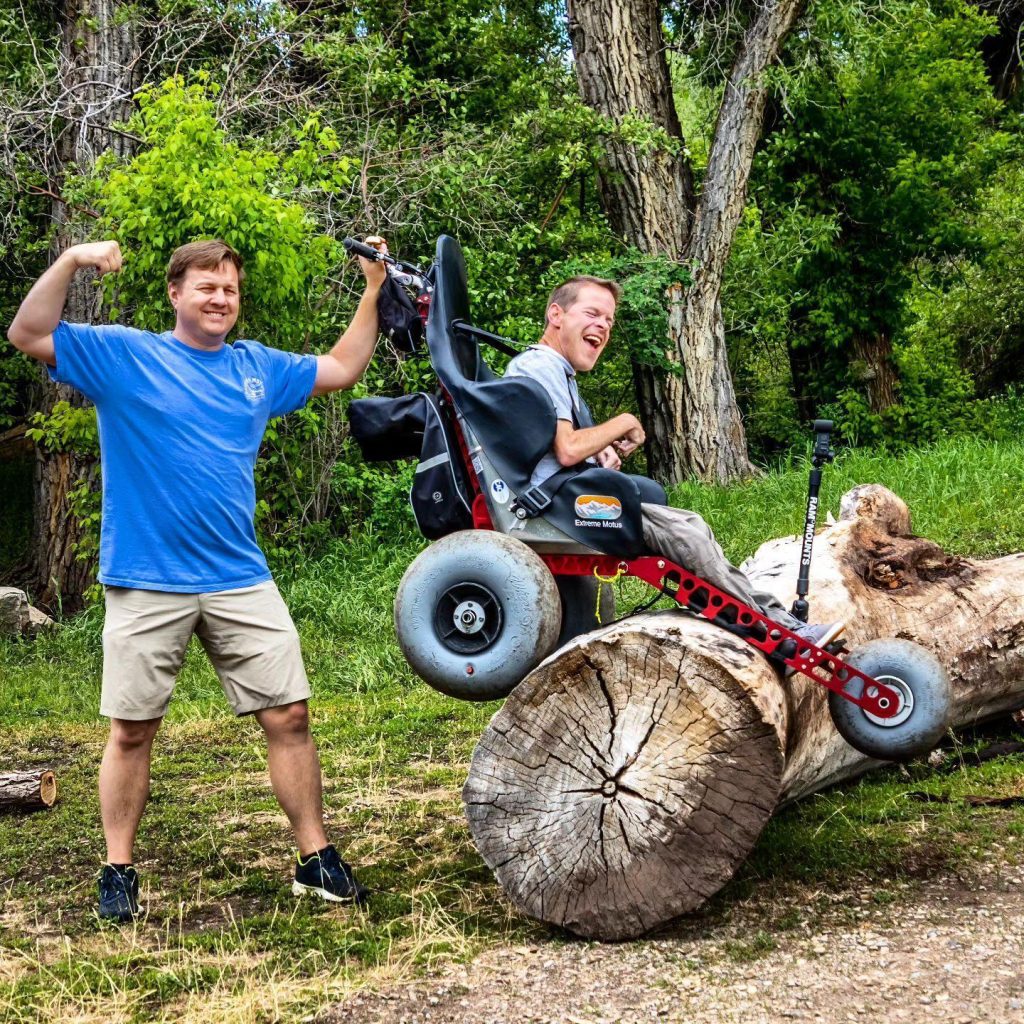
Discover Freedom with the Extreme Motus All Terrain Wheelchair
Light, comfortable, and compact, the Extreme Motus glides over sand, rocks, grass, gravel, and even floats in water.
It's more than a outdoor wheelchair; it's your ticket to freedom. Embrace the outdoors with confidence, knowing our off-road wheelchair is engineered for durability and ease of use.
Be the first to hear about new gear, upcoming adventures, and exclusive offers. As a welcome gift, you'll get a $100 coupon toward the Motus All-Terrain Wheelchair — delivered straight to your inbox.
By subscribing you agree to receive marketing communications from Extreme Motus, including product updates, promotions, and special offers. I understand I can unsubscribe at any time.