

Quick answer: Multiple Sclerosis affects 2.8 million people globally, attacking myelin in the nervous system and causing fatigue, weakness, and mobility loss. While there’s no cure, disease-modifying therapies and outdoor activity reduce symptoms and improve mental health. All-terrain wheelchairs enable outdoor access for people with MS-related mobility challenges—critical for managing fatigue and isolation.

Find your grant in 90 seconds
Answer 5–7 quick questions and we’ll narrow 50+ adaptive-equipment grants down to the ones you’re most likely to win.
Free. No email required. Plus a 30-min strategy call with Kenny if you want help applying.
Take the Grant Match Quiz →Multiple Sclerosis is a chronic autoimmune disease affecting the central nervous system, causing varying degrees of mobility, sensory, and cognitive challenges. While MS can be life-altering, it’s not life-ending. Modern treatments slow progression, and outdoor access supported by all-terrain wheelchairs can help people with MS maintain active, fulfilling lives.
What You Need to Know About Multiple Sclerosis
1. What Causes Multiple Sclerosis?
MS is an autoimmune disease where the immune system mistakenly attacks myelin—the protective coating around nerve fibers in the brain and spinal cord. This damage disrupts communication between the brain and body, causing unpredictable symptoms. The exact trigger is unknown, but risk factors include:
- Genetics: Family history increases risk
- Environmental factors: Low vitamin D, northern latitudes
- Viral infections: Epstein-Barr virus implicated in research
- Lifestyle: Smoking and obesity elevate risk
2. How Many People Have MS?
Approximately 2.8 million people worldwide live with MS; in the United States alone, around 1 million are diagnosed. MS typically affects women 2-3 times more often than men and is usually diagnosed between ages 20 and 50. It’s the leading non-traumatic cause of disability in younger adults.

3. What Are the Main Symptoms?
MS symptoms vary widely by individual and disease stage. Common symptoms include:
- Fatigue — the most common and disabling symptom, often unrelenting
- Walking difficulty — weakness, spasticity, or balance problems
- Vision problems — blurred vision, eye pain, or optic neuritis
- Numbness or tingling — in limbs or face
- Muscle weakness and spasticity — affecting movement and control
- Cognitive issues — memory, concentration, processing speed
- Pain — neuropathic or muscular
Symptoms can appear suddenly and change unpredictably, making daily planning difficult.
4. What Treatments Are Available?
While there is no cure for MS, treatments focus on slowing progression and managing symptoms:
- Disease-modifying therapies (DMTs): Reduce relapses and slow progression; most effective when started early
- Corticosteroids: Treat acute relapses and inflammation
- Symptom management medications: Address fatigue, spasticity, pain, and cognitive issues
- Physical therapy: Maintains strength, balance, and mobility
- Lifestyle modifications: Exercise, diet, stress management, sleep
- Assistive devices: Canes, braces, walkers, or wheelchairs for mobility support
5. Is There a Cure?
Currently, there is no cure for MS. However, early diagnosis and treatment with disease-modifying therapies have dramatically improved outcomes over the past two decades. Many people with MS now experience longer periods without relapses and slower disability progression. Research continues into potential cures and more effective treatments.

6. Why Is Outdoor Time Essential for People with MS?
Spending time outdoors provides unique, scientifically-supported benefits for MS management:
- Mental health: Reduces stress, anxiety, and depression—all known triggers for MS relapses
- Vitamin D: Sunlight exposure supports immune function and bone health
- Gentle exercise: Outdoor walking strengthens muscles and improves circulation without overexertion
- Social connection: Parks and trails enable family time, reducing isolation
- Cognitive benefits: Nature exposure improves focus, memory, and mood
However, MS fatigue, weakness, and balance issues often prevent access to outdoor terrain. Standard wheelchairs only work on pavement, trapping people with mobility challenges indoors or on limited surfaces.
7. How Can an All-Terrain Wheelchair Help?
An Extreme Motus all-terrain wheelchair transforms outdoor access for people with MS-related mobility loss by enabling:
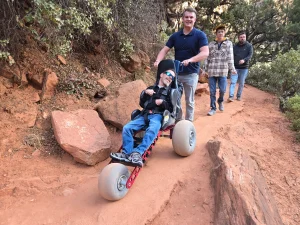
- Trail access: Navigate gravel, dirt, grass, and natural terrain
- Beach and water access: Floatation design enables shallow-water exploration
- Shock absorption: Smooth rides over rough terrain reduce pain and muscle strain
- Energy conservation: Eliminates fatigue from walking while enabling outdoor participation
- Independence: User-friendly design reduces caregiver dependence
- Mental health boost: Freedom to access nature significantly improves mood and quality of life
Pick an all-terrain wheelchair when MS impacts your walking. Standard wheelchairs confine you to pavement. All-terrain wheelchairs open parks, trails, and beaches.
Frequently Asked Questions
What are the early signs of MS?
Early signs vary but commonly include unexplained fatigue, vision changes, numbness or tingling, balance problems, muscle weakness, and cognitive fog. Symptoms may come and go. If you experience these, seek neurological evaluation—early treatment improves long-term outcomes.
Can people with MS exercise?
Yes, and it’s beneficial. However, MS fatigue and heat sensitivity require careful planning. Low-impact activities like walking, swimming, and outdoor exploration are often well-tolerated. All-terrain wheelchairs enable outdoor activity for those with significant mobility limitations.
Does stress worsen MS?
Yes. Stress can trigger relapses and worsen symptoms. Spending time outdoors, meditating, social connection, and stress-reduction activities are evidence-based ways to manage MS. Access to nature is particularly valuable.
When should someone with MS use a wheelchair?
When walking causes excessive fatigue, pain, or safety issues. Using a wheelchair conserves energy for other important activities. Full-time or part-time use is a personal choice based on individual needs and disability progression.
How does an all-terrain wheelchair improve quality of life?
By enabling outdoor access, all-terrain wheelchairs reduce isolation, improve mental health, enable family participation, provide mild exercise, and restore independence. Users report dramatically improved mood, confidence, and sense of autonomy.
Are all-terrain wheelchairs covered by insurance?
Insurance rarely covers all-terrain wheelchairs. However, grants from disability organizations, medical nonprofits, HSA/FSA funds with Medical Necessity documentation, and payment plans can help. Discuss options with your neurologist or disability advocate.
Conclusion
Living with Multiple Sclerosis is challenging, but modern treatments and adaptive technology enable people to stay active and engaged. Outdoor access isn’t optional—it’s essential to managing MS symptoms, maintaining mental health, and preserving quality of life. An all-terrain wheelchair can be transformative, turning isolation into independence and pavement confinement into real freedom.
Ryan Grassley · ryan@extrememotus.com
How it all started - Meet Sam & Ryan
Since 2019, Sam and Ryan have been demonstrating that nature is wheelchair accessible with the Extreme Motus All Terrain Wheelchair. From National Parks to Skateparks, their adventures prove that a manual off-road wheelchair can offer laughter and joy while navigating diverse terrains.
Join us as we continue to share these inspiring journeys.
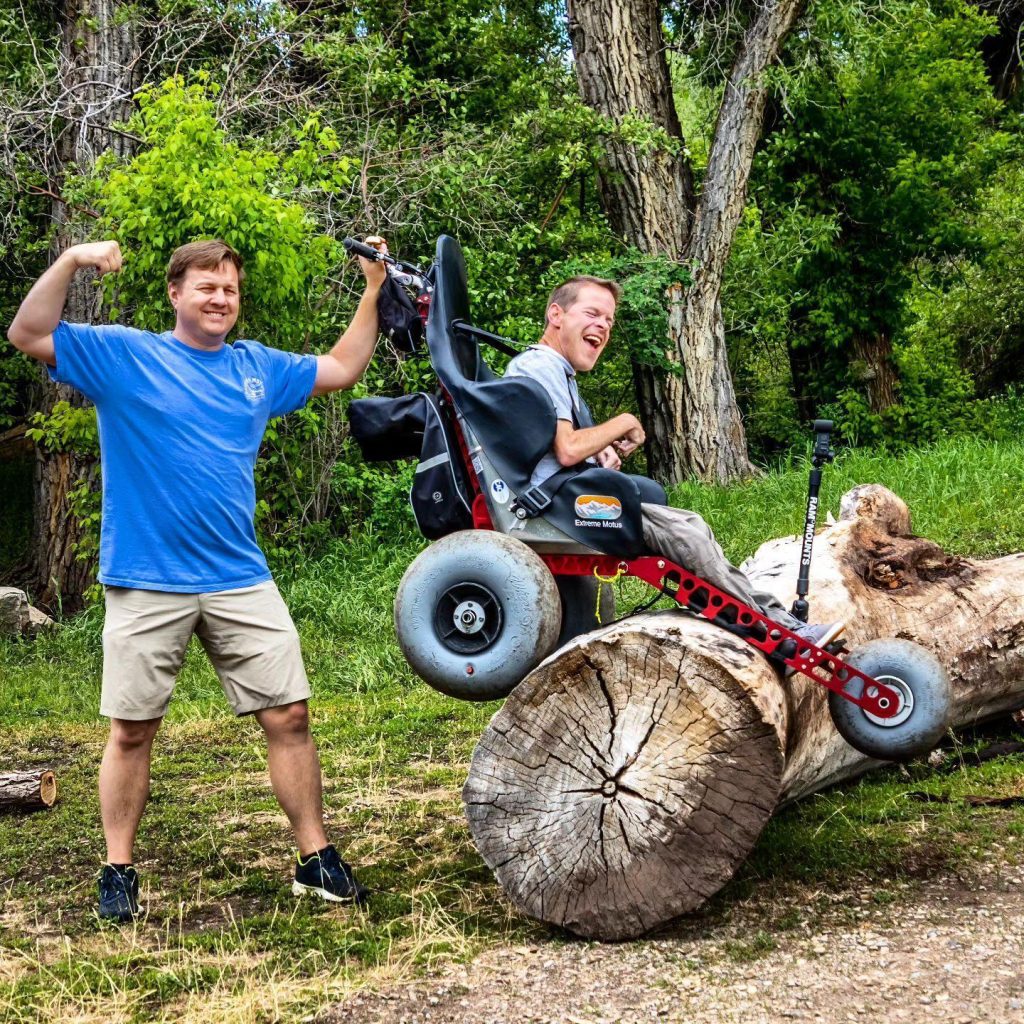
Discover Freedom with the Extreme Motus All Terrain Wheelchair
Light, comfortable, and compact, the Extreme Motus glides over sand, rocks, grass, gravel, and even floats in water.
It's more than a outdoor wheelchair; it's your ticket to freedom. Embrace the outdoors with confidence, knowing our off-road wheelchair is engineered for durability and ease of use.
Be the first to hear about new gear, upcoming adventures, and exclusive offers. As a welcome gift, you'll get a $100 coupon toward the Motus All-Terrain Wheelchair — delivered straight to your inbox.
By subscribing you agree to receive marketing communications from Extreme Motus, including product updates, promotions, and special offers. I understand I can unsubscribe at any time.