

Quick answer: Cerebral Palsy affects 1 in 345 U.S. children and 17 million people globally, making it the most common motor disability in children. CP is non-progressive but requires careful mobility management. Outdoor access matters because it drives physical recovery, emotional resilience, and independence—which is why all-terrain wheelchairs like the Extreme Motus were invented for people like Sam Durst, who has CP and now explores terrain others thought impossible.
Find your grant in 90 seconds
Answer 5–7 quick questions and we’ll narrow 50+ adaptive-equipment grants down to the ones you’re most likely to win.
Free. No email required. Plus a 30-min strategy call with Kenny if you want help applying.
Take the Grant Match Quiz →Cerebral Palsy is a group of disorders affecting movement, balance, and posture. If you or someone you love has CP, you know the barriers are real. But the outdoors—and the right mobility gear—can be transformative. Here’s what you need to know about CP, why outdoor time matters, and how to access terrain that standard wheelchairs simply cannot handle.
1. What Is Cerebral Palsy and What Causes It?
Cerebral Palsy is a neurological disorder caused by abnormal brain development or damage before birth, during delivery, or in early infancy. The damage affects muscle control, coordination, and motor function—but it does not worsen over time.
Common causes include:
- Prenatal: Maternal infection, lack of oxygen, or premature birth
- Birth-Related: Complications during labor or delivery
- Postnatal: Brain injury, meningitis, severe jaundice, or other early infections
Because CP is non-progressive, individuals don’t get worse—but proactive management, therapy, and the right tools help maximize independence and quality of life.
2. How Many People Are Affected by Cerebral Palsy?
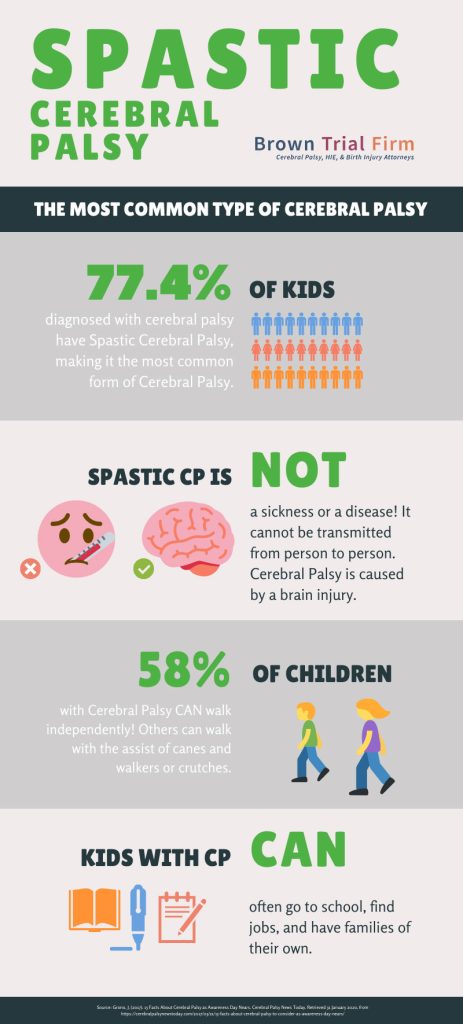
Cerebral Palsy is the most common motor disability in children, affecting approximately 1 in 345 U.S. children. Globally, an estimated 17 million people live with CP. Severity ranges widely—from minimal motor impact to significant mobility challenges requiring wheelchairs.
3. What Are the Different Types of Cerebral Palsy?
CP is classified by the type of movement impairment:
- Spastic CP (75-80% of cases): Muscle stiffness and exaggerated reflexes; movement is jerky or slow
- Ataxic CP (5-10%): Poor balance and coordination; difficulty with fine motor control
- Dyskinetic CP (12-15%): Involuntary, uncontrolled movements; difficulty maintaining posture
- Mixed CP: Combination of movement patterns
4. What Treatment Options Exist?
While there is no cure, treatments focus on maximizing mobility, independence, and quality of life.
- Physical Therapy: Strengthens muscles, improves balance, and increases mobility
- Occupational Therapy: Develops strategies for daily tasks and promotes independence
- Speech Therapy: Addresses communication and swallowing difficulties
- Medications: Manage spasticity, seizures, or pain when needed
- Assistive Devices: Walkers, braces, canes, wheelchairs, and communication aids enable participation
- Surgery: Sometimes corrects joint deformities or reduces spasticity in select cases
5. Why Outdoor Time Is Essential for CP
Nature is therapeutic for anyone with CP. Time outdoors delivers tangible benefits that therapy alone cannot match:
- Physical Recovery: Gentle outdoor activity strengthens muscles and improves coordination in ways that feel like play, not therapy
- Mental Health: Reduces anxiety, depression, and stress—conditions that often accompany CP
- Social Connection: Outdoor activities create opportunities to be with family and friends, preventing isolation
- Sensory Engagement: Natural environments provide rich sensory input that supports cognitive and emotional development
- Independence and Confidence: Successfully navigating outdoor spaces builds self-esteem and autonomy
6. The Barrier: Standard Mobility Equipment Has Limits
Walkers, canes, and standard wheelchairs are designed for paved surfaces. Grass, sand, gravel, dirt trails, rocky paths—the spaces where nature actually is—these are completely inaccessible with typical mobility gear. This barrier is especially frustrating because outdoor time is precisely when CP management and emotional resilience matter most.
7. How All-Terrain Wheelchairs Remove the Barrier
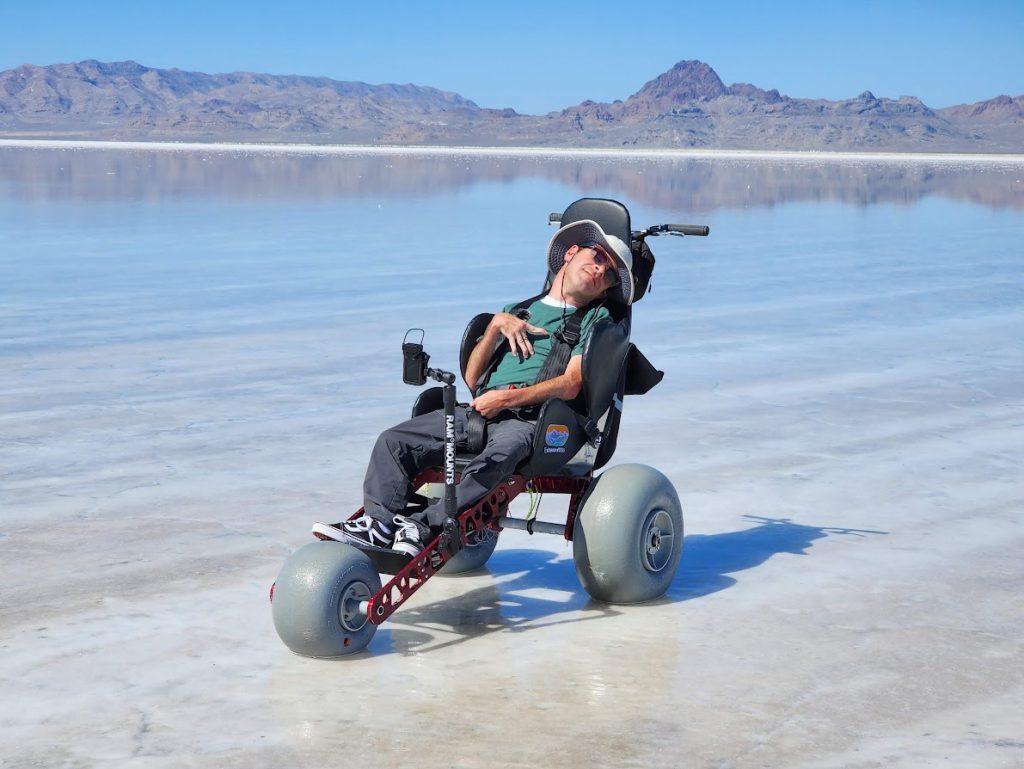
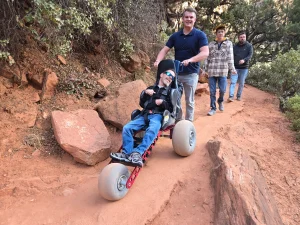
An all-terrain wheelchair like the Extreme Motus was invented specifically for this challenge. It’s why Sam Durst—who has cerebral palsy—is now exploring beaches, mountains, and trails that would be impossible in a standard chair:
- Handles Any Terrain: Sand, gravel, grass, dirt, rocks, mud—all navigable with one chair
- Shock Absorption: Large low-pressure tires cushion impacts, reducing strain on joints and muscles affected by spasticity
- Stability and Safety: Secure frame prevents tipping; supportive seating accommodates involuntary movements
- Independence: No longer reliant on caregivers to carry you across sand or grass; you drive the adventure
- Family Participation: Beach days, hiking, park picnics become genuine shared experiences, not logistics puzzles
Frequently Asked Questions
Is cerebral palsy hereditary?
No. CP is caused by brain damage before or during birth, or in early infancy—not genetic mutations. You cannot inherit cerebral palsy from a parent. Each case is independent.
Will cerebral palsy get worse over time?
No. CP is non-progressive by definition. The initial brain damage does not change. However, secondary effects (tight muscles, joint contractures, posture changes) can develop if not managed proactively with therapy and proper positioning.
Can people with cerebral palsy have children?
Yes. Most individuals with CP can become parents. Pregnancy and childbirth require careful medical planning, especially regarding medication management and physical access needs, but many people with CP have healthy children.
What activities can someone with cerebral palsy do?
Depends on severity, but with appropriate accommodations and tools, people with CP participate in hiking, swimming, sports, travel, and outdoor adventures. Standard barriers (stairs, pavement-only) disappear with all-terrain mobility solutions like the Extreme Motus.
When should someone with CP use a wheelchair?
Wheelchairs are recommended when walking becomes unreliable, unsafe, or exhausting. Using a chair is not failure—it’s a tool for independence. An all-terrain wheelchair expands where you can go, not where you’re confined.
How do I choose the right mobility device?
Consider your terrain needs. Standard chairs work for smooth, paved surfaces. If you want to access parks, trails, beaches, or rough terrain, an all-terrain wheelchair is the only practical option. Talk with your therapist and test different devices before committing.
Conclusion
Cerebral Palsy doesn’t define what’s possible—it just changes how you get there. The Extreme Motus all-terrain wheelchair was literally invented because Sam, who has CP, wanted to explore terrain that standard mobility gear couldn’t reach. Today, that same tool is helping countless others reclaim independence and access nature. If you or someone you love has CP, outdoor adventure is not a luxury—it’s within reach with the right equipment and support.
Ryan Grassley · ryan@extrememotus.com
How it all started - Meet Sam & Ryan
Since 2019, Sam and Ryan have been demonstrating that nature is wheelchair accessible with the Extreme Motus All Terrain Wheelchair. From National Parks to Skateparks, their adventures prove that a manual off-road wheelchair can offer laughter and joy while navigating diverse terrains.
Join us as we continue to share these inspiring journeys.
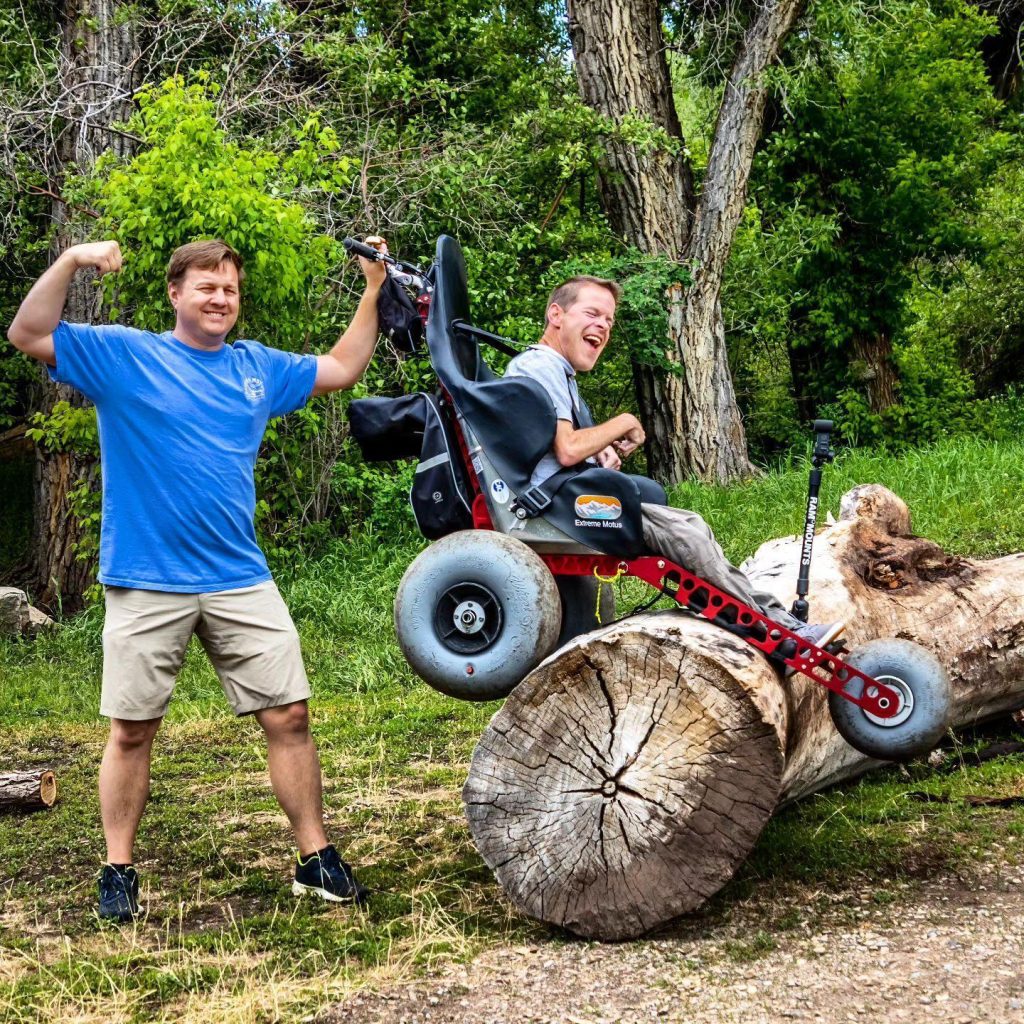
Discover Freedom with the Extreme Motus All Terrain Wheelchair
Light, comfortable, and compact, the Extreme Motus glides over sand, rocks, grass, gravel, and even floats in water.
It's more than a outdoor wheelchair; it's your ticket to freedom. Embrace the outdoors with confidence, knowing our off-road wheelchair is engineered for durability and ease of use.
Be the first to hear about new gear, upcoming adventures, and exclusive offers. As a welcome gift, you'll get a $100 coupon toward the Motus All-Terrain Wheelchair — delivered straight to your inbox.
By subscribing you agree to receive marketing communications from Extreme Motus, including product updates, promotions, and special offers. I understand I can unsubscribe at any time.