

Quick answer: Rheumatoid Arthritis affects approximately 1.3 million Americans, predominantly women. Unlike osteoarthritis (mechanical wear), RA is an autoimmune disease where the immune system attacks joint tissue. Modern biologics and JAK inhibitors have dramatically improved outcomes and quality of life for those with advanced RA.
Understanding Rheumatoid Arthritis
Rheumatoid Arthritis (RA) is a chronic autoimmune disease that affects millions of Americans. Unlike mechanical wear-and-tear conditions, RA occurs when the immune system mistakenly attacks the body’s own joint tissues, causing inflammation, pain, and progressive joint damage. Understanding this condition is essential for managing symptoms and maintaining quality of life, even in its advanced stages.
1. What is Rheumatoid Arthritis?
Rheumatoid Arthritis is a systemic autoimmune disease in which the immune system attacks the synovium (the lining of the joints). This triggers inflammation, swelling, and pain, eventually leading to cartilage and bone erosion. Unlike osteoarthritis, which results from mechanical wear and tear on joints, RA can affect multiple joints simultaneously and may impact organs including the heart, lungs, and eyes.
2. Who Does RA Affect?
Approximately 1.3 million Americans live with rheumatoid arthritis. The disease affects women two to three times more frequently than men, with peak onset typically occurring between ages 30 and 60. While RA can develop at any age, it most commonly manifests in middle-aged adults. Early diagnosis and treatment significantly improve long-term outcomes.
3. What Causes RA?
The exact cause of RA remains unknown, but genetic and environmental factors play critical roles:
- Genetics: Family history significantly increases risk; the disease often runs in families.
- Environmental Triggers: Smoking, infections, and certain exposures can trigger the disease in genetically predisposed individuals.
- Hormonal Factors: Higher prevalence in women suggests hormonal involvement, particularly around menopause.
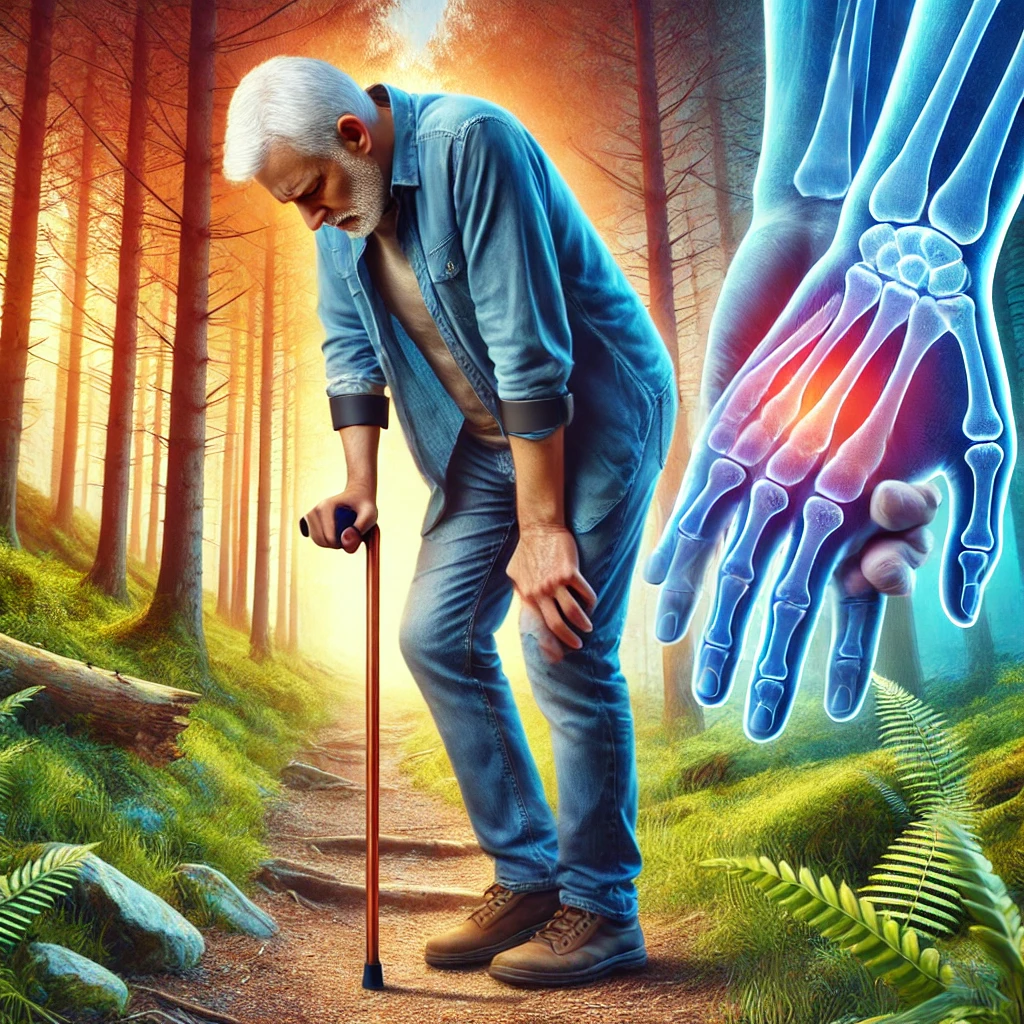
4. What Happens in Advanced RA?
As RA progresses, joint damage becomes increasingly severe:
- Progressive Joint Damage: Cartilage and bone erosion lead to permanent deformities and loss of function.
- Mobility Challenges: Pain and joint stiffness progressively limit the ability to walk, grip, and perform daily tasks.
- Systemic Complications: RA may extend beyond joints, affecting the heart, lungs, and eyes, increasing overall health risks.
5. What Are Current Treatment Options?
Modern RA treatment has transformed dramatically. While no cure exists, advanced medications can slow or halt disease progression:
- Disease-Modifying Antirheumatic Drugs (DMARDs): The foundation of RA treatment; suppress immune activity and slow joint damage.
- Biologic Therapies: Target specific immune pathways; highly effective for many patients with moderate to severe RA.
- JAK Inhibitors: Newer oral medications that block inflammatory signaling; offer an alternative to injectable biologics.
- Corticosteroids & NSAIDs: Manage pain and inflammation while waiting for DMARDs to take effect.
- Physical & Occupational Therapy: Preserves joint function and teaches adaptive strategies for daily activities.
- Surgery: Joint reconstruction or replacement may be needed in severe cases to restore function.
6. Why Outdoor Time Matters for RA
Nature offers therapeutic benefits that directly support RA management:
- Stress Reduction: Outdoor exposure lowers cortisol and anxiety levels, which can worsen RA inflammation.
- Vitamin D Synthesis: Sunlight exposure supports bone health—critical for individuals at risk of osteoporosis from RA and medications.
- Gentle Movement: Walking and light activity in natural settings promote circulation and joint flexibility without overloading inflamed joints.
- Emotional Well-Being: Connection with nature reduces depression and isolation, fostering resilience in chronic disease management.
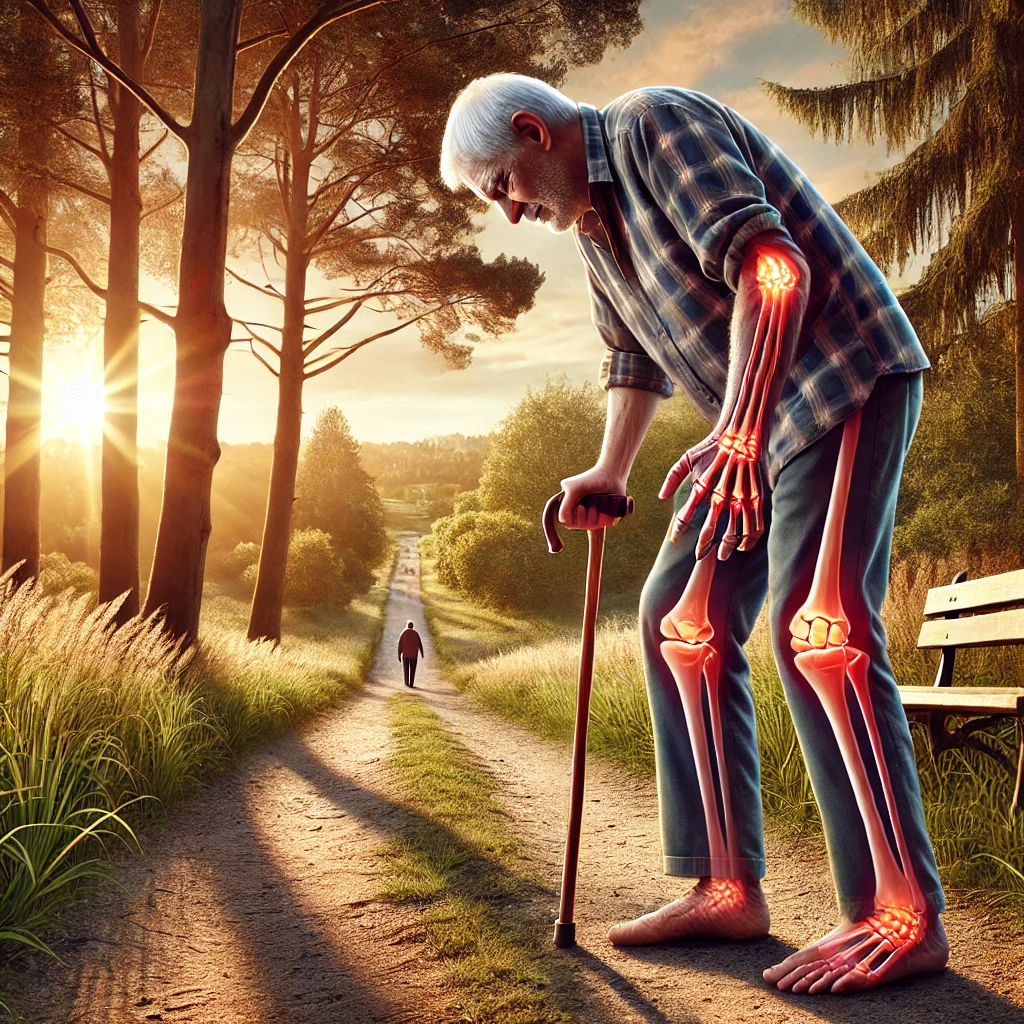
7. Exploring Outdoors with Advanced RA: An All-Terrain Wheelchair Solution
Advanced RA often limits walking ability, but mobility doesn’t need to be sacrificed. An all-terrain wheelchair makes outdoor exploration accessible and comfortable:
- Terrain Access: Navigate gravel paths, forest trails, sandy beaches, and uneven terrain with stability and confidence.
- Joint Protection: Eliminates the physical strain of walking, reducing pain and protecting already-damaged joints from further stress.
- Sustained Engagement: Stay outdoors longer without pain escalation, supporting both physical and mental health.
- Independence & Inclusion: Participate fully in family activities, nature outings, and social events without limitations or dependency.
FAQs: Rheumatoid Arthritis and Outdoor Living
Q: Is RA the same as osteoarthritis?
No. RA is an autoimmune disease where the immune system attacks joints, while osteoarthritis is mechanical wear and tear of cartilage. RA is systemic and can damage organs; OA is localized to affected joints.
Q: Can RA be cured?
Currently, there is no cure for RA. However, modern medications—particularly biologics and JAK inhibitors—can achieve remission or low disease activity in many patients, dramatically improving quality of life.
Q: Is exercise safe with advanced RA?
Yes, but it must be carefully tailored. Low-impact activities like swimming, gentle walking, and outdoor exploration are beneficial. Always consult your rheumatologist before starting any new activity.
Q: How does vitamin D from sunlight help RA?
Vitamin D supports bone density and immune regulation. People with RA have higher osteoporosis risk due to inflammation and medications, making vitamin D synthesis through sun exposure especially important.
Q: What features should an all-terrain wheelchair have for RA users?
Look for ergonomic seating, shock-absorbing suspension, stable frames for uneven terrain, and user-friendly controls. Motorized options reduce physical exertion further.
Q: How can I get started enjoying outdoors with RA?
Consult your rheumatologist about your activity level, choose accessible outdoor locations, start with short outings, pack medication and water, and consider investing in an all-terrain wheelchair to maximize comfort and independence.
Living Well with Advanced Rheumatoid Arthritis
Rheumatoid Arthritis, especially in advanced stages, presents real challenges—but modern treatment and adaptive tools make a meaningful difference. Spending time outdoors, supported by the right equipment and medical care, helps individuals with RA maintain physical function, emotional resilience, and connection to their communities. With an all-terrain wheelchair, the world remains accessible, and outdoor adventures continue.
Ryan Grassley · ryan@extrememotus.com

How it all started - Meet Sam & Ryan
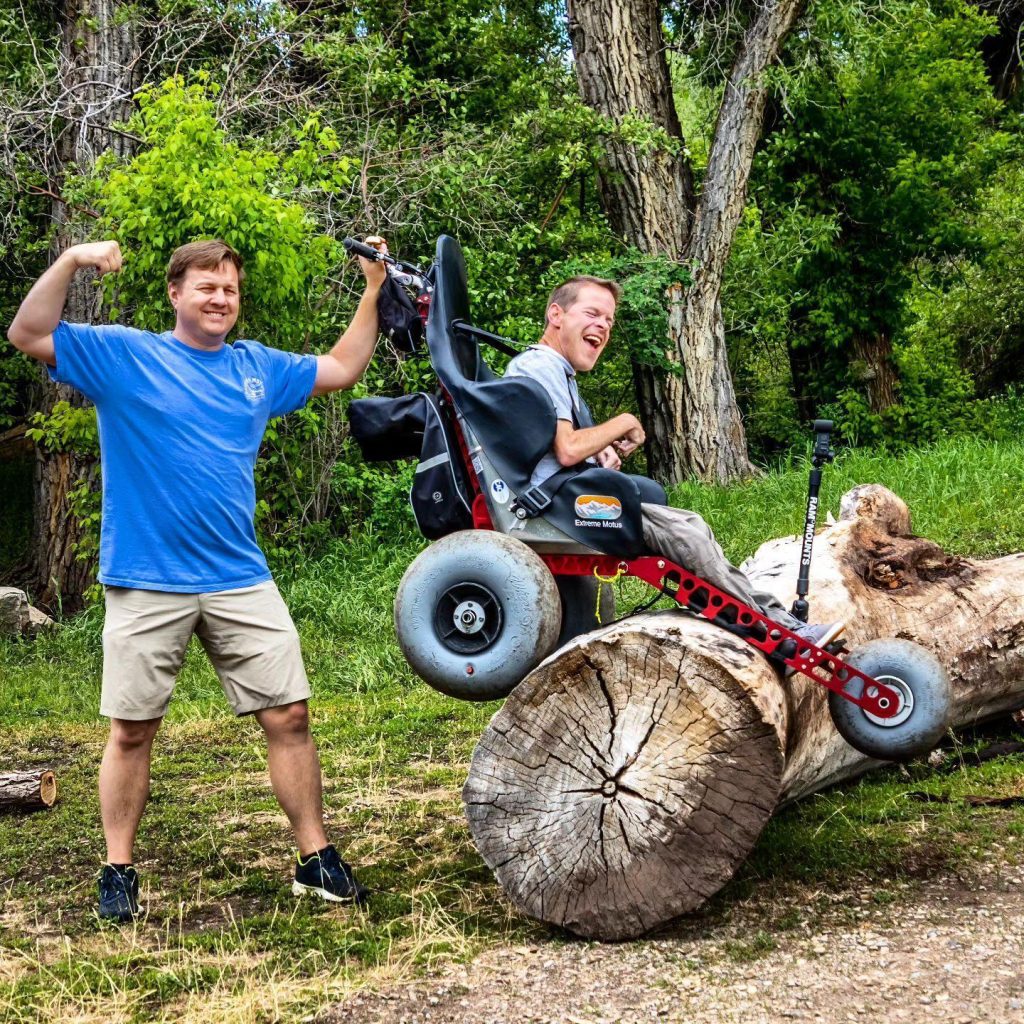
Since 2019, Sam and Ryan have been demonstrating that nature is wheelchair accessible with the Extreme Motus All Terrain Wheelchair. From National Parks to Skateparks, their adventures prove that a manual off-road wheelchair can offer laughter and joy while navigating diverse terrains.
Join us as we continue to share these inspiring journeys.
Discover Freedom with the Extreme Motus All Terrain Wheelchair
Light, comfortable, and compact, the Extreme Motus glides over sand, rocks, grass, gravel, and even floats in water.
It's more than a outdoor wheelchair; it's your ticket to freedom. Embrace the outdoors with confidence, knowing our off-road wheelchair is engineered for durability and ease of use.
Be the first to hear about new gear, upcoming adventures, and exclusive offers. As a welcome gift, you'll get a $100 coupon toward the Motus All-Terrain Wheelchair — delivered straight to your inbox.
By subscribing you agree to receive marketing communications from Extreme Motus, including product updates, promotions, and special offers. I understand I can unsubscribe at any time.