

What is Muscular Dystrophy?
Quick answer: Muscular Dystrophy (MD) is a group of genetic muscle disorders affecting approximately 250,000 people in the US, with Duchenne MD affecting roughly 1 in 3,500 male births. While incurable, targeted medications, physical therapy, and assistive devices like all-terrain wheelchairs enable individuals to manage symptoms and access meaningful outdoor experiences that improve physical and emotional health.
Muscular Dystrophy (MD) is a group of genetic disorders characterized by progressive muscle weakness and degeneration, presenting unique mobility challenges for those affected. While there is no cure at present, advances in treatment and innovative mobility solutions enable individuals with MD to maintain quality of life and safely access outdoor environments. Here’s what you need to know about MD and the transformative benefits of nature access for people managing this condition.
1. What is Muscular Dystrophy, and What Causes It?
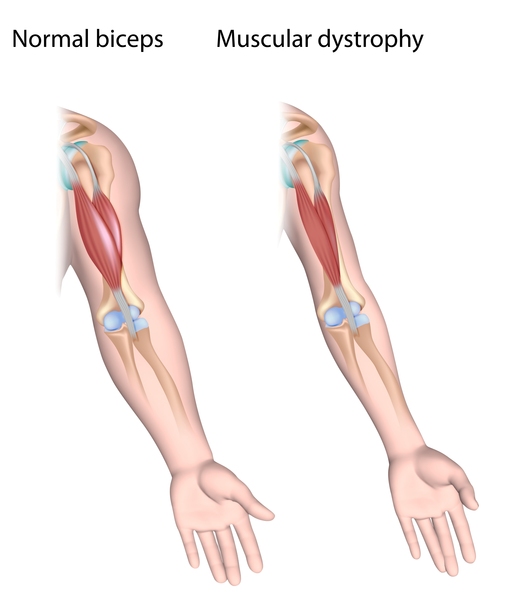
Muscular Dystrophy is a collection of genetic muscle disorders characterized by progressive weakness and loss of muscle mass. The condition results from mutations in genes that encode proteins essential for muscle function and integrity. When these proteins are deficient or defective, muscle fibers degenerate over time, leading to progressive loss of strength and mobility.
Key Genetic Mechanisms:
- Gene Mutations: MD results from mutations inherited in autosomal dominant, autosomal recessive, or X-linked recessive patterns. Duchenne MD, the most common form, is X-linked recessive.
- Protein Deficiencies: Mutations prevent production of critical muscle proteins—most notably dystrophin in Duchenne MD—leading to progressive muscle cell damage and necrosis.
- Subtype Diversity: There are nine major types of MD (Duchenne, Becker, Myotonic, Facioscapulohumeral, Limb-Girdle, Oculopharyngeal, Distal, Congenital, and Emery-Dreifuss), each with distinct genetics, progression rates, and clinical presentations.
2. How Many People Are Affected by Muscular Dystrophy?
Muscular Dystrophy affects a significant population worldwide. Approximately 250,000 people in the United States live with MD across all subtypes. Globally, MD affects hundreds of thousands more. Duchenne MD, the most common and severe form, affects approximately 1 in 3,500 to 1 in 5,000 live male births. While Duchenne primarily affects males due to its X-linked recessive inheritance pattern, other forms of MD affect both genders. Despite being classified as rare disorders, the cumulative impact of MD on affected individuals and families is substantial.
3. What Are the Treatments for Muscular Dystrophy?
While there is no cure for MD, a comprehensive, multidisciplinary treatment approach can help manage symptoms, slow disease progression in some cases, and maintain function and quality of life:
- Pharmacological Interventions:
- Corticosteroids (e.g., prednisone, deflazacort): Slow muscle degeneration and extend functional mobility in Duchenne MD when started early.
- Exon-skipping Oligonucleotides: FDA-approved treatments for specific Duchenne mutations that help restore partial dystrophin production.
- Gene Therapy: Emerging approaches showing promise for targeted genetic correction in clinical trials.
- Cardiac Medications: ACE inhibitors and beta-blockers protect against cardiomyopathy, a common MD complication.
- Physical and Occupational Therapy: Improves and maintains muscle strength, flexibility, and range of motion; prevents joint contractures and secondary deformities; teaches adaptive strategies for daily activities.
- Respiratory Support: Non-invasive ventilation (CPAP, BiPAP) and mechanical ventilation support breathing as respiratory muscles weaken.
- Assistive Technology: Braces, walkers, scooters, and wheelchairs support mobility and independence at different disease stages.
- Surgical Intervention: Corrective procedures for scoliosis, joint contractures, or other complications that compromise function or comfort.
4. Is There a Cure for Muscular Dystrophy?
Currently, there is no cure for MD. However, the treatment landscape is evolving rapidly. Gene therapy approaches, exon-skipping therapies, and novel pharmacological interventions targeting underlying genetic mechanisms show considerable promise in clinical trials. The FDA approval of exon-skipping drugs for certain Duchenne mutations represents a significant milestone. Continued research into gene therapy, antisense oligonucleotides, and other precision medicine approaches offers hope for future curative or disease-modifying treatments.
5. Why Spending Time Outdoors Is Crucial for People with MD
For individuals managing the physical and emotional challenges of MD, safe access to nature offers profound benefits across multiple domains:
- Mental Health and Emotional Resilience: Nature exposure reduces depression, anxiety, and stress—psychological conditions common in chronic illness populations. Natural environments activate parasympathetic nervous system responses, promoting relaxation and emotional well-being.
- Gentle Physical Activity: Outdoor environments support light, functional movement appropriate to individual capacity—walking, rolling, gentle stretching—that maintains cardiovascular health and prevents secondary deconditioning.
- Metabolic and Immune Benefits: Sunlight exposure stimulates vitamin D production, supporting bone health and immune function—important for individuals with MD who may have secondary bone weakness or immune concerns.
- Social Connection: Outdoor spaces provide accessible venues for family interaction, community participation, and social engagement, reducing isolation and supporting psychological well-being.
- Cognitive and Sensory Engagement: Natural environments provide rich sensory stimulation and cognitive engagement that enhance mental health, reduce pain perception, and improve overall quality of life.
6. How an All-Terrain Wheelchair Can Help
For individuals with MD experiencing progressive muscle weakness and fatigue, an all-terrain wheelchair is a transformative accessibility tool, enabling safe and independent outdoor exploration:
- Terrain Accessibility: Designed to navigate challenging outdoor surfaces—grass, gravel, sand, dirt trails, uneven paths—opening parks, beaches, hiking trails, and natural areas previously inaccessible to standard wheelchairs.
- Energy Conservation: Motorized or smoothly-rolling models minimize physical effort required for mobility, allowing individuals to extend outdoor time and activity participation without exacerbating fatigue or pain.
- Comfort and Ergonomic Support: Advanced seating systems, suspension, and postural support enable extended outdoor time without discomfort or secondary pain from poor positioning.
- Stability and Safety: Engineered for uneven terrain, these wheelchairs provide secure, predictable mobility, reducing fall risk and supporting user confidence during outdoor exploration.
- Independence and Autonomy: Enables users to explore and engage with outdoor environments independently or with minimal caregiver assistance, supporting psychological autonomy and self-determination.
- Social Participation: Facilitates full participation in family outings, community events, group activities, and social gatherings, fostering connection and reducing social isolation.
What is the Extreme Motus All-Terrain Wheelchair?
The Extreme Motus All-Terrain Wheelchair is an innovative mobility solution engineered for individuals with Muscular Dystrophy and other progressive neuromuscular conditions. Combining advanced suspension, ergonomic design, and all-terrain capability, it enables safe, comfortable, and independent outdoor access—directly addressing the unique functional limitations that MD presents.
How the Extreme Motus Wheelchair Benefits People with Muscular Dystrophy
1. Reduces Physical Strain and Fatigue
- Energy Conservation: For individuals experiencing progressive muscle weakness and rapid fatigue, the wheelchair minimizes physical effort, allowing extended participation in activities without exhaustion-related flares.
- Ergonomic Support: Advanced seating distributes pressure evenly, prevents secondary pain from poor positioning, and reduces muscular strain during extended outdoor use.
2. Ensures Stability and Safety
- Shock-Absorbing Suspension: Reduces vibrations and impact forces on uneven terrain, providing a smooth, stable ride for users with weakened or degenerating muscles.
- Secure Frame Design: Offers predictable, stable mobility on challenging surfaces, reducing fall risk and supporting user confidence during outdoor exploration.
3. Expands Access to Outdoor Environments
- All-Terrain Capability: Navigates grass, gravel, sand, rocky paths, and uneven terrain with engineered precision, opening parks, nature trails, and outdoor spaces previously inaccessible.
- Durable Construction: Built to withstand rugged outdoor environments while remaining lightweight and maneuverable for practical transportation and use.
4. Promotes Mental and Emotional Well-Being
- Nature-Based Stress Reduction: Outdoor time reduces depression, anxiety, and psychological distress common in chronic illness populations. Natural environments promote emotional resilience and psychological well-being.
- Cognitive Engagement: Nature immersion provides sensory stimulation and mental engagement that enhance mood, reduce pain perception, and improve overall psychological health.
- Sense of Agency: Experiencing freedom in outdoor settings helps users reconnect with themselves, nature, and life beyond medical appointments and physical limitations.
5. Fosters Social Inclusion and Connection
- Group Activity Participation: Accessible mobility enables attendance and full participation in family outings, community events, and social gatherings.
- Relationship Strengthening: Shared outdoor experiences create meaningful connections with loved ones and foster a sense of belonging and social purpose.
6. Promotes Independence and Empowerment
- User-Friendly Operation: Intuitive design supports independent navigation with minimal assistance, promoting autonomy and self-determination.
- Psychological Empowerment: Overcoming mobility barriers enables individuals to exercise choice and agency, participating in life on their own terms.
Why the Extreme Motus Wheelchair Is Ideal for Muscular Dystrophy
The Extreme Motus wheelchair is engineered to address the specific biomechanical and functional needs of individuals with MD. Its advanced suspension technology, ergonomic support, all-terrain capability, and user-centered design make it an optimal solution for maintaining function, independence, and quality of life in outdoor environments despite progressive muscle weakness.
Rediscover Freedom with Extreme Motus
Living with Muscular Dystrophy doesn’t have to mean missing out on outdoor experiences and nature’s restorative benefits. The Extreme Motus all-terrain wheelchair provides the foundation for safe, independent outdoor exploration, social participation, and emotional well-being.
Ready to explore the outdoors? Discover how the Extreme Motus wheelchair can help you or a loved one access the transformative benefits of nature and outdoor adventure.
Conclusion
Muscular Dystrophy presents progressive physical challenges, yet evidence demonstrates that safe outdoor access and supportive mobility solutions significantly enhance quality of life and psychological well-being. An all-terrain wheelchair provides the foundation for independent outdoor exploration, social participation, and emotional resilience—enabling individuals with MD to live fully and meaningfully.
Ryan Grassley · ryan@extrememotus.com
How it all started - Meet Sam & Ryan
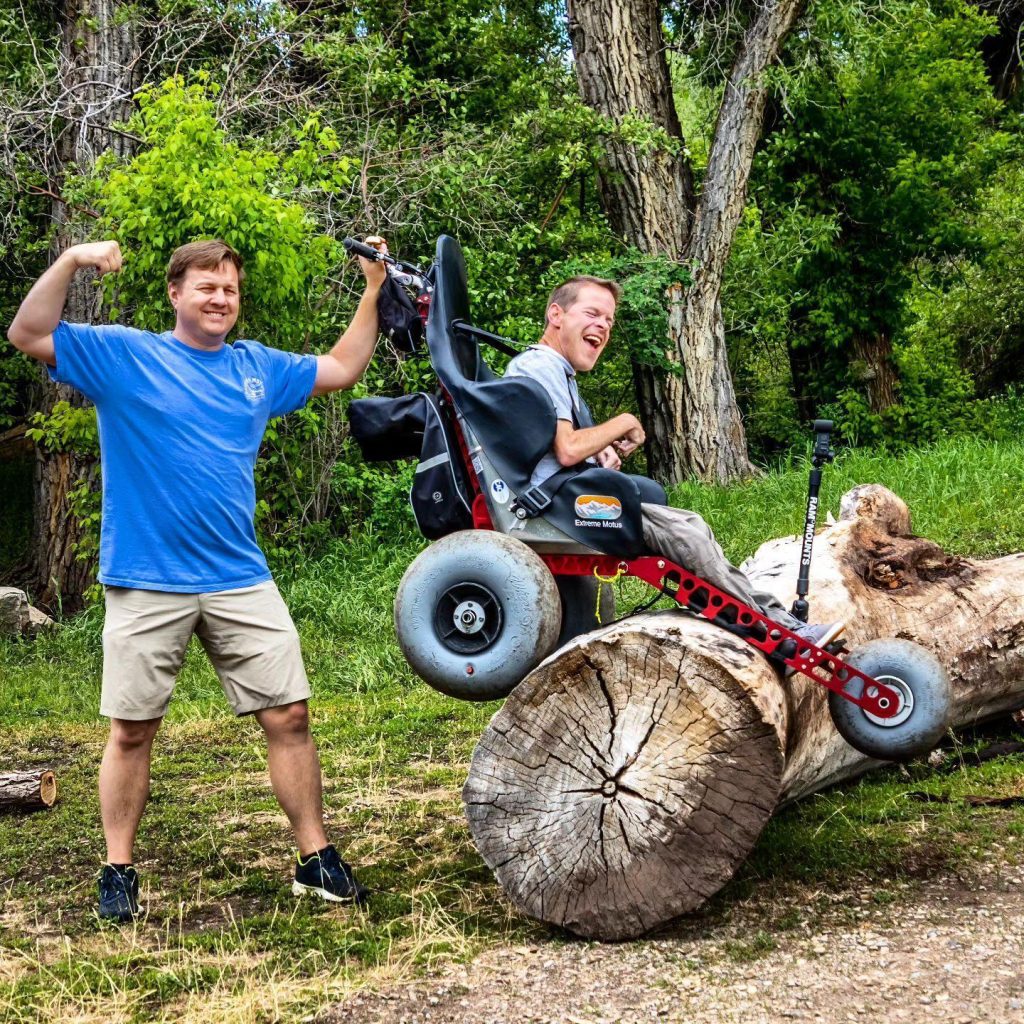
Since 2019, Sam and Ryan have been demonstrating that nature is wheelchair accessible with the Extreme Motus All Terrain Wheelchair. From National Parks to Skateparks, their adventures prove that a manual off-road wheelchair can offer laughter and joy while navigating diverse terrains.
Join us as we continue to share these inspiring journeys.
Discover Freedom with the Extreme Motus All Terrain Wheelchair
Light, comfortable, and compact, the Extreme Motus glides over sand, rocks, grass, gravel, and even floats in water.
It's more than a outdoor wheelchair; it's your ticket to freedom. Embrace the outdoors with confidence, knowing our off-road wheelchair is engineered for durability and ease of use.
Be the first to hear about new gear, upcoming adventures, and exclusive offers. As a welcome gift, you'll get a $100 coupon toward the Motus All-Terrain Wheelchair — delivered straight to your inbox.
By subscribing you agree to receive marketing communications from Extreme Motus, including product updates, promotions, and special offers. I understand I can unsubscribe at any time.