

Key trails for wheelchairs:
- Rim Trail: Flat, panoramic, long—you can go as far as you want.
- Queen’s Garden: 1.8 miles, easy-to-moderate, right among the hoodoos.
- Navajo Loop: 1.5 miles but steeper—doable with strong pushers.
Pro tip: Bryce is an International Dark Sky Park. Stay after sunset if you can. The Milky Way is incredible.
Goblin Valley State Park, Utah
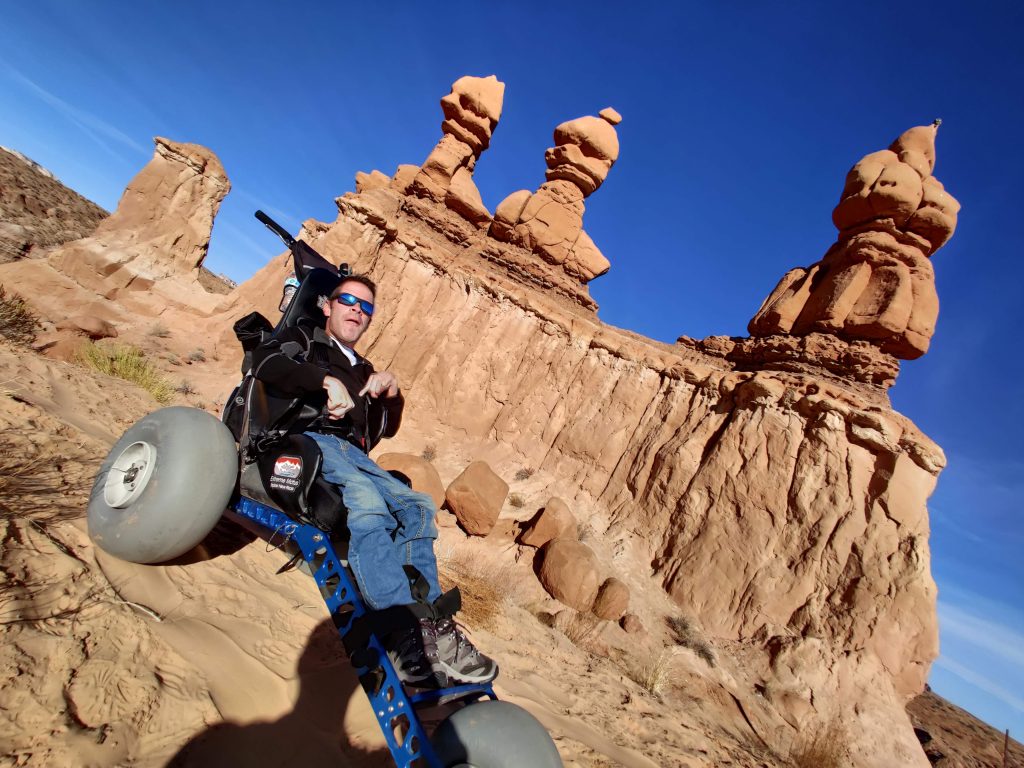
Goblin Valley is our favorite. It’s a place where you can just… roam. Thousands of hoodoos shaped like goblins, mushrooms, otherworldly sculptures. Unlike most parks, you’re allowed to climb and play among the formations. Sam spent hours exploring, and I realized something important: accessibility isn’t just about getting to a scenic overlook. It’s about freedom to wander, to discover, to play. Goblin Valley delivers that.
Activities:
- Exploring the goblins (no strict trails—just wander).
- Goblin’s Lair hike (3 miles, leads to a cavern-like opening).
- Stargazing—it’s a Dark Sky Park with stunning night skies.
- Camping with yurt and RV options.
Why it’s perfect for wheelchairs: The terrain is gentle, the goblins are low enough to explore from a wheelchair, and the whole vibe is playful rather than formally managed. You feel like a kid again.
Why These Places Matter
Nature isn’t optional for people with disabilities. It’s a human need. Time outside improves mental health, builds confidence, and reminds you that you’re capable of more than you thought. The Motus didn’t make me walk. But it made me live.
The wheelchair industry sells you a lot of hype. This chair just works. Big tires. Light enough to push. Built to last. That’s the whole pitch, and it’s enough.
FAQ: All-Terrain Wheelchair Adventures in Utah
Can I really wheelchair-hike the Narrows with a standard all-terrain chair?
Yes. The key is low-pressure balloon tires—they float and give traction in water. The Motus handles it easily. You’ll need sturdy water shoes and someone who can guide you through the deep sections, but it’s absolutely doable.
Is Delicate Arch wheelchair accessible?
The hike is challenging but possible with a good all-terrain wheelchair and experienced pushers. The first mile is manageable. The slickrock and final stretch require strength and confidence. It’s not “easy,” but it’s not impossible either. If you’re asking if you can roll up to the arch from your car: no. But if you’re willing to hike it, yes.
What’s the best all-terrain wheelchair for Utah hiking?
We use the Extreme Motus, and it’s proven itself on every terrain we’ve thrown at it. Wide low-pressure tires, folds for transport, floats, and handles sand, snow, rocks, and water. There are other good options (GRIT Freedom Chair, AdvenChair, sherpa chairs), but for versatility and weight, the Motus is hard to beat.
Do I need a caregiver to use an all-terrain chair?
Most manual all-terrain chairs need at least one person pushing—more on technical terrain. Some chairs (like the GRIT) are self-propelled with a lever system if you have upper-body strength. Powered chairs exist but are much heavier and don’t access narrow trails well. For our adventures, one caregiver works fine on easy trails, two on harder ones.
Will my insurance cover an all-terrain wheelchair?
Rarely. Most insurance treats these as recreational equipment, not medical devices. But grants exist—many nonprofits fund all-terrain wheelchairs. It’s worth asking your local disability organizations, state parks systems, and foundations that support outdoor access. We found funding that way.
What time of year should I visit Utah parks?
Late September through November and February through April are gold. Fall has perfect weather and fewer crowds. Spring can bring biting gnats at lower elevations (bring a head net). Summer is hot. Winter is cold but stunning if you layer up. Avoid monsoon season (mid-summer) at Zion due to flash flood risk.
Get Out There
If you’re sitting at home thinking, “I could never do that anymore,” I get it. I was there. But I’m telling you: the right equipment and the right mindset change everything. Utah’s parks are waiting. Sam and I will be back next spring. I hope you will too.
Ryan Grassley
ryan@extrememotus.com
What to Bring: Water (lots of it), sturdy shoes with grip, start early to avoid heat and crowds. Sunrise or late afternoon is your window.
Bryce Canyon National Park, Utah
Bryce Canyon is where the Motus really shines. The trails are wide. The views are insane. Thousands of hoodoos—those tall, thin spires of rock—glow orange and red at sunrise. It’s like standing on another planet. We hiked the Rim Trail, which is relatively flat, then explored sections of the Navajo Loop. For families and groups, this is it.
Key trails for wheelchairs:
- Rim Trail: Flat, panoramic, long—you can go as far as you want.
- Queen’s Garden: 1.8 miles, easy-to-moderate, right among the hoodoos.
- Navajo Loop: 1.5 miles but steeper—doable with strong pushers.
Pro tip: Bryce is an International Dark Sky Park. Stay after sunset if you can. The Milky Way is incredible.
Goblin Valley State Park, Utah
Goblin Valley is our favorite. It’s a place where you can just… roam. Thousands of hoodoos shaped like goblins, mushrooms, otherworldly sculptures. Unlike most parks, you’re allowed to climb and play among the formations. Sam spent hours exploring, and I realized something important: accessibility isn’t just about getting to a scenic overlook. It’s about freedom to wander, to discover, to play. Goblin Valley delivers that.
Activities:
- Exploring the goblins (no strict trails—just wander).
- Goblin’s Lair hike (3 miles, leads to a cavern-like opening).
- Stargazing—it’s a Dark Sky Park with stunning night skies.
- Camping with yurt and RV options.
Why it’s perfect for wheelchairs: The terrain is gentle, the goblins are low enough to explore from a wheelchair, and the whole vibe is playful rather than formally managed. You feel like a kid again.
Why These Places Matter
Nature isn’t optional for people with disabilities. It’s a human need. Time outside improves mental health, builds confidence, and reminds you that you’re capable of more than you thought. The Motus didn’t make me walk. But it made me live.
The wheelchair industry sells you a lot of hype. This chair just works. Big tires. Light enough to push. Built to last. That’s the whole pitch, and it’s enough.
FAQ: All-Terrain Wheelchair Adventures in Utah
Can I really wheelchair-hike the Narrows with a standard all-terrain chair?
Yes. The key is low-pressure balloon tires—they float and give traction in water. The Motus handles it easily. You’ll need sturdy water shoes and someone who can guide you through the deep sections, but it’s absolutely doable.
Is Delicate Arch wheelchair accessible?
The hike is challenging but possible with a good all-terrain wheelchair and experienced pushers. The first mile is manageable. The slickrock and final stretch require strength and confidence. It’s not “easy,” but it’s not impossible either. If you’re asking if you can roll up to the arch from your car: no. But if you’re willing to hike it, yes.
What’s the best all-terrain wheelchair for Utah hiking?
We use the Extreme Motus, and it’s proven itself on every terrain we’ve thrown at it. Wide low-pressure tires, folds for transport, floats, and handles sand, snow, rocks, and water. There are other good options (GRIT Freedom Chair, AdvenChair, sherpa chairs), but for versatility and weight, the Motus is hard to beat.
Do I need a caregiver to use an all-terrain chair?
Most manual all-terrain chairs need at least one person pushing—more on technical terrain. Some chairs (like the GRIT) are self-propelled with a lever system if you have upper-body strength. Powered chairs exist but are much heavier and don’t access narrow trails well. For our adventures, one caregiver works fine on easy trails, two on harder ones.
Will my insurance cover an all-terrain wheelchair?
Rarely. Most insurance treats these as recreational equipment, not medical devices. But grants exist—many nonprofits fund all-terrain wheelchairs. It’s worth asking your local disability organizations, state parks systems, and foundations that support outdoor access. We found funding that way.
What time of year should I visit Utah parks?
Late September through November and February through April are gold. Fall has perfect weather and fewer crowds. Spring can bring biting gnats at lower elevations (bring a head net). Summer is hot. Winter is cold but stunning if you layer up. Avoid monsoon season (mid-summer) at Zion due to flash flood risk.
Get Out There
If you’re sitting at home thinking, “I could never do that anymore,” I get it. I was there. But I’m telling you: the right equipment and the right mindset change everything. Utah’s parks are waiting. Sam and I will be back next spring. I hope you will too.
Ryan Grassley
ryan@extrememotus.com
Trail Details:
- Length: Short out-and-back to 16 miles top-to-bottom.
- Difficulty: Moderate to strenuous, depending on water levels.
- Terrain: Walking in the Virgin River—ankle to chest-deep, seasonal.
- Starting Points: Bottom-up from Temple of Sinawava (no permit) or top-down from Chamberlain’s Ranch (permit required, often overnight).
Seasonal Tips:
- Best time: Late spring to early fall.
- Monsoon warning: Mid-summer flash floods are real—check conditions before you go.
- Cold water: Winter requires a dry suit or serious neoprene.
Arches National Park – Delicate Arch, Utah
Delicate Arch is the poster child of Utah hiking. 46 feet tall, framing the La Sal Mountains behind it. The hike is 3 miles round trip, with a 480-foot elevation gain and a mandatory slickrock section that’ll test you. We showed up with the Motus and did it. The first mile is firm. The middle section is exposed slickrock—you’ll feel every push. The last stretch narrows and gets technical. But if you’ve got someone who knows how to handle a chair and you’re willing to push hard, it’s doable and unforgettable.
What to Bring: Water (lots of it), sturdy shoes with grip, start early to avoid heat and crowds. Sunrise or late afternoon is your window.
Bryce Canyon National Park, Utah
Bryce Canyon is where the Motus really shines. The trails are wide. The views are insane. Thousands of hoodoos—those tall, thin spires of rock—glow orange and red at sunrise. It’s like standing on another planet. We hiked the Rim Trail, which is relatively flat, then explored sections of the Navajo Loop. For families and groups, this is it.
Key trails for wheelchairs:
- Rim Trail: Flat, panoramic, long—you can go as far as you want.
- Queen’s Garden: 1.8 miles, easy-to-moderate, right among the hoodoos.
- Navajo Loop: 1.5 miles but steeper—doable with strong pushers.
Pro tip: Bryce is an International Dark Sky Park. Stay after sunset if you can. The Milky Way is incredible.
Goblin Valley State Park, Utah
Goblin Valley is our favorite. It’s a place where you can just… roam. Thousands of hoodoos shaped like goblins, mushrooms, otherworldly sculptures. Unlike most parks, you’re allowed to climb and play among the formations. Sam spent hours exploring, and I realized something important: accessibility isn’t just about getting to a scenic overlook. It’s about freedom to wander, to discover, to play. Goblin Valley delivers that.
Activities:
- Exploring the goblins (no strict trails—just wander).
- Goblin’s Lair hike (3 miles, leads to a cavern-like opening).
- Stargazing—it’s a Dark Sky Park with stunning night skies.
- Camping with yurt and RV options.
Why it’s perfect for wheelchairs: The terrain is gentle, the goblins are low enough to explore from a wheelchair, and the whole vibe is playful rather than formally managed. You feel like a kid again.
Why These Places Matter
Nature isn’t optional for people with disabilities. It’s a human need. Time outside improves mental health, builds confidence, and reminds you that you’re capable of more than you thought. The Motus didn’t make me walk. But it made me live.
The wheelchair industry sells you a lot of hype. This chair just works. Big tires. Light enough to push. Built to last. That’s the whole pitch, and it’s enough.
FAQ: All-Terrain Wheelchair Adventures in Utah
Can I really wheelchair-hike the Narrows with a standard all-terrain chair?
Yes. The key is low-pressure balloon tires—they float and give traction in water. The Motus handles it easily. You’ll need sturdy water shoes and someone who can guide you through the deep sections, but it’s absolutely doable.
Is Delicate Arch wheelchair accessible?
The hike is challenging but possible with a good all-terrain wheelchair and experienced pushers. The first mile is manageable. The slickrock and final stretch require strength and confidence. It’s not “easy,” but it’s not impossible either. If you’re asking if you can roll up to the arch from your car: no. But if you’re willing to hike it, yes.
What’s the best all-terrain wheelchair for Utah hiking?
We use the Extreme Motus, and it’s proven itself on every terrain we’ve thrown at it. Wide low-pressure tires, folds for transport, floats, and handles sand, snow, rocks, and water. There are other good options (GRIT Freedom Chair, AdvenChair, sherpa chairs), but for versatility and weight, the Motus is hard to beat.
Do I need a caregiver to use an all-terrain chair?
Most manual all-terrain chairs need at least one person pushing—more on technical terrain. Some chairs (like the GRIT) are self-propelled with a lever system if you have upper-body strength. Powered chairs exist but are much heavier and don’t access narrow trails well. For our adventures, one caregiver works fine on easy trails, two on harder ones.
Will my insurance cover an all-terrain wheelchair?
Rarely. Most insurance treats these as recreational equipment, not medical devices. But grants exist—many nonprofits fund all-terrain wheelchairs. It’s worth asking your local disability organizations, state parks systems, and foundations that support outdoor access. We found funding that way.
What time of year should I visit Utah parks?
Late September through November and February through April are gold. Fall has perfect weather and fewer crowds. Spring can bring biting gnats at lower elevations (bring a head net). Summer is hot. Winter is cold but stunning if you layer up. Avoid monsoon season (mid-summer) at Zion due to flash flood risk.
Get Out There
If you’re sitting at home thinking, “I could never do that anymore,” I get it. I was there. But I’m telling you: the right equipment and the right mindset change everything. Utah’s parks are waiting. Sam and I will be back next spring. I hope you will too.
Ryan Grassley
ryan@extrememotus.com
Sam and I have been on so many great adventures in our all-terrain wheelchair. Over the past few years, we’ve visited some of Utah’s most incredible places—Zion, Arches, Bryce, Goblin Valley, and more. Each trip taught me something new about what’s possible when you have the right gear and the right attitude. I wanted to share a few of our favorites with you, because if you’re thinking about trying an all-terrain chair but aren’t sure where to start, these places are gold.
Quick answer: Our top spots to explore with an all-terrain wheelchair: The Narrows at Zion (water hiking), Delicate Arch at Arches (iconic slickrock hike), Bryce Canyon (wide trails, stunning hoodoos), and Goblin Valley (play among the rock formations). Each proved that the right wheelchair opens doors—literally—that felt closed before.
Everyone Deserves a Trail to Explore
For years, I watched friends hike and camp without me. I thought that part of my life was over. Then I got the Extreme Motus, and everything changed. Not because it’s some magic cure—it’s not. But because it’s built right. Big low-pressure tires. Light enough to push. Tough enough to handle rocks, sand, water, and snow. That’s the whole deal.
Zion National Park – The Narrows, Utah
The Narrows might be the wildest hike we’ve ever done in a wheelchair. You’re walking through the Virgin River, with canyon walls towering above you, and yeah—it gets hot. But here’s the secret: you’re in a river. Lay down, cool off, keep going. When we came through with the Motus, people stopped and stared. “A wheelchair? In the water?” Yeah. The balloon tires float. The lightweight frame means you’re not fighting dead weight in the current.
Trail Details:
- Length: Short out-and-back to 16 miles top-to-bottom.
- Difficulty: Moderate to strenuous, depending on water levels.
- Terrain: Walking in the Virgin River—ankle to chest-deep, seasonal.
- Starting Points: Bottom-up from Temple of Sinawava (no permit) or top-down from Chamberlain’s Ranch (permit required, often overnight).
Seasonal Tips:
- Best time: Late spring to early fall.
- Monsoon warning: Mid-summer flash floods are real—check conditions before you go.
- Cold water: Winter requires a dry suit or serious neoprene.
Arches National Park – Delicate Arch, Utah
Delicate Arch is the poster child of Utah hiking. 46 feet tall, framing the La Sal Mountains behind it. The hike is 3 miles round trip, with a 480-foot elevation gain and a mandatory slickrock section that’ll test you. We showed up with the Motus and did it. The first mile is firm. The middle section is exposed slickrock—you’ll feel every push. The last stretch narrows and gets technical. But if you’ve got someone who knows how to handle a chair and you’re willing to push hard, it’s doable and unforgettable.
What to Bring: Water (lots of it), sturdy shoes with grip, start early to avoid heat and crowds. Sunrise or late afternoon is your window.
Bryce Canyon National Park, Utah
Bryce Canyon is where the Motus really shines. The trails are wide. The views are insane. Thousands of hoodoos—those tall, thin spires of rock—glow orange and red at sunrise. It’s like standing on another planet. We hiked the Rim Trail, which is relatively flat, then explored sections of the Navajo Loop. For families and groups, this is it.
Key trails for wheelchairs:
- Rim Trail: Flat, panoramic, long—you can go as far as you want.
- Queen’s Garden: 1.8 miles, easy-to-moderate, right among the hoodoos.
- Navajo Loop: 1.5 miles but steeper—doable with strong pushers.
Pro tip: Bryce is an International Dark Sky Park. Stay after sunset if you can. The Milky Way is incredible.
Goblin Valley State Park, Utah
Goblin Valley is our favorite. It’s a place where you can just… roam. Thousands of hoodoos shaped like goblins, mushrooms, otherworldly sculptures. Unlike most parks, you’re allowed to climb and play among the formations. Sam spent hours exploring, and I realized something important: accessibility isn’t just about getting to a scenic overlook. It’s about freedom to wander, to discover, to play. Goblin Valley delivers that.
Activities:
- Exploring the goblins (no strict trails—just wander).
- Goblin’s Lair hike (3 miles, leads to a cavern-like opening).
- Stargazing—it’s a Dark Sky Park with stunning night skies.
- Camping with yurt and RV options.
Why it’s perfect for wheelchairs: The terrain is gentle, the goblins are low enough to explore from a wheelchair, and the whole vibe is playful rather than formally managed. You feel like a kid again.
Why These Places Matter
Nature isn’t optional for people with disabilities. It’s a human need. Time outside improves mental health, builds confidence, and reminds you that you’re capable of more than you thought. The Motus didn’t make me walk. But it made me live.
The wheelchair industry sells you a lot of hype. This chair just works. Big tires. Light enough to push. Built to last. That’s the whole pitch, and it’s enough.
FAQ: All-Terrain Wheelchair Adventures in Utah
Can I really wheelchair-hike the Narrows with a standard all-terrain chair?
Yes. The key is low-pressure balloon tires—they float and give traction in water. The Motus handles it easily. You’ll need sturdy water shoes and someone who can guide you through the deep sections, but it’s absolutely doable.
Is Delicate Arch wheelchair accessible?
The hike is challenging but possible with a good all-terrain wheelchair and experienced pushers. The first mile is manageable. The slickrock and final stretch require strength and confidence. It’s not “easy,” but it’s not impossible either. If you’re asking if you can roll up to the arch from your car: no. But if you’re willing to hike it, yes.
What’s the best all-terrain wheelchair for Utah hiking?
We use the Extreme Motus, and it’s proven itself on every terrain we’ve thrown at it. Wide low-pressure tires, folds for transport, floats, and handles sand, snow, rocks, and water. There are other good options (GRIT Freedom Chair, AdvenChair, sherpa chairs), but for versatility and weight, the Motus is hard to beat.
Do I need a caregiver to use an all-terrain chair?
Most manual all-terrain chairs need at least one person pushing—more on technical terrain. Some chairs (like the GRIT) are self-propelled with a lever system if you have upper-body strength. Powered chairs exist but are much heavier and don’t access narrow trails well. For our adventures, one caregiver works fine on easy trails, two on harder ones.
Will my insurance cover an all-terrain wheelchair?
Rarely. Most insurance treats these as recreational equipment, not medical devices. But grants exist—many nonprofits fund all-terrain wheelchairs. It’s worth asking your local disability organizations, state parks systems, and foundations that support outdoor access. We found funding that way.
What time of year should I visit Utah parks?
Late September through November and February through April are gold. Fall has perfect weather and fewer crowds. Spring can bring biting gnats at lower elevations (bring a head net). Summer is hot. Winter is cold but stunning if you layer up. Avoid monsoon season (mid-summer) at Zion due to flash flood risk.
Get Out There
If you’re sitting at home thinking, “I could never do that anymore,” I get it. I was there. But I’m telling you: the right equipment and the right mindset change everything. Utah’s parks are waiting. Sam and I will be back next spring. I hope you will too.
Ryan Grassley
ryan@extrememotus.com
What to Bring: Water (lots of it), sturdy shoes with grip, start early to avoid heat and crowds. Sunrise or late afternoon is your window.
Bryce Canyon National Park, Utah
Bryce Canyon is where the Motus really shines. The trails are wide. The views are insane. Thousands of hoodoos—those tall, thin spires of rock—glow orange and red at sunrise. It’s like standing on another planet. We hiked the Rim Trail, which is relatively flat, then explored sections of the Navajo Loop. For families and groups, this is it.
Key trails for wheelchairs:
- Rim Trail: Flat, panoramic, long—you can go as far as you want.
- Queen’s Garden: 1.8 miles, easy-to-moderate, right among the hoodoos.
- Navajo Loop: 1.5 miles but steeper—doable with strong pushers.
Pro tip: Bryce is an International Dark Sky Park. Stay after sunset if you can. The Milky Way is incredible.
Goblin Valley State Park, Utah
Goblin Valley is our favorite. It’s a place where you can just… roam. Thousands of hoodoos shaped like goblins, mushrooms, otherworldly sculptures. Unlike most parks, you’re allowed to climb and play among the formations. Sam spent hours exploring, and I realized something important: accessibility isn’t just about getting to a scenic overlook. It’s about freedom to wander, to discover, to play. Goblin Valley delivers that.
Activities:
- Exploring the goblins (no strict trails—just wander).
- Goblin’s Lair hike (3 miles, leads to a cavern-like opening).
- Stargazing—it’s a Dark Sky Park with stunning night skies.
- Camping with yurt and RV options.
Why it’s perfect for wheelchairs: The terrain is gentle, the goblins are low enough to explore from a wheelchair, and the whole vibe is playful rather than formally managed. You feel like a kid again.
Why These Places Matter
Nature isn’t optional for people with disabilities. It’s a human need. Time outside improves mental health, builds confidence, and reminds you that you’re capable of more than you thought. The Motus didn’t make me walk. But it made me live.
The wheelchair industry sells you a lot of hype. This chair just works. Big tires. Light enough to push. Built to last. That’s the whole pitch, and it’s enough.
FAQ: All-Terrain Wheelchair Adventures in Utah
Can I really wheelchair-hike the Narrows with a standard all-terrain chair?
Yes. The key is low-pressure balloon tires—they float and give traction in water. The Motus handles it easily. You’ll need sturdy water shoes and someone who can guide you through the deep sections, but it’s absolutely doable.
Is Delicate Arch wheelchair accessible?
The hike is challenging but possible with a good all-terrain wheelchair and experienced pushers. The first mile is manageable. The slickrock and final stretch require strength and confidence. It’s not “easy,” but it’s not impossible either. If you’re asking if you can roll up to the arch from your car: no. But if you’re willing to hike it, yes.
What’s the best all-terrain wheelchair for Utah hiking?
We use the Extreme Motus, and it’s proven itself on every terrain we’ve thrown at it. Wide low-pressure tires, folds for transport, floats, and handles sand, snow, rocks, and water. There are other good options (GRIT Freedom Chair, AdvenChair, sherpa chairs), but for versatility and weight, the Motus is hard to beat.
Do I need a caregiver to use an all-terrain chair?
Most manual all-terrain chairs need at least one person pushing—more on technical terrain. Some chairs (like the GRIT) are self-propelled with a lever system if you have upper-body strength. Powered chairs exist but are much heavier and don’t access narrow trails well. For our adventures, one caregiver works fine on easy trails, two on harder ones.
Will my insurance cover an all-terrain wheelchair?
Rarely. Most insurance treats these as recreational equipment, not medical devices. But grants exist—many nonprofits fund all-terrain wheelchairs. It’s worth asking your local disability organizations, state parks systems, and foundations that support outdoor access. We found funding that way.
What time of year should I visit Utah parks?
Late September through November and February through April are gold. Fall has perfect weather and fewer crowds. Spring can bring biting gnats at lower elevations (bring a head net). Summer is hot. Winter is cold but stunning if you layer up. Avoid monsoon season (mid-summer) at Zion due to flash flood risk.
Get Out There
If you’re sitting at home thinking, “I could never do that anymore,” I get it. I was there. But I’m telling you: the right equipment and the right mindset change everything. Utah’s parks are waiting. Sam and I will be back next spring. I hope you will too.
Ryan Grassley
ryan@extrememotus.com
Sam and I have been on so many great adventures in our all-terrain wheelchair. Over the past few years, we’ve visited some of Utah’s most incredible places—Zion, Arches, Bryce, Goblin Valley, and more. Each trip taught me something new about what’s possible when you have the right gear and the right attitude. I wanted to share a few of our favorites with you, because if you’re thinking about trying an all-terrain chair but aren’t sure where to start, these places are gold.
Quick answer: Our top spots to explore with an all-terrain wheelchair: The Narrows at Zion (water hiking), Delicate Arch at Arches (iconic slickrock hike), Bryce Canyon (wide trails, stunning hoodoos), and Goblin Valley (play among the rock formations). Each proved that the right wheelchair opens doors—literally—that felt closed before.
Everyone Deserves a Trail to Explore
For years, I watched friends hike and camp without me. I thought that part of my life was over. Then I got the Extreme Motus, and everything changed. Not because it’s some magic cure—it’s not. But because it’s built right. Big low-pressure tires. Light enough to push. Tough enough to handle rocks, sand, water, and snow. That’s the whole deal.
Zion National Park – The Narrows, Utah
The Narrows might be the wildest hike we’ve ever done in a wheelchair. You’re walking through the Virgin River, with canyon walls towering above you, and yeah—it gets hot. But here’s the secret: you’re in a river. Lay down, cool off, keep going. When we came through with the Motus, people stopped and stared. “A wheelchair? In the water?” Yeah. The balloon tires float. The lightweight frame means you’re not fighting dead weight in the current.
Trail Details:
- Length: Short out-and-back to 16 miles top-to-bottom.
- Difficulty: Moderate to strenuous, depending on water levels.
- Terrain: Walking in the Virgin River—ankle to chest-deep, seasonal.
- Starting Points: Bottom-up from Temple of Sinawava (no permit) or top-down from Chamberlain’s Ranch (permit required, often overnight).
Seasonal Tips:
- Best time: Late spring to early fall.
- Monsoon warning: Mid-summer flash floods are real—check conditions before you go.
- Cold water: Winter requires a dry suit or serious neoprene.
Arches National Park – Delicate Arch, Utah
Delicate Arch is the poster child of Utah hiking. 46 feet tall, framing the La Sal Mountains behind it. The hike is 3 miles round trip, with a 480-foot elevation gain and a mandatory slickrock section that’ll test you. We showed up with the Motus and did it. The first mile is firm. The middle section is exposed slickrock—you’ll feel every push. The last stretch narrows and gets technical. But if you’ve got someone who knows how to handle a chair and you’re willing to push hard, it’s doable and unforgettable.
What to Bring: Water (lots of it), sturdy shoes with grip, start early to avoid heat and crowds. Sunrise or late afternoon is your window.
Bryce Canyon National Park, Utah
Bryce Canyon is where the Motus really shines. The trails are wide. The views are insane. Thousands of hoodoos—those tall, thin spires of rock—glow orange and red at sunrise. It’s like standing on another planet. We hiked the Rim Trail, which is relatively flat, then explored sections of the Navajo Loop. For families and groups, this is it.
Key trails for wheelchairs:
- Rim Trail: Flat, panoramic, long—you can go as far as you want.
- Queen’s Garden: 1.8 miles, easy-to-moderate, right among the hoodoos.
- Navajo Loop: 1.5 miles but steeper—doable with strong pushers.
Pro tip: Bryce is an International Dark Sky Park. Stay after sunset if you can. The Milky Way is incredible.
Goblin Valley State Park, Utah
Goblin Valley is our favorite. It’s a place where you can just… roam. Thousands of hoodoos shaped like goblins, mushrooms, otherworldly sculptures. Unlike most parks, you’re allowed to climb and play among the formations. Sam spent hours exploring, and I realized something important: accessibility isn’t just about getting to a scenic overlook. It’s about freedom to wander, to discover, to play. Goblin Valley delivers that.
Activities:
- Exploring the goblins (no strict trails—just wander).
- Goblin’s Lair hike (3 miles, leads to a cavern-like opening).
- Stargazing—it’s a Dark Sky Park with stunning night skies.
- Camping with yurt and RV options.
Why it’s perfect for wheelchairs: The terrain is gentle, the goblins are low enough to explore from a wheelchair, and the whole vibe is playful rather than formally managed. You feel like a kid again.
Why These Places Matter
Nature isn’t optional for people with disabilities. It’s a human need. Time outside improves mental health, builds confidence, and reminds you that you’re capable of more than you thought. The Motus didn’t make me walk. But it made me live.
The wheelchair industry sells you a lot of hype. This chair just works. Big tires. Light enough to push. Built to last. That’s the whole pitch, and it’s enough.
FAQ: All-Terrain Wheelchair Adventures in Utah
Can I really wheelchair-hike the Narrows with a standard all-terrain chair?
Yes. The key is low-pressure balloon tires—they float and give traction in water. The Motus handles it easily. You’ll need sturdy water shoes and someone who can guide you through the deep sections, but it’s absolutely doable.
Is Delicate Arch wheelchair accessible?
The hike is challenging but possible with a good all-terrain wheelchair and experienced pushers. The first mile is manageable. The slickrock and final stretch require strength and confidence. It’s not “easy,” but it’s not impossible either. If you’re asking if you can roll up to the arch from your car: no. But if you’re willing to hike it, yes.
What’s the best all-terrain wheelchair for Utah hiking?
We use the Extreme Motus, and it’s proven itself on every terrain we’ve thrown at it. Wide low-pressure tires, folds for transport, floats, and handles sand, snow, rocks, and water. There are other good options (GRIT Freedom Chair, AdvenChair, sherpa chairs), but for versatility and weight, the Motus is hard to beat.
Do I need a caregiver to use an all-terrain chair?
Most manual all-terrain chairs need at least one person pushing—more on technical terrain. Some chairs (like the GRIT) are self-propelled with a lever system if you have upper-body strength. Powered chairs exist but are much heavier and don’t access narrow trails well. For our adventures, one caregiver works fine on easy trails, two on harder ones.
Will my insurance cover an all-terrain wheelchair?
Rarely. Most insurance treats these as recreational equipment, not medical devices. But grants exist—many nonprofits fund all-terrain wheelchairs. It’s worth asking your local disability organizations, state parks systems, and foundations that support outdoor access. We found funding that way.
What time of year should I visit Utah parks?
Late September through November and February through April are gold. Fall has perfect weather and fewer crowds. Spring can bring biting gnats at lower elevations (bring a head net). Summer is hot. Winter is cold but stunning if you layer up. Avoid monsoon season (mid-summer) at Zion due to flash flood risk.
Get Out There
If you’re sitting at home thinking, “I could never do that anymore,” I get it. I was there. But I’m telling you: the right equipment and the right mindset change everything. Utah’s parks are waiting. Sam and I will be back next spring. I hope you will too.
Ryan Grassley
ryan@extrememotus.com
Trail Details:
- Length: Short out-and-back to 16 miles top-to-bottom.
- Difficulty: Moderate to strenuous, depending on water levels.
- Terrain: Walking in the Virgin River—ankle to chest-deep, seasonal.
- Starting Points: Bottom-up from Temple of Sinawava (no permit) or top-down from Chamberlain’s Ranch (permit required, often overnight).
Seasonal Tips:
- Best time: Late spring to early fall.
- Monsoon warning: Mid-summer flash floods are real—check conditions before you go.
- Cold water: Winter requires a dry suit or serious neoprene.
Arches National Park – Delicate Arch, Utah
Delicate Arch is the poster child of Utah hiking. 46 feet tall, framing the La Sal Mountains behind it. The hike is 3 miles round trip, with a 480-foot elevation gain and a mandatory slickrock section that’ll test you. We showed up with the Motus and did it. The first mile is firm. The middle section is exposed slickrock—you’ll feel every push. The last stretch narrows and gets technical. But if you’ve got someone who knows how to handle a chair and you’re willing to push hard, it’s doable and unforgettable.
What to Bring: Water (lots of it), sturdy shoes with grip, start early to avoid heat and crowds. Sunrise or late afternoon is your window.
Bryce Canyon National Park, Utah
Bryce Canyon is where the Motus really shines. The trails are wide. The views are insane. Thousands of hoodoos—those tall, thin spires of rock—glow orange and red at sunrise. It’s like standing on another planet. We hiked the Rim Trail, which is relatively flat, then explored sections of the Navajo Loop. For families and groups, this is it.
Key trails for wheelchairs:
- Rim Trail: Flat, panoramic, long—you can go as far as you want.
- Queen’s Garden: 1.8 miles, easy-to-moderate, right among the hoodoos.
- Navajo Loop: 1.5 miles but steeper—doable with strong pushers.
Pro tip: Bryce is an International Dark Sky Park. Stay after sunset if you can. The Milky Way is incredible.
Goblin Valley State Park, Utah
Goblin Valley is our favorite. It’s a place where you can just… roam. Thousands of hoodoos shaped like goblins, mushrooms, otherworldly sculptures. Unlike most parks, you’re allowed to climb and play among the formations. Sam spent hours exploring, and I realized something important: accessibility isn’t just about getting to a scenic overlook. It’s about freedom to wander, to discover, to play. Goblin Valley delivers that.
Activities:
- Exploring the goblins (no strict trails—just wander).
- Goblin’s Lair hike (3 miles, leads to a cavern-like opening).
- Stargazing—it’s a Dark Sky Park with stunning night skies.
- Camping with yurt and RV options.
Why it’s perfect for wheelchairs: The terrain is gentle, the goblins are low enough to explore from a wheelchair, and the whole vibe is playful rather than formally managed. You feel like a kid again.
Why These Places Matter
Nature isn’t optional for people with disabilities. It’s a human need. Time outside improves mental health, builds confidence, and reminds you that you’re capable of more than you thought. The Motus didn’t make me walk. But it made me live.
The wheelchair industry sells you a lot of hype. This chair just works. Big tires. Light enough to push. Built to last. That’s the whole pitch, and it’s enough.
FAQ: All-Terrain Wheelchair Adventures in Utah
Can I really wheelchair-hike the Narrows with a standard all-terrain chair?
Yes. The key is low-pressure balloon tires—they float and give traction in water. The Motus handles it easily. You’ll need sturdy water shoes and someone who can guide you through the deep sections, but it’s absolutely doable.
Is Delicate Arch wheelchair accessible?
The hike is challenging but possible with a good all-terrain wheelchair and experienced pushers. The first mile is manageable. The slickrock and final stretch require strength and confidence. It’s not “easy,” but it’s not impossible either. If you’re asking if you can roll up to the arch from your car: no. But if you’re willing to hike it, yes.
What’s the best all-terrain wheelchair for Utah hiking?
We use the Extreme Motus, and it’s proven itself on every terrain we’ve thrown at it. Wide low-pressure tires, folds for transport, floats, and handles sand, snow, rocks, and water. There are other good options (GRIT Freedom Chair, AdvenChair, sherpa chairs), but for versatility and weight, the Motus is hard to beat.
Do I need a caregiver to use an all-terrain chair?
Most manual all-terrain chairs need at least one person pushing—more on technical terrain. Some chairs (like the GRIT) are self-propelled with a lever system if you have upper-body strength. Powered chairs exist but are much heavier and don’t access narrow trails well. For our adventures, one caregiver works fine on easy trails, two on harder ones.
Will my insurance cover an all-terrain wheelchair?
Rarely. Most insurance treats these as recreational equipment, not medical devices. But grants exist—many nonprofits fund all-terrain wheelchairs. It’s worth asking your local disability organizations, state parks systems, and foundations that support outdoor access. We found funding that way.
What time of year should I visit Utah parks?
Late September through November and February through April are gold. Fall has perfect weather and fewer crowds. Spring can bring biting gnats at lower elevations (bring a head net). Summer is hot. Winter is cold but stunning if you layer up. Avoid monsoon season (mid-summer) at Zion due to flash flood risk.
Get Out There
If you’re sitting at home thinking, “I could never do that anymore,” I get it. I was there. But I’m telling you: the right equipment and the right mindset change everything. Utah’s parks are waiting. Sam and I will be back next spring. I hope you will too.
Ryan Grassley
ryan@extrememotus.com
Sam and I have been on so many great adventures in our all-terrain wheelchair. Over the past few years, we’ve visited some of Utah’s most incredible places—Zion, Arches, Bryce, Goblin Valley, and more. Each trip taught me something new about what’s possible when you have the right gear and the right attitude. I wanted to share a few of our favorites with you, because if you’re thinking about trying an all-terrain chair but aren’t sure where to start, these places are gold.
Quick answer: Our top spots to explore with an all-terrain wheelchair: The Narrows at Zion (water hiking), Delicate Arch at Arches (iconic slickrock hike), Bryce Canyon (wide trails, stunning hoodoos), and Goblin Valley (play among the rock formations). Each proved that the right wheelchair opens doors—literally—that felt closed before.
Everyone Deserves a Trail to Explore
For years, I watched friends hike and camp without me. I thought that part of my life was over. Then I got the Extreme Motus, and everything changed. Not because it’s some magic cure—it’s not. But because it’s built right. Big low-pressure tires. Light enough to push. Tough enough to handle rocks, sand, water, and snow. That’s the whole deal.
Zion National Park – The Narrows, Utah
The Narrows might be the wildest hike we’ve ever done in a wheelchair. You’re walking through the Virgin River, with canyon walls towering above you, and yeah—it gets hot. But here’s the secret: you’re in a river. Lay down, cool off, keep going. When we came through with the Motus, people stopped and stared. “A wheelchair? In the water?” Yeah. The balloon tires float. The lightweight frame means you’re not fighting dead weight in the current.
Trail Details:
- Length: Short out-and-back to 16 miles top-to-bottom.
- Difficulty: Moderate to strenuous, depending on water levels.
- Terrain: Walking in the Virgin River—ankle to chest-deep, seasonal.
- Starting Points: Bottom-up from Temple of Sinawava (no permit) or top-down from Chamberlain’s Ranch (permit required, often overnight).
Seasonal Tips:
- Best time: Late spring to early fall.
- Monsoon warning: Mid-summer flash floods are real—check conditions before you go.
- Cold water: Winter requires a dry suit or serious neoprene.
Arches National Park – Delicate Arch, Utah
Delicate Arch is the poster child of Utah hiking. 46 feet tall, framing the La Sal Mountains behind it. The hike is 3 miles round trip, with a 480-foot elevation gain and a mandatory slickrock section that’ll test you. We showed up with the Motus and did it. The first mile is firm. The middle section is exposed slickrock—you’ll feel every push. The last stretch narrows and gets technical. But if you’ve got someone who knows how to handle a chair and you’re willing to push hard, it’s doable and unforgettable.
What to Bring: Water (lots of it), sturdy shoes with grip, start early to avoid heat and crowds. Sunrise or late afternoon is your window.
Bryce Canyon National Park, Utah
Bryce Canyon is where the Motus really shines. The trails are wide. The views are insane. Thousands of hoodoos—those tall, thin spires of rock—glow orange and red at sunrise. It’s like standing on another planet. We hiked the Rim Trail, which is relatively flat, then explored sections of the Navajo Loop. For families and groups, this is it.
Key trails for wheelchairs:
- Rim Trail: Flat, panoramic, long—you can go as far as you want.
- Queen’s Garden: 1.8 miles, easy-to-moderate, right among the hoodoos.
- Navajo Loop: 1.5 miles but steeper—doable with strong pushers.
Pro tip: Bryce is an International Dark Sky Park. Stay after sunset if you can. The Milky Way is incredible.
Goblin Valley State Park, Utah
Goblin Valley is our favorite. It’s a place where you can just… roam. Thousands of hoodoos shaped like goblins, mushrooms, otherworldly sculptures. Unlike most parks, you’re allowed to climb and play among the formations. Sam spent hours exploring, and I realized something important: accessibility isn’t just about getting to a scenic overlook. It’s about freedom to wander, to discover, to play. Goblin Valley delivers that.
Activities:
- Exploring the goblins (no strict trails—just wander).
- Goblin’s Lair hike (3 miles, leads to a cavern-like opening).
- Stargazing—it’s a Dark Sky Park with stunning night skies.
- Camping with yurt and RV options.
Why it’s perfect for wheelchairs: The terrain is gentle, the goblins are low enough to explore from a wheelchair, and the whole vibe is playful rather than formally managed. You feel like a kid again.
Why These Places Matter
Nature isn’t optional for people with disabilities. It’s a human need. Time outside improves mental health, builds confidence, and reminds you that you’re capable of more than you thought. The Motus didn’t make me walk. But it made me live.
The wheelchair industry sells you a lot of hype. This chair just works. Big tires. Light enough to push. Built to last. That’s the whole pitch, and it’s enough.
FAQ: All-Terrain Wheelchair Adventures in Utah
Can I really wheelchair-hike the Narrows with a standard all-terrain chair?
Yes. The key is low-pressure balloon tires—they float and give traction in water. The Motus handles it easily. You’ll need sturdy water shoes and someone who can guide you through the deep sections, but it’s absolutely doable.
Is Delicate Arch wheelchair accessible?
The hike is challenging but possible with a good all-terrain wheelchair and experienced pushers. The first mile is manageable. The slickrock and final stretch require strength and confidence. It’s not “easy,” but it’s not impossible either. If you’re asking if you can roll up to the arch from your car: no. But if you’re willing to hike it, yes.
What’s the best all-terrain wheelchair for Utah hiking?
We use the Extreme Motus, and it’s proven itself on every terrain we’ve thrown at it. Wide low-pressure tires, folds for transport, floats, and handles sand, snow, rocks, and water. There are other good options (GRIT Freedom Chair, AdvenChair, sherpa chairs), but for versatility and weight, the Motus is hard to beat.
Do I need a caregiver to use an all-terrain chair?
Most manual all-terrain chairs need at least one person pushing—more on technical terrain. Some chairs (like the GRIT) are self-propelled with a lever system if you have upper-body strength. Powered chairs exist but are much heavier and don’t access narrow trails well. For our adventures, one caregiver works fine on easy trails, two on harder ones.
Will my insurance cover an all-terrain wheelchair?
Rarely. Most insurance treats these as recreational equipment, not medical devices. But grants exist—many nonprofits fund all-terrain wheelchairs. It’s worth asking your local disability organizations, state parks systems, and foundations that support outdoor access. We found funding that way.
What time of year should I visit Utah parks?
Late September through November and February through April are gold. Fall has perfect weather and fewer crowds. Spring can bring biting gnats at lower elevations (bring a head net). Summer is hot. Winter is cold but stunning if you layer up. Avoid monsoon season (mid-summer) at Zion due to flash flood risk.
Get Out There
If you’re sitting at home thinking, “I could never do that anymore,” I get it. I was there. But I’m telling you: the right equipment and the right mindset change everything. Utah’s parks are waiting. Sam and I will be back next spring. I hope you will too.
Ryan Grassley
ryan@extrememotus.com
What to Bring: Water (lots of it), sturdy shoes with grip, start early to avoid heat and crowds. Sunrise or late afternoon is your window.
Bryce Canyon National Park, Utah
Bryce Canyon is where the Motus really shines. The trails are wide. The views are insane. Thousands of hoodoos—those tall, thin spires of rock—glow orange and red at sunrise. It’s like standing on another planet. We hiked the Rim Trail, which is relatively flat, then explored sections of the Navajo Loop. For families and groups, this is it.
Key trails for wheelchairs:
- Rim Trail: Flat, panoramic, long—you can go as far as you want.
- Queen’s Garden: 1.8 miles, easy-to-moderate, right among the hoodoos.
- Navajo Loop: 1.5 miles but steeper—doable with strong pushers.
Pro tip: Bryce is an International Dark Sky Park. Stay after sunset if you can. The Milky Way is incredible.
Goblin Valley State Park, Utah
Goblin Valley is our favorite. It’s a place where you can just… roam. Thousands of hoodoos shaped like goblins, mushrooms, otherworldly sculptures. Unlike most parks, you’re allowed to climb and play among the formations. Sam spent hours exploring, and I realized something important: accessibility isn’t just about getting to a scenic overlook. It’s about freedom to wander, to discover, to play. Goblin Valley delivers that.
Activities:
- Exploring the goblins (no strict trails—just wander).
- Goblin’s Lair hike (3 miles, leads to a cavern-like opening).
- Stargazing—it’s a Dark Sky Park with stunning night skies.
- Camping with yurt and RV options.
Why it’s perfect for wheelchairs: The terrain is gentle, the goblins are low enough to explore from a wheelchair, and the whole vibe is playful rather than formally managed. You feel like a kid again.
Why These Places Matter
Nature isn’t optional for people with disabilities. It’s a human need. Time outside improves mental health, builds confidence, and reminds you that you’re capable of more than you thought. The Motus didn’t make me walk. But it made me live.
The wheelchair industry sells you a lot of hype. This chair just works. Big tires. Light enough to push. Built to last. That’s the whole pitch, and it’s enough.
FAQ: All-Terrain Wheelchair Adventures in Utah
Can I really wheelchair-hike the Narrows with a standard all-terrain chair?
Yes. The key is low-pressure balloon tires—they float and give traction in water. The Motus handles it easily. You’ll need sturdy water shoes and someone who can guide you through the deep sections, but it’s absolutely doable.
Is Delicate Arch wheelchair accessible?
The hike is challenging but possible with a good all-terrain wheelchair and experienced pushers. The first mile is manageable. The slickrock and final stretch require strength and confidence. It’s not “easy,” but it’s not impossible either. If you’re asking if you can roll up to the arch from your car: no. But if you’re willing to hike it, yes.
What’s the best all-terrain wheelchair for Utah hiking?
We use the Extreme Motus, and it’s proven itself on every terrain we’ve thrown at it. Wide low-pressure tires, folds for transport, floats, and handles sand, snow, rocks, and water. There are other good options (GRIT Freedom Chair, AdvenChair, sherpa chairs), but for versatility and weight, the Motus is hard to beat.
Do I need a caregiver to use an all-terrain chair?
Most manual all-terrain chairs need at least one person pushing—more on technical terrain. Some chairs (like the GRIT) are self-propelled with a lever system if you have upper-body strength. Powered chairs exist but are much heavier and don’t access narrow trails well. For our adventures, one caregiver works fine on easy trails, two on harder ones.
Will my insurance cover an all-terrain wheelchair?
Rarely. Most insurance treats these as recreational equipment, not medical devices. But grants exist—many nonprofits fund all-terrain wheelchairs. It’s worth asking your local disability organizations, state parks systems, and foundations that support outdoor access. We found funding that way.
What time of year should I visit Utah parks?
Late September through November and February through April are gold. Fall has perfect weather and fewer crowds. Spring can bring biting gnats at lower elevations (bring a head net). Summer is hot. Winter is cold but stunning if you layer up. Avoid monsoon season (mid-summer) at Zion due to flash flood risk.
Get Out There
If you’re sitting at home thinking, “I could never do that anymore,” I get it. I was there. But I’m telling you: the right equipment and the right mindset change everything. Utah’s parks are waiting. Sam and I will be back next spring. I hope you will too.
Ryan Grassley
ryan@extrememotus.com
Trail Details:
- Length: Short out-and-back to 16 miles top-to-bottom.
- Difficulty: Moderate to strenuous, depending on water levels.
- Terrain: Walking in the Virgin River—ankle to chest-deep, seasonal.
- Starting Points: Bottom-up from Temple of Sinawava (no permit) or top-down from Chamberlain’s Ranch (permit required, often overnight).
Seasonal Tips:
- Best time: Late spring to early fall.
- Monsoon warning: Mid-summer flash floods are real—check conditions before you go.
- Cold water: Winter requires a dry suit or serious neoprene.
Arches National Park – Delicate Arch, Utah
Delicate Arch is the poster child of Utah hiking. 46 feet tall, framing the La Sal Mountains behind it. The hike is 3 miles round trip, with a 480-foot elevation gain and a mandatory slickrock section that’ll test you. We showed up with the Motus and did it. The first mile is firm. The middle section is exposed slickrock—you’ll feel every push. The last stretch narrows and gets technical. But if you’ve got someone who knows how to handle a chair and you’re willing to push hard, it’s doable and unforgettable.
What to Bring: Water (lots of it), sturdy shoes with grip, start early to avoid heat and crowds. Sunrise or late afternoon is your window.
Bryce Canyon National Park, Utah
Bryce Canyon is where the Motus really shines. The trails are wide. The views are insane. Thousands of hoodoos—those tall, thin spires of rock—glow orange and red at sunrise. It’s like standing on another planet. We hiked the Rim Trail, which is relatively flat, then explored sections of the Navajo Loop. For families and groups, this is it.
Key trails for wheelchairs:
- Rim Trail: Flat, panoramic, long—you can go as far as you want.
- Queen’s Garden: 1.8 miles, easy-to-moderate, right among the hoodoos.
- Navajo Loop: 1.5 miles but steeper—doable with strong pushers.
Pro tip: Bryce is an International Dark Sky Park. Stay after sunset if you can. The Milky Way is incredible.
Goblin Valley State Park, Utah
Goblin Valley is our favorite. It’s a place where you can just… roam. Thousands of hoodoos shaped like goblins, mushrooms, otherworldly sculptures. Unlike most parks, you’re allowed to climb and play among the formations. Sam spent hours exploring, and I realized something important: accessibility isn’t just about getting to a scenic overlook. It’s about freedom to wander, to discover, to play. Goblin Valley delivers that.
Activities:
- Exploring the goblins (no strict trails—just wander).
- Goblin’s Lair hike (3 miles, leads to a cavern-like opening).
- Stargazing—it’s a Dark Sky Park with stunning night skies.
- Camping with yurt and RV options.
Why it’s perfect for wheelchairs: The terrain is gentle, the goblins are low enough to explore from a wheelchair, and the whole vibe is playful rather than formally managed. You feel like a kid again.
Why These Places Matter
Nature isn’t optional for people with disabilities. It’s a human need. Time outside improves mental health, builds confidence, and reminds you that you’re capable of more than you thought. The Motus didn’t make me walk. But it made me live.
The wheelchair industry sells you a lot of hype. This chair just works. Big tires. Light enough to push. Built to last. That’s the whole pitch, and it’s enough.
FAQ: All-Terrain Wheelchair Adventures in Utah
Can I really wheelchair-hike the Narrows with a standard all-terrain chair?
Yes. The key is low-pressure balloon tires—they float and give traction in water. The Motus handles it easily. You’ll need sturdy water shoes and someone who can guide you through the deep sections, but it’s absolutely doable.
Is Delicate Arch wheelchair accessible?
The hike is challenging but possible with a good all-terrain wheelchair and experienced pushers. The first mile is manageable. The slickrock and final stretch require strength and confidence. It’s not “easy,” but it’s not impossible either. If you’re asking if you can roll up to the arch from your car: no. But if you’re willing to hike it, yes.
What’s the best all-terrain wheelchair for Utah hiking?
We use the Extreme Motus, and it’s proven itself on every terrain we’ve thrown at it. Wide low-pressure tires, folds for transport, floats, and handles sand, snow, rocks, and water. There are other good options (GRIT Freedom Chair, AdvenChair, sherpa chairs), but for versatility and weight, the Motus is hard to beat.
Do I need a caregiver to use an all-terrain chair?
Most manual all-terrain chairs need at least one person pushing—more on technical terrain. Some chairs (like the GRIT) are self-propelled with a lever system if you have upper-body strength. Powered chairs exist but are much heavier and don’t access narrow trails well. For our adventures, one caregiver works fine on easy trails, two on harder ones.
Will my insurance cover an all-terrain wheelchair?
Rarely. Most insurance treats these as recreational equipment, not medical devices. But grants exist—many nonprofits fund all-terrain wheelchairs. It’s worth asking your local disability organizations, state parks systems, and foundations that support outdoor access. We found funding that way.
What time of year should I visit Utah parks?
Late September through November and February through April are gold. Fall has perfect weather and fewer crowds. Spring can bring biting gnats at lower elevations (bring a head net). Summer is hot. Winter is cold but stunning if you layer up. Avoid monsoon season (mid-summer) at Zion due to flash flood risk.
Get Out There
If you’re sitting at home thinking, “I could never do that anymore,” I get it. I was there. But I’m telling you: the right equipment and the right mindset change everything. Utah’s parks are waiting. Sam and I will be back next spring. I hope you will too.
Ryan Grassley
ryan@extrememotus.com
Sam and I have been on so many great adventures in our all-terrain wheelchair. Over the past few years, we’ve visited some of Utah’s most incredible places—Zion, Arches, Bryce, Goblin Valley, and more. Each trip taught me something new about what’s possible when you have the right gear and the right attitude. I wanted to share a few of our favorites with you, because if you’re thinking about trying an all-terrain chair but aren’t sure where to start, these places are gold.
Quick answer: Our top spots to explore with an all-terrain wheelchair: The Narrows at Zion (water hiking), Delicate Arch at Arches (iconic slickrock hike), Bryce Canyon (wide trails, stunning hoodoos), and Goblin Valley (play among the rock formations). Each proved that the right wheelchair opens doors—literally—that felt closed before.
Everyone Deserves a Trail to Explore
For years, I watched friends hike and camp without me. I thought that part of my life was over. Then I got the Extreme Motus, and everything changed. Not because it’s some magic cure—it’s not. But because it’s built right. Big low-pressure tires. Light enough to push. Tough enough to handle rocks, sand, water, and snow. That’s the whole deal.
Zion National Park – The Narrows, Utah
The Narrows might be the wildest hike we’ve ever done in a wheelchair. You’re walking through the Virgin River, with canyon walls towering above you, and yeah—it gets hot. But here’s the secret: you’re in a river. Lay down, cool off, keep going. When we came through with the Motus, people stopped and stared. “A wheelchair? In the water?” Yeah. The balloon tires float. The lightweight frame means you’re not fighting dead weight in the current.
Trail Details:
- Length: Short out-and-back to 16 miles top-to-bottom.
- Difficulty: Moderate to strenuous, depending on water levels.
- Terrain: Walking in the Virgin River—ankle to chest-deep, seasonal.
- Starting Points: Bottom-up from Temple of Sinawava (no permit) or top-down from Chamberlain’s Ranch (permit required, often overnight).
Seasonal Tips:
- Best time: Late spring to early fall.
- Monsoon warning: Mid-summer flash floods are real—check conditions before you go.
- Cold water: Winter requires a dry suit or serious neoprene.
Arches National Park – Delicate Arch, Utah
Delicate Arch is the poster child of Utah hiking. 46 feet tall, framing the La Sal Mountains behind it. The hike is 3 miles round trip, with a 480-foot elevation gain and a mandatory slickrock section that’ll test you. We showed up with the Motus and did it. The first mile is firm. The middle section is exposed slickrock—you’ll feel every push. The last stretch narrows and gets technical. But if you’ve got someone who knows how to handle a chair and you’re willing to push hard, it’s doable and unforgettable.
What to Bring: Water (lots of it), sturdy shoes with grip, start early to avoid heat and crowds. Sunrise or late afternoon is your window.
Bryce Canyon National Park, Utah
Bryce Canyon is where the Motus really shines. The trails are wide. The views are insane. Thousands of hoodoos—those tall, thin spires of rock—glow orange and red at sunrise. It’s like standing on another planet. We hiked the Rim Trail, which is relatively flat, then explored sections of the Navajo Loop. For families and groups, this is it.
Key trails for wheelchairs:
- Rim Trail: Flat, panoramic, long—you can go as far as you want.
- Queen’s Garden: 1.8 miles, easy-to-moderate, right among the hoodoos.
- Navajo Loop: 1.5 miles but steeper—doable with strong pushers.
Pro tip: Bryce is an International Dark Sky Park. Stay after sunset if you can. The Milky Way is incredible.
Goblin Valley State Park, Utah
Goblin Valley is our favorite. It’s a place where you can just… roam. Thousands of hoodoos shaped like goblins, mushrooms, otherworldly sculptures. Unlike most parks, you’re allowed to climb and play among the formations. Sam spent hours exploring, and I realized something important: accessibility isn’t just about getting to a scenic overlook. It’s about freedom to wander, to discover, to play. Goblin Valley delivers that.
Activities:
- Exploring the goblins (no strict trails—just wander).
- Goblin’s Lair hike (3 miles, leads to a cavern-like opening).
- Stargazing—it’s a Dark Sky Park with stunning night skies.
- Camping with yurt and RV options.
Why it’s perfect for wheelchairs: The terrain is gentle, the goblins are low enough to explore from a wheelchair, and the whole vibe is playful rather than formally managed. You feel like a kid again.
Why These Places Matter
Nature isn’t optional for people with disabilities. It’s a human need. Time outside improves mental health, builds confidence, and reminds you that you’re capable of more than you thought. The Motus didn’t make me walk. But it made me live.
The wheelchair industry sells you a lot of hype. This chair just works. Big tires. Light enough to push. Built to last. That’s the whole pitch, and it’s enough.
FAQ: All-Terrain Wheelchair Adventures in Utah
Can I really wheelchair-hike the Narrows with a standard all-terrain chair?
Yes. The key is low-pressure balloon tires—they float and give traction in water. The Motus handles it easily. You’ll need sturdy water shoes and someone who can guide you through the deep sections, but it’s absolutely doable.
Is Delicate Arch wheelchair accessible?
The hike is challenging but possible with a good all-terrain wheelchair and experienced pushers. The first mile is manageable. The slickrock and final stretch require strength and confidence. It’s not “easy,” but it’s not impossible either. If you’re asking if you can roll up to the arch from your car: no. But if you’re willing to hike it, yes.
What’s the best all-terrain wheelchair for Utah hiking?
We use the Extreme Motus, and it’s proven itself on every terrain we’ve thrown at it. Wide low-pressure tires, folds for transport, floats, and handles sand, snow, rocks, and water. There are other good options (GRIT Freedom Chair, AdvenChair, sherpa chairs), but for versatility and weight, the Motus is hard to beat.
Do I need a caregiver to use an all-terrain chair?
Most manual all-terrain chairs need at least one person pushing—more on technical terrain. Some chairs (like the GRIT) are self-propelled with a lever system if you have upper-body strength. Powered chairs exist but are much heavier and don’t access narrow trails well. For our adventures, one caregiver works fine on easy trails, two on harder ones.
Will my insurance cover an all-terrain wheelchair?
Rarely. Most insurance treats these as recreational equipment, not medical devices. But grants exist—many nonprofits fund all-terrain wheelchairs. It’s worth asking your local disability organizations, state parks systems, and foundations that support outdoor access. We found funding that way.
What time of year should I visit Utah parks?
Late September through November and February through April are gold. Fall has perfect weather and fewer crowds. Spring can bring biting gnats at lower elevations (bring a head net). Summer is hot. Winter is cold but stunning if you layer up. Avoid monsoon season (mid-summer) at Zion due to flash flood risk.
Get Out There
If you’re sitting at home thinking, “I could never do that anymore,” I get it. I was there. But I’m telling you: the right equipment and the right mindset change everything. Utah’s parks are waiting. Sam and I will be back next spring. I hope you will too.
Ryan Grassley
ryan@extrememotus.com
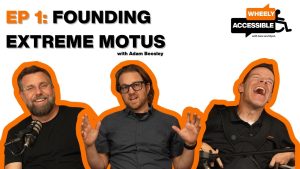
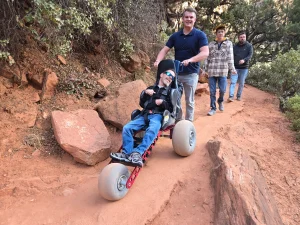
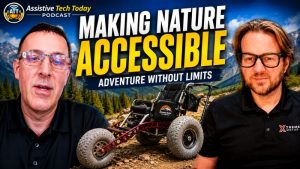
How it all started - Meet Sam & Ryan
Since 2019, Sam and Ryan have been demonstrating that nature is wheelchair accessible with the Extreme Motus All Terrain Wheelchair. From National Parks to Skateparks, their adventures prove that a manual off-road wheelchair can offer laughter and joy while navigating diverse terrains.
Join us as we continue to share these inspiring journeys.
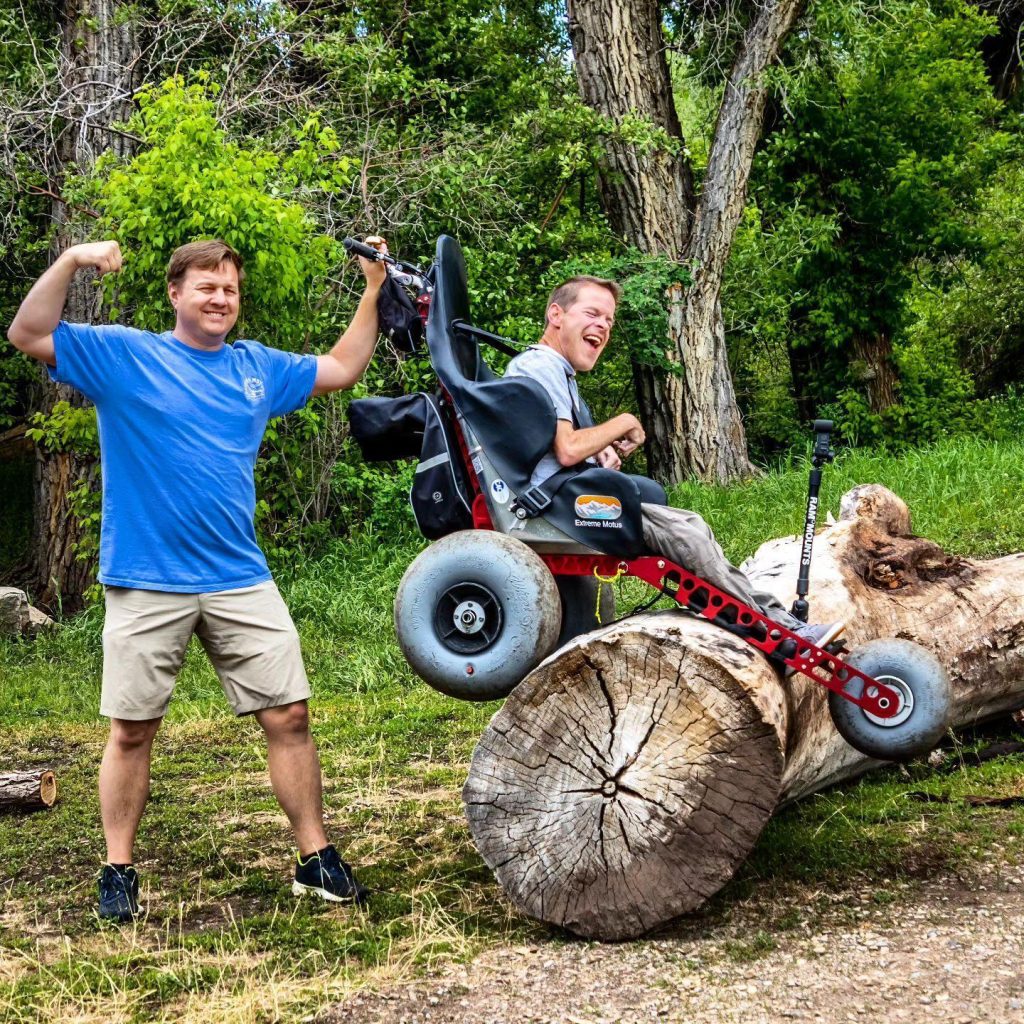
Discover Freedom with the Extreme Motus All Terrain Wheelchair
Light, comfortable, and compact, the Extreme Motus glides over sand, rocks, grass, gravel, and even floats in water.
It's more than a outdoor wheelchair; it's your ticket to freedom. Embrace the outdoors with confidence, knowing our off-road wheelchair is engineered for durability and ease of use.
Be the first to hear about new gear, upcoming adventures, and exclusive offers. As a welcome gift, you'll get a $100 coupon toward the Motus All-Terrain Wheelchair — delivered straight to your inbox.
By subscribing you agree to receive marketing communications from Extreme Motus, including product updates, promotions, and special offers. I understand I can unsubscribe at any time.